

Most gardeners know the three-number code on a fertilizer bag. Nitrogen, phosphorus, potassium – the familiar N-P-K trio that dominates both product labels and gardening advice. It’s a useful shorthand, but it tells only part of the story.
Beneath every productive garden lies a more complex chemistry. Plants draw on a wider cast of elements, many of them needed only in trace amounts, yet capable of shutting down growth entirely when they go missing. These are micronutrients, and understanding them can be the difference between a garden that thrives and one that quietly underperforms year after year.
What Exactly Are Micronutrients?
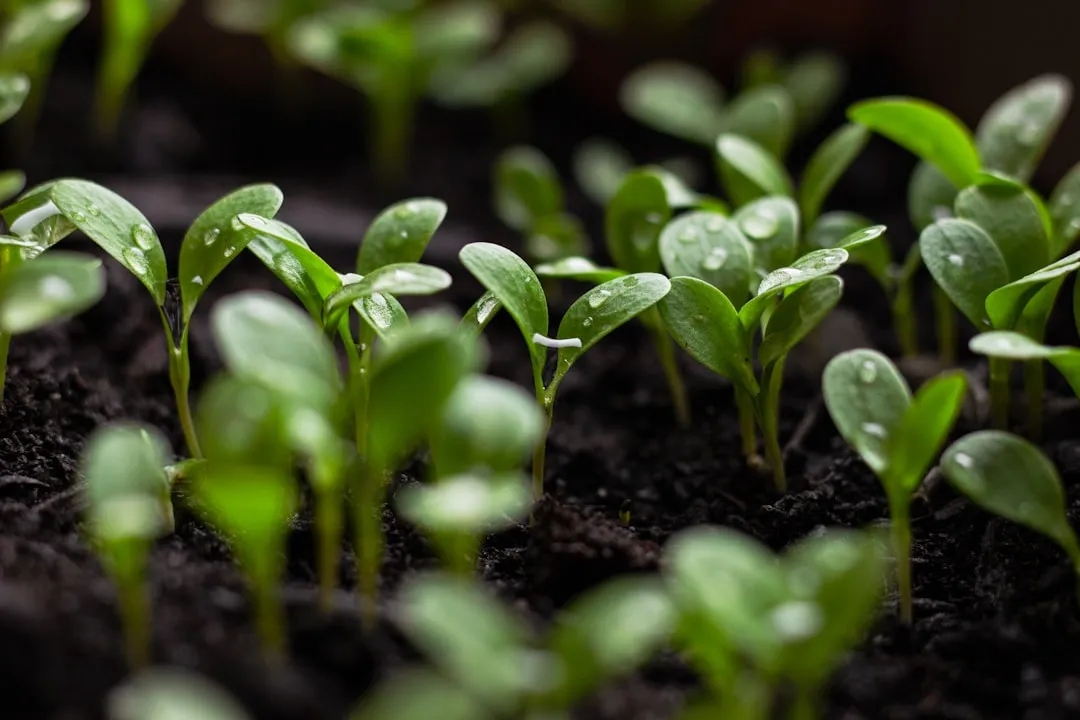
Micronutrients are the essential nutrients derived from the soil that plants need in small amounts. They include boron, chloride, copper, iron, manganese, molybdenum, nickel, and zinc. The word “micro” refers to the quantity required, not their importance. Plant micronutrients are required in quantities of 100 ppm or lower and play critical roles in various biochemical pathways and metabolic activities, with both deficiencies and excesses leading to adverse effects.
Despite this low requirement, critical plant functions can be limited if micronutrients are deficient, resulting in plant abnormalities, reduced growth, and lower yield. In such cases, expensive inputs like nitrogen and water may be wasted if yield potential is being limited by a micronutrient deficiency.
The Scale of the Problem: Deficiencies Are Widespread
Micronutrient deficiencies are common nutritional alterations of crops worldwide that must be prevented or treated to sustain yield rates and food nutritional quality. The numbers behind this are striking. Of the important agricultural soils of the world, roughly half are deficient in zinc, nearly a third are deficient in boron, fifteen percent are deficient in molybdenum, fourteen percent are deficient in copper, ten percent are deficient in manganese, and three percent are deficient in iron.
At a global scale, about one-third of arable soils are deficient in micronutrients, particularly in zinc, and this eventually affects human nutrition. Gardeners are not insulated from these trends. Soils everywhere, from suburban backyards to allotment plots, reflect wider patterns of mineral depletion.
Why Zinc Deserves Your Attention First

Zinc holds the highest market share among agricultural micronutrients due to widespread soil deficiencies and crop-specific requirements. Its importance to garden plants goes deep. Zinc is essential for the synthesis of growth hormones that regulate root development, facilitating better absorption of nutrients and water.
Zinc availability decreases sharply as soil pH increases beyond 7 because zinc forms insoluble compounds like zinc hydroxides or carbonates, and deficiency results in stunted growth and leaf discoloration. In gardens where soil has been heavily limed or where alkaline tap water is routinely used for irrigation, zinc shortfalls can emerge without any obvious cause.
Iron and the Puzzle of Chlorosis

Iron performs the function of a cofactor for enzymes of vital metabolic pathways, including photosynthesis and respiration. When plants lack iron, they often display a tell-tale yellowing between the leaf veins, a condition called interveinal chlorosis. In alkaline soils, iron tends to form insoluble hydroxides and carbonates, reducing its availability, and iron deficiency is common in high-pH soils, leading to chlorosis in susceptible crops.
Iron uptake can also be reduced by high bicarbonate concentration in the soil. This is why acid-loving plants like blueberries and rhododendrons are particularly prone to iron deficiency when grown in average garden conditions. Their preference for lower pH is closely tied to iron’s behavior in the soil solution.
Manganese and Copper: The Supporting Cast
Manganese serves as an activator for enzymes in plant growth processes and assists iron in chlorophyll formation. It also plays a broader role in plant resilience. Manganese is involved in photosynthesis, respiration, chloroplast formation, and the synthesis of some enzymes, as well as pollen germination, pollen tube growth, root cell elongation, and resistance to pests and diseases.
Copper is an essential micronutrient for plants that functions as a cofactor in numerous enzymes. Copper shows similar behavior to zinc, with decreased solubility at higher pH values, leading to deficiency symptoms such as twig dieback. Both manganese and copper tend to vanish from the plant-available pool in soils that are too alkaline, making pH management a key part of keeping them accessible.
Boron and Molybdenum: Small Amounts, Big Consequences
Boron is important in many plant processes, including protein synthesis, translocation of sugars and nutrients, respiration, and metabolism of plant hormones. More than ninety percent of plant boron is located in the cell walls, it is non-mobile in plants, and a continuous supply is needed throughout the growing season.
Molybdenum is unique because it becomes more available at higher pH values, unlike most other micronutrients. The molybdate ion is more soluble at high pH. Without molybdenum, plants cannot transform nitrate nitrogen to amino acids, and legumes cannot fix atmospheric nitrogen. For kitchen gardeners growing beans or peas, molybdenum availability is worth bearing in mind, particularly on very acidic plots.
How Soil pH Controls the Whole Picture
The availability of micronutrients such as iron, manganese, zinc, copper, and boron is strongly influenced by soil pH, and in acidic soils these micronutrients are more soluble and readily available. The reverse is also true. With the exception of molybdenum, micronutrient availability decreases as pH increases above 7.5.
Maintaining an optimal soil pH between 6.0 and 7.0 ensures maximum nutrient availability while minimizing toxicities. This single factor probably does more to determine micronutrient access in garden soils than any other variable. A soil test that includes pH is a straightforward starting point for any gardener trying to understand why plants are underperforming.
The Role of Organic Matter in Micronutrient Availability
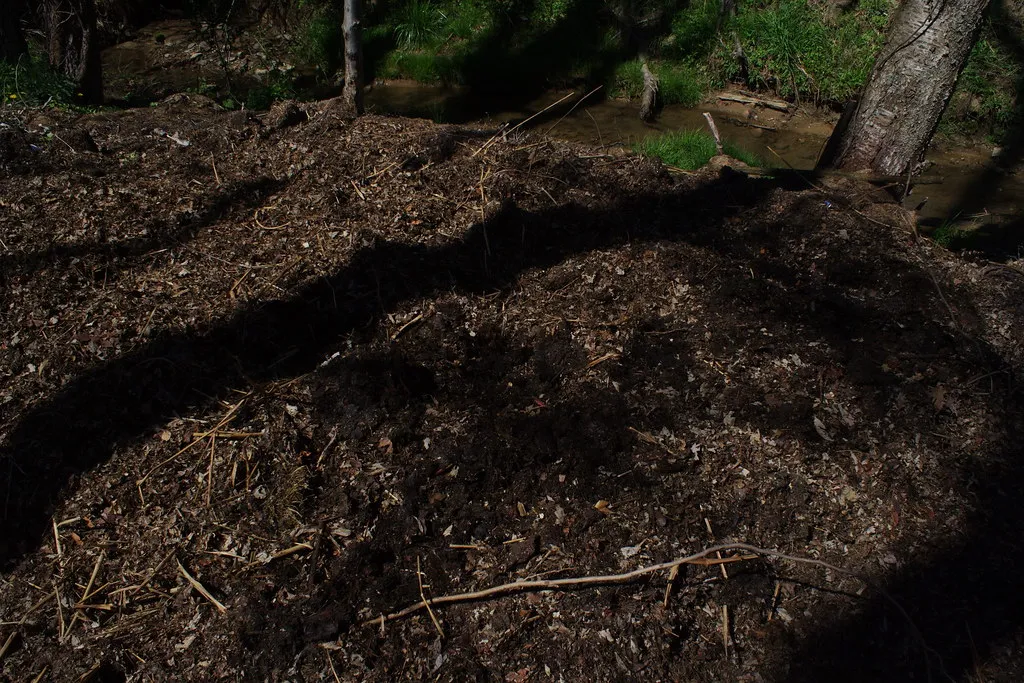
Soil organic matter and applied organic materials affect the availability of positively charged micronutrients through chelation, which is the formation of bonds of varying strength between a metallic ion and an organic molecule. Chelation often increases the solubility and availability of a nutrient and delays its reaction and tie-up with soil minerals.
Organic matter such as compost can be a source of macronutrients like nitrogen as well as micronutrients such as manganese and zinc. Research from a two-year field study found that significant increases in micronutrient levels were observed following the application of organic and biological treatments. Compared to the control group, iron content increased by more than half, zinc rose by over two-thirds, and manganese and copper also showed notable gains. These are meaningful improvements for any gardener relying on compost-based soil management.
Micronutrients and the Soil Microbial Community
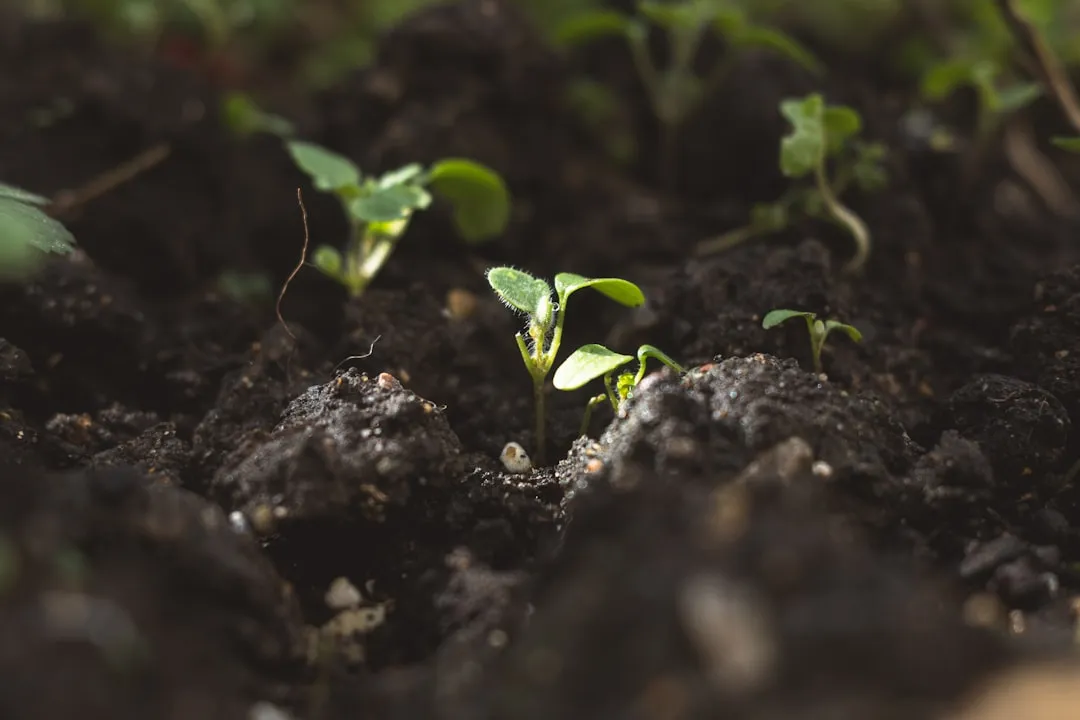
Micronutrients play a pivotal role in supporting the activity of soil microorganisms, which are essential for nutrient cycling and organic matter decomposition. The connection runs deeper than that. Research spanning 228 agricultural fields found that micronutrients explained more variation in the structure of microbial communities than macronutrients in maize soils.
Micronutrients, particularly iron and copper, explained a unique percentage of variation in the structure of microbial communities even after controlling for climate, soil physicochemical properties, and macronutrients, with these effects being stronger for fungi and protists than for bacteria. A soil that is starved of micronutrients is therefore also a soil with a less functional biological community. The two problems tend to amplify each other.
How to Test and Correct Micronutrient Status in Your Garden

Micronutrient deficiencies can be detected by visual symptoms on crops and by testing soils and plant tissues. The most reliable micronutrient soil tests are for zinc, boron, copper, and manganese. Plant tissue analysis is more reliable than soil testing for identifying many micronutrient problems and can also supplement soil test information.
Research underscores the impact of micronutrient imbalances on plant health and disease resistance, highlighting the need for integrated soil fertility management. As both deficiencies and excesses of micronutrients can disrupt many cellular processes, plants must carefully regulate intracellular micronutrient levels within a remarkably narrow range of physiological concentrations. Corrective applications should always follow test results rather than guesswork, since over-application can shift deficiency into toxicity surprisingly quickly.
The Garden Beyond N-P-K

Spatial variations in micronutrient levels underscore the necessity for site-specific nutrient management strategies, and the results of soil science research underscore the critical need for continuous soil monitoring and the adoption of tailored soil management practices to enhance soil fertility. No two gardens are identical, and a fertilizer program built around nitrogen, phosphorus, and potassium alone will inevitably leave gaps.
The good news is that many micronutrient issues can be addressed through practical, low-cost steps: regular compost additions, careful pH management, and a proper soil test every few years. Most secondary and micronutrient deficiencies are easily corrected by keeping the soil at the optimum pH value. Sometimes the most powerful tool in a gardener’s kit isn’t a fertilizer at all. It’s a meter and a jar of lime.
Paying attention to micronutrients isn’t about adding complexity to gardening. It’s about recognizing that plant health is built on a full spectrum of chemistry, not just the three elements on the bag. When the whole picture comes into focus, healthier, more resilient plants tend to follow.
AI Disclaimer: This article was created with the assistance of AI tools and reviewed by a human editor.