

There’s a moment that happens at almost every campsite where someone tears open a foil pouch, pours hot water into a bag, and stirs the result with a spork while looking slightly defeated. Freeze-dried food has its place, no question. Freeze-drying preserves up to nearly all of a food’s nutritional value, keeping the food’s cellular structure intact so flavor and nutrients are largely retained. For backcountry expeditions where every ounce matters, that’s a genuine advantage.
Still, when you have access to a proper campfire and a cooler, there’s really no reason to settle. According to a 2024 Outdoor Industry Association report, nearly two thirds of campers rank cooking outdoors as their favorite camping activity. That stat says something. People don’t come to the woods just to rehydrate a pouch. They want to actually cook. What follows are four real, practical meals you can make over a campfire, each using simple ingredients, minimal gear, and techniques that actually work when you’re sitting in the dirt with a pair of tongs.
Why Campfire Cooking Is Having a Genuine Comeback
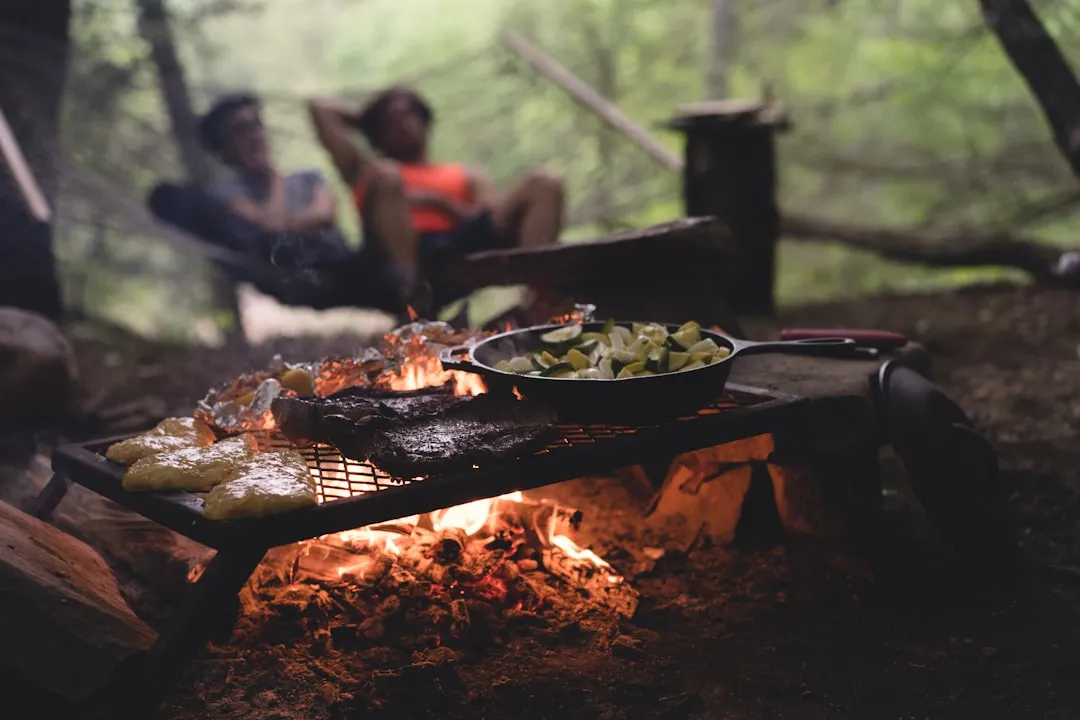
There’s a clear return to primal cooking techniques. From open-flame grills to backyard fire pits, live-fire cooking is capturing real enthusiasm in 2025. This isn’t just nostalgia. In 2024, wood-fired grill installations in U.S. backyards rose by roughly a quarter, with homeowners citing flavor and tradition as the top reasons for choosing the method.
In 2026, outdoor meals have moved from simple sustenance to a core part of the adventure itself, with people investing in more varied camp cooking gear for their trips. The campfire, humble as it is, sits at the center of all of it.
Methods like campfire cooking and Dutch oven cooking have always been around, but there’s a renewed interest in their rustic charm and smoky flavors. Open-flame cooking is relatively simple, requiring minimal equipment and ingredients, and it lets you get back to basics and enjoy the pleasures of cooking over fire.
What You Actually Need Before You Start
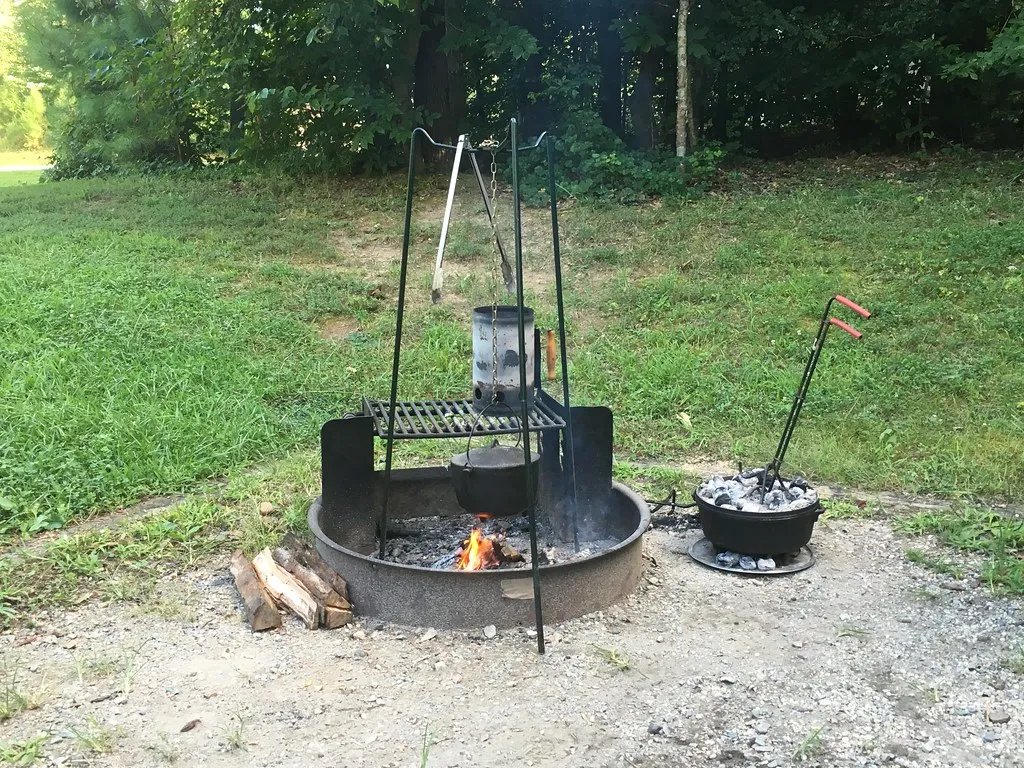
You don’t need a lot of gear to cook well over a campfire. A cast iron skillet, a Dutch oven, a roll of heavy-duty aluminum foil, and a solid pair of long-handled tongs will cover most of what you need. One-pot camping meals can be packed with flavor using readily available, simple ingredients, and most only require a cast iron skillet, Dutch oven, or aluminum foil packets for cooking.
For a smoother campfire experience, prepare as much as you can ahead of time, then freeze and store ingredients in plastic bags. This also helps keep things cold in the cooler. It’s worth repeating: the most common reason campfire cooking goes wrong isn’t the fire. It’s under-preparation before you even leave home.
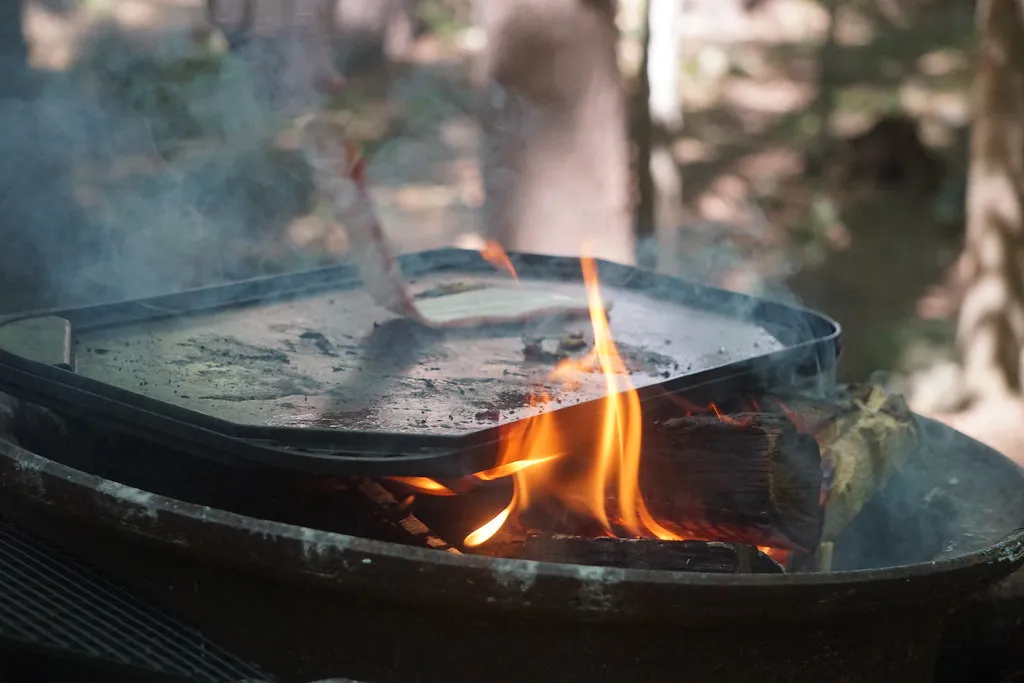
When cooking over a campfire, you’ll want to use embers and coals rather than placing food or pots right over a roaring flame. A mature coal bed gives you consistent, manageable heat. A roaring fire looks great but makes cooking control nearly impossible.
Meal 1: Classic Foil Packet Beef and Vegetables
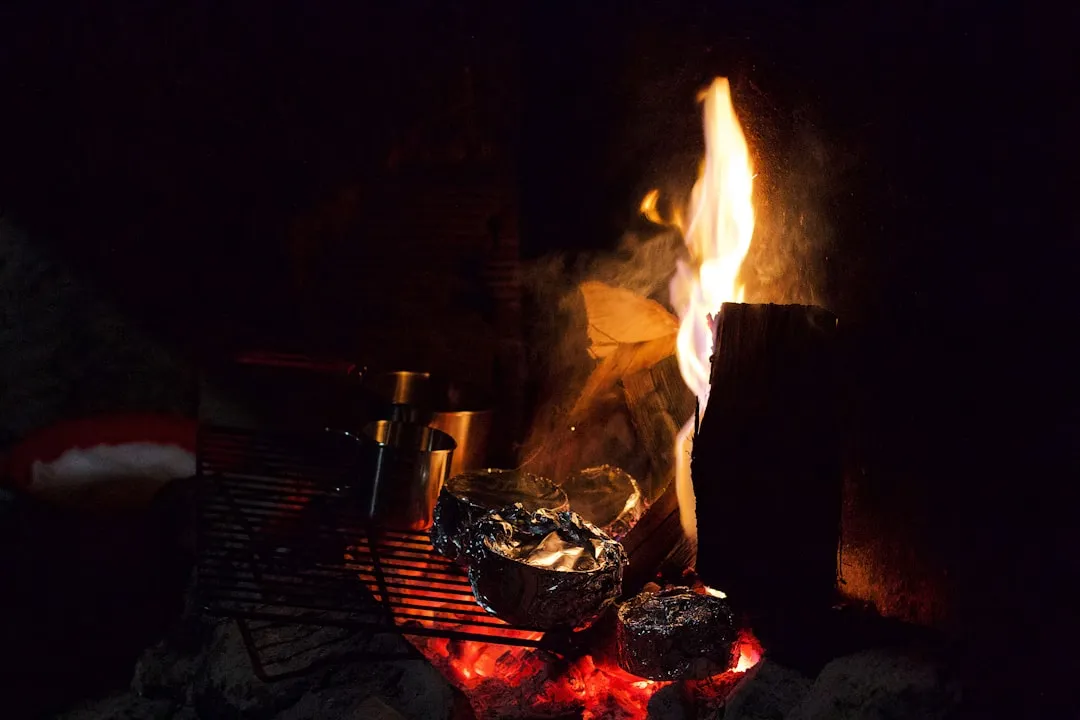
This is the campfire meal that has been around for decades, and it remains one of the best for good reason. Often called campfire dinner packets or hobo meals, whatever you call them, they are delicious and easy. The basic build is simple: ground beef, pre-parboiled potatoes, carrots, diced onion, and butter, all sealed tightly into a heavy-duty foil packet.
Cook the packet seam side down for about ten minutes, then turn and open to check progress. Reseal and cook for an additional five to ten minutes. Cooking time will vary based on the heat of your fire. The packets essentially steam everything from the inside out, which is why the onion is so critical. Even if you don’t love onion, make sure to add it to each packet because it adds significant flavor.
One thing people love about foil meals is that picky eaters can add or subtract ingredients from their own packet. You just need to prep the fresh ingredients and let each camper build their own. That makes it one of the most family-friendly options in the campfire cooking playbook.
Meal 2: Dutch Oven Beef Stew
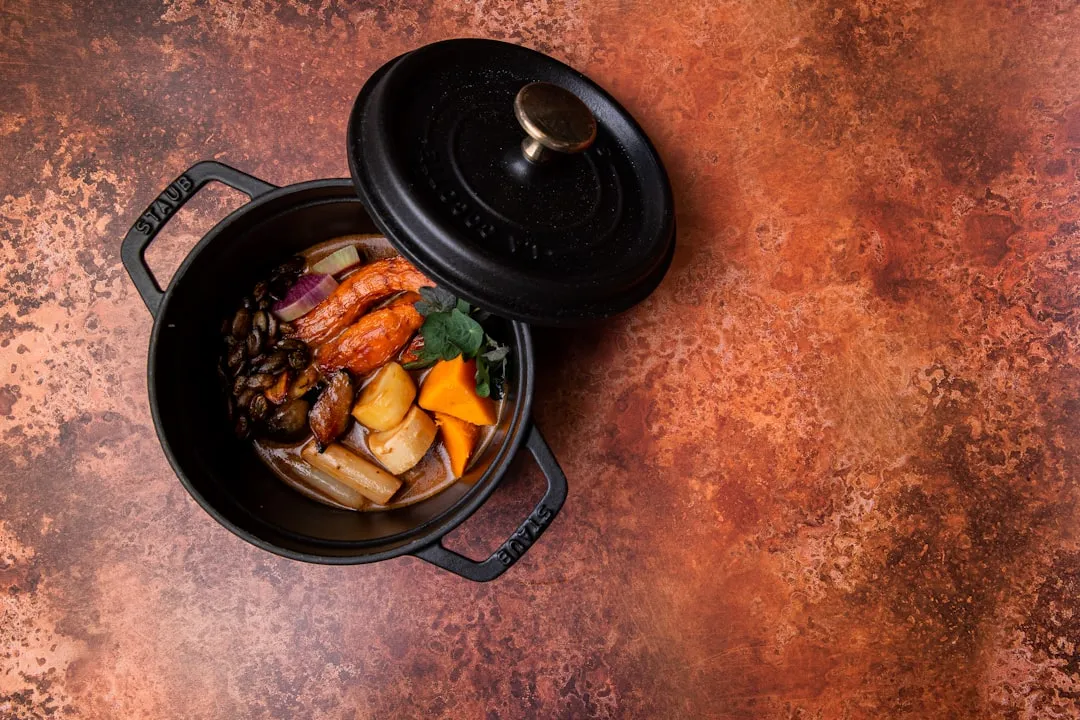
This is the slow-cooked, deeply satisfying meal that rewards patience. A hearty camp beef stew made in a cast iron Dutch oven can be prepared over the campfire or on a camp stove, and it’s full of tender beef, potatoes, carrots, celery, and onions gently simmered in a rich beef gravy. It’s a perfect one-pot camping meal for cooler weather.
Hearty chunks of beef become tender after a long, slow simmer, while baby potatoes soak up all that savory broth while still holding their shape. Season your beef generously before you start. For slow cook recipes like this stew, it’s important to have a lot of coals prepared so you can replace the ones that burn out. Doing the initial cooking over active flame and then simmering with coals works well.
An important thing to remember is that pouring cold water into an extremely hot cast iron pot can crack the iron, so add liquid very slowly, no more than half a cup to one cup at a time. Total cook time over a campfire is typically between one and a half to three hours depending on fire intensity, but the result is a meal that feels like genuine winter comfort food, regardless of where you eat it.
Meal 3: Cast Iron Skillet Breakfast Scramble
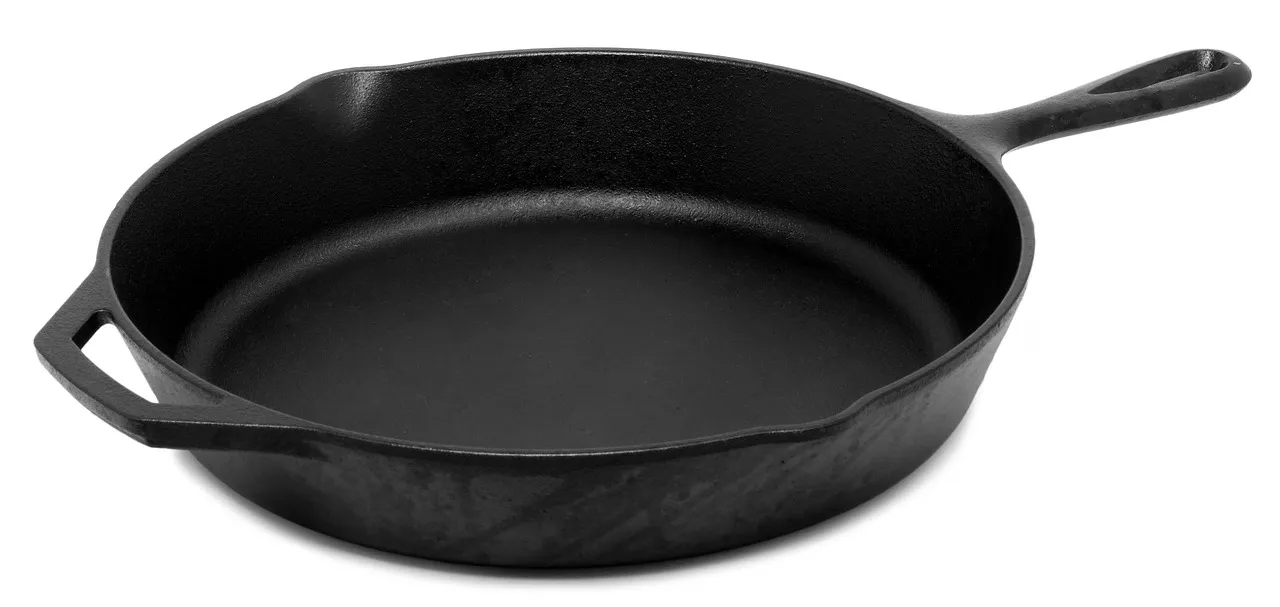
Campfire breakfast is often the most underrated meal of the trip. When you combine bacon, hash browns, green bell pepper, onion, eggs, cheddar cheese, salsa, and sour cream, you get a satisfying skillet breakfast that can be cooked over campfire coals, and you’ll be eating in under 30 minutes.
Get your cast iron skillet good and hot over the coals, start with the bacon, and build the scramble from there. The rendered fat from the bacon does double duty as your cooking oil for the vegetables and eggs. Keep the heat manageable. A screaming hot skillet will scorch eggs in seconds, while a moderate coal bed lets you stir and cook at a comfortable pace.
This meal scales up beautifully for groups. Pre-chop your vegetables the night before at home and store them in a sealed bag. When you’re ready to cook, everything goes straight from the bag to the skillet. Aluminum foil serves many purposes at the campfire. You can use it as a grill cover or pot handle cover, and wad it into a ball to clean the grill afterward.
Meal 4: Shrimp and Sausage Foil Boil Packs
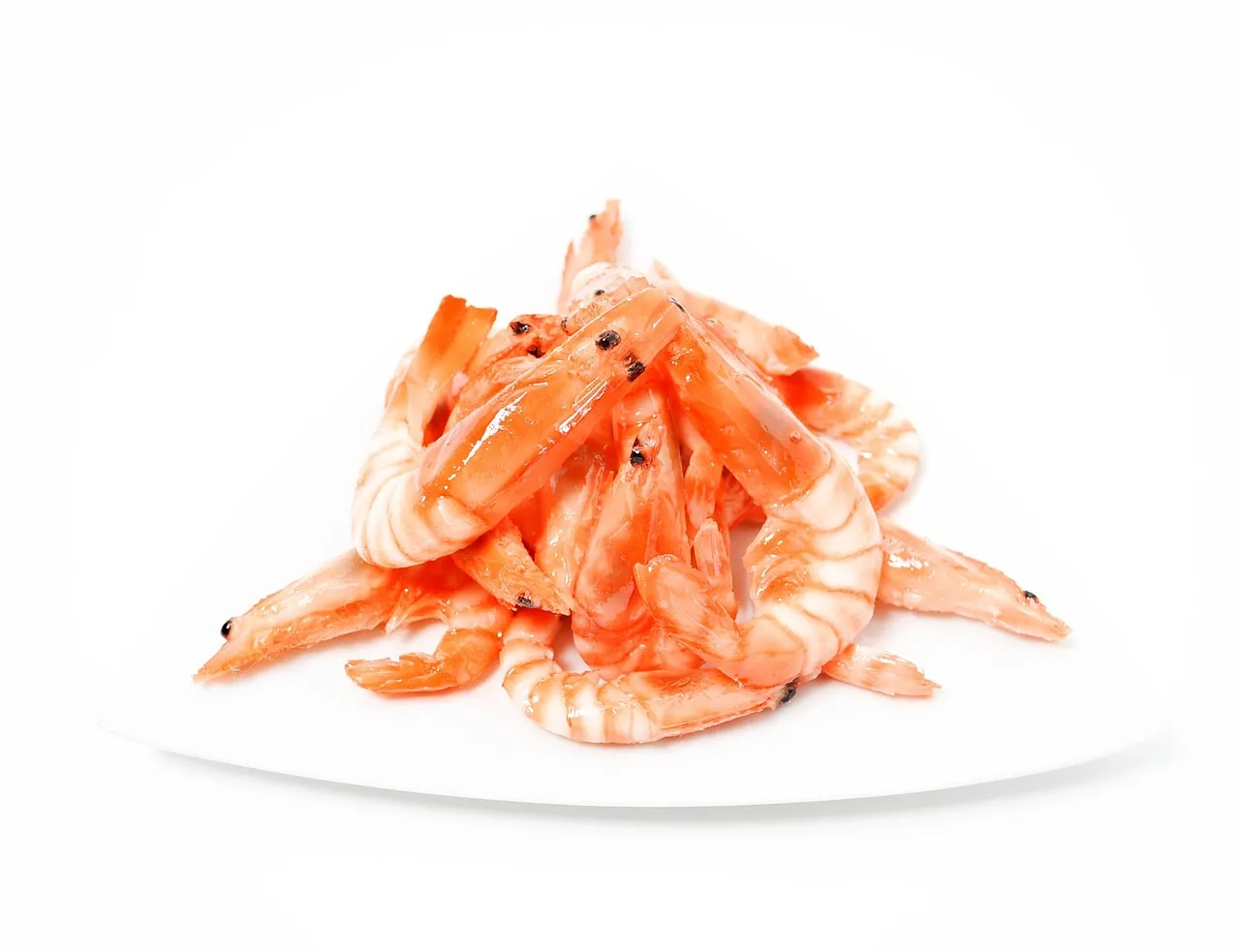
Tender shrimp, smoky sausage, zucchini, and fresh corn mingle together in foil packets inspired by a classic shrimp boil. Cooked inside a foil packet with a generous amount of garlic butter, these packs are summer seafood cooking at its simplest. They’re also faster than the beef packets, making them a strong choice for a second-night dinner when energy levels drop.
Slice the sausage into coins, halve the corn, and cut the zucchini into thick pieces so everything finishes at roughly the same time. A generous pat of butter and a few smashed garlic cloves go into each packet before sealing. Turn the packets over every once in a while to make sure they cook evenly, and use heat-resistant gloves or extra-long BBQ tongs when handling hot foil packets.
Use a meat thermometer. When it comes to foil pack recipes, using an instant-read thermometer to ensure the meat is fully cooked through is strongly recommended. Shrimp cook quickly, so 10 to 12 minutes over good coals is usually plenty. Overcooked shrimp turn rubbery fast. Check early and often.
The Case for Cooking Over Real Fire Versus the Pouch
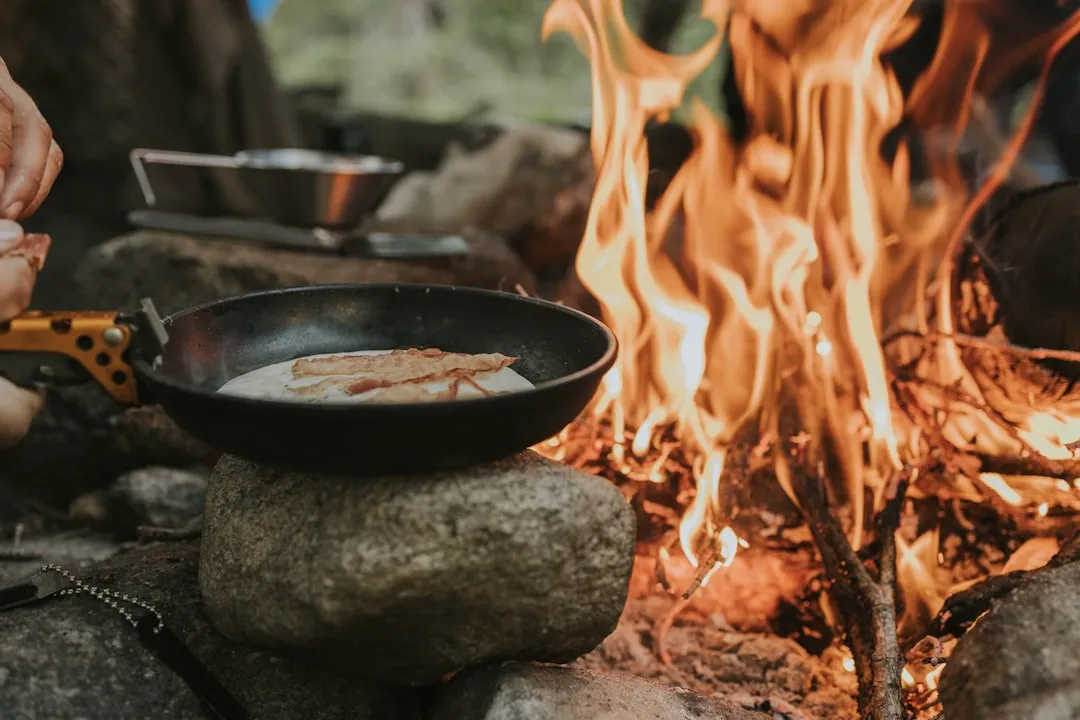
Due to the difficulty of carrying large amounts of cooking fuel, campers in backcountry settings often require meals that cook in five to twenty minutes. Many prefer the ‘just add boiling water’ method, while others enjoy a more involved and often higher quality meal. The honest answer is that both approaches have their place.
Lacking in a lot of fresh fruits and vegetables, many freeze-dried meals aren’t full of vitamins, and you’ll generally be better off with fresh food in that regard. For car camping or any trip where you have a cooler, there’s simply no reason to default to a pouch. Fresh ingredients travel well for two to three days in a properly packed cooler, and the cooking process itself is part of the experience.
Health-conscious campers are increasingly using outdoor cooking to prepare leaner meals, grilling more vegetables and incorporating whole proteins. Outdoor cooking also serves as a genuine social activity, with many using it to bond with family and friends. That’s something a foil pouch can’t replicate, no matter how good the recipe inside it is.
How to Build and Manage Your Campfire for Cooking
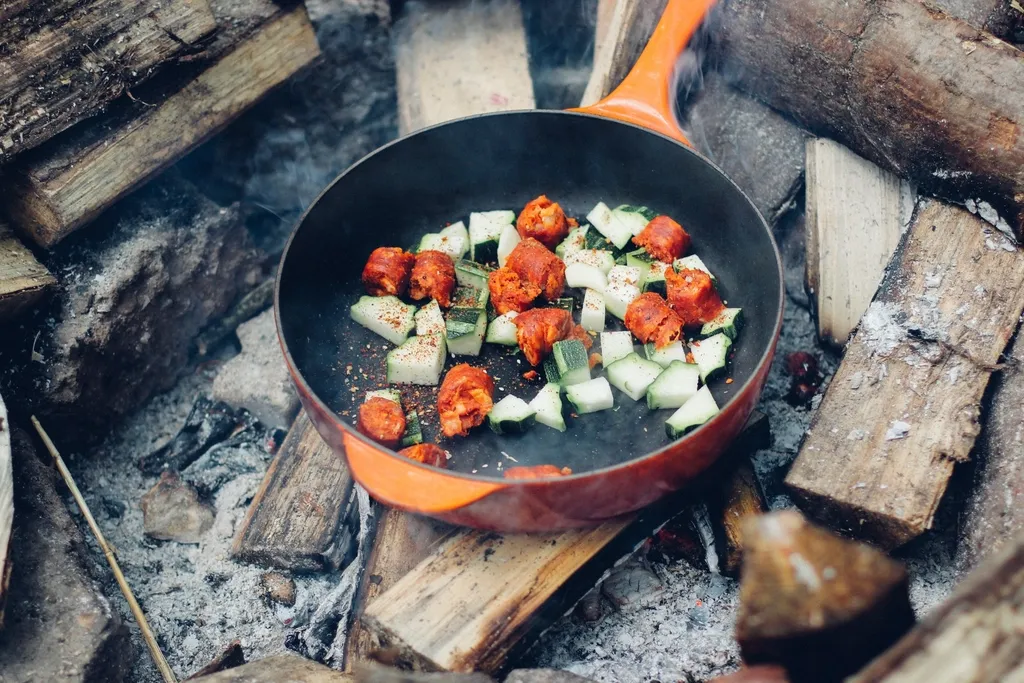
A good cooking fire is different from a bonfire. You want a coal bed, not flames. Build your fire earlier than you think you need to, let it burn down for thirty to forty-five minutes, and then use the glowing coals as your heat source. Check your cooking every thirty minutes and adjust accordingly. If food is cooking too fast, raise the pot higher. If too slowly, lower it closer to the coals. You’re looking for a simmer, not a hard boil.
Managing a campfire for cooking takes a bit of practice, but it gets intuitive quickly. You may have to check your simmer more often than you would on a stove. With practice, campfire cooking gets easier.
Always check local fire regulations before you plan any fire-cooked meal. Make sure you understand local fire regulations before planning a fire-cooked meal. Fire bans can and do happen, especially during dry seasons, and no meal is worth the consequence of ignoring them.
Prep-Ahead Tips That Make Everything Easier
The biggest time drain at a campsite isn’t the cooking itself. It’s the prep work that should have happened at home. Chop your vegetables the night before the trip. Portion your meats into individual bags. Pre-mix your dry spices into small labeled containers. Campers often repackage ingredients to reduce packaging and combine them into meal-ready packages, reducing prep time at camp considerably.
You can make foil packets ahead of your camping trip. Just make sure the packets are stored correctly to prevent leaks and messes. For the beef stew specifically, you can pre-brown the meat at home and freeze it in the cooking bag. It thaws during the drive and is ready to go straight into the Dutch oven when you get there.
A day or two before camping, mix your meat in olive oil and season it. Refrigerate or keep on ice in a chest cooler until you are ready to cook. This also means the seasoning has time to actually penetrate the meat, which makes a noticeable difference in the final flavor.
Cleanup at the Campfire: Keeping It Simple
The beauty of foil packet meals is that cleanup is nearly nothing. Fold up the used foil, pack it out, and you’re done. The Dutch oven requires a bit more care. Cast iron cooks everything more evenly than pans with hot spots and maintains great flavors the more you use it. You don’t want to scrub it aggressively. Rinse it off and over the years it becomes naturally seasoned.
Aluminum foil serves as a useful tool for cleanup too. You can wad it into a ball to scrub the grill grate. Placing foil or a thin layer of soap on the outside of your pan before cooking helps with post-meal cleanup. These are small habits that make a real difference when you’re cleaning up in low light with limited water.
Always clean up food waste well away from your sleeping area. Be sure to prepare food and clean out pots and pans away from your campsite. In bear country especially, this isn’t optional. It’s a basic safety habit that every campfire cook should have dialed in before their first trip.
The Bigger Picture: Why These Meals Matter
Camp cooking is no longer just survival. It’s become the highlight of the trip, with better gear and elevated meals changing the whole outdoor experience. That shift matters. When dinner is something you actually look forward to making, the whole day at camp feels different. The fire becomes a gathering place rather than just a heat source.
Open-flame cooking gives you a connection to nature, enhances the overall experience, and allows you to appreciate the beauty of your surroundings. Gathering around the campfire, sharing stories, and enjoying good food together fosters a real sense of connection. That’s the part no freeze-dried pouch can replicate, and it’s the reason these four meals are worth the extra effort.
Campfire cooking doesn’t require professional skills or expensive gear. It requires a bit of preparation, some patience with the coal bed, and a willingness to pay attention. The fire does most of the work. Your job is to not rush it.
AI Disclaimer: This article was created with the assistance of AI tools and reviewed by a human editor.