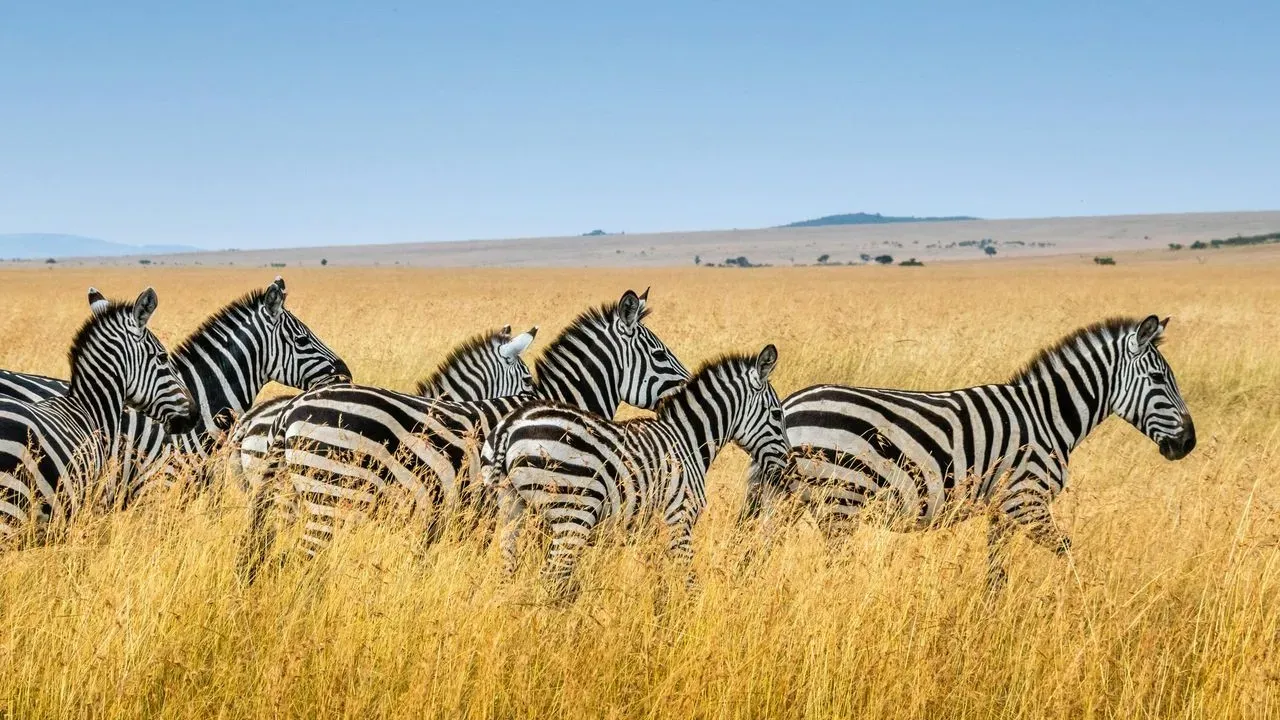

Many people picture lions, elephants, and the rest of the classic African lineup the moment wildlife travel comes up. Yet the natural world holds far more variety than any single checklist suggests, and those who care about biodiversity often find themselves drawn to quieter, less expected encounters. The shift begins when travelers start choosing experiences around the habitats and species that genuinely spark their curiosity rather than a fixed list of large mammals.
Stepping Outside the Familiar Safari Frame
Africa itself contains far more than its most celebrated mammals. Primates, wild dogs, giraffes, and countless birds and reptiles share the same landscapes and reward patient observation just as richly. Focusing only on the best-known animals can shrink the sense of what is possible, even within one continent. Once the lens widens to include behavior, habitat, and smaller species, the options multiply quickly. Travelers who enjoy walking or photography often discover that these less-heralded animals create more intimate and surprising moments than a standard game drive allows. The result is a deeper appreciation for the ecosystems that support all wildlife, not just the headline species.
Polar Landscapes and Their Striking Residents
The Arctic and Antarctica deliver wildlife experiences shaped as much by ice and light as by the animals themselves. In the north, polar bears, Arctic foxes, reindeer, and seabirds move through tundra and remote coastlines, while expedition ships and shore landings offer multiple vantage points. Antarctica presents a different scale entirely, with penguins sharing waters rich in seals and whales. The vast emptiness of these regions turns every sighting into part of a larger wilderness rather than an isolated event. For nature enthusiasts accustomed to temperate gardens or woodlands, the sheer scale of these environments can feel both humbling and exhilarating.
Marine Worlds and the Pull of the Unexpected
Some of the most memorable wildlife moments occur at sea, where whales, dolphins, orcas, seals, and seabirds appear without warning. Expedition cruises turn the journey itself into the experience, allowing days of watching for life amid remote waters and changing light. Cold-water routes emphasize marine mammals, while tropical passages often combine ocean life with coral reefs and island ecosystems. The unpredictability adds to the appeal: a single surfacing whale can linger in memory longer than any planned itinerary. Gardeners and outdoor observers frequently note how these fluid environments echo the seasonal rhythms they already watch at home.
Birds, Bears, and Primates Across Varied Habitats
Birdwatching opens another accessible entry point into wildlife travel. From colorful tropical species to seabirds along polar coasts, birds appear in nearly every landscape and reward attention to movement and sound. Wetlands, rainforests, and coastal zones each support distinct communities that reward repeated visits. Bears beyond the polar regions offer further variety. In parts of Canada, grizzlies, black bears, and the rare spirit bear appear in forests and along rivers, sometimes alongside whales visible from the same coastal routes. Primates, meanwhile, draw travelers into forests and mountains where tracking on foot replaces vehicle-based viewing. These encounters emphasize listening for calls, reading tracks, and moving at the pace of the animals rather than a schedule.
Choosing Experiences That Match Personal Curiosity
The most rewarding trips often begin with a preferred habitat or season rather than a destination name. Rainforests, mountains, deserts, and wetlands each host species found nowhere else, and timing around migrations or breeding cycles improves the odds of meaningful sightings. Travel style matters too. Walking safaris, small-boat excursions, and photography-focused groups allow closer attention to detail than larger vehicle tours. Many of these journeys also weave in local communities, landscapes, and cultural context, turning a single interest into a fuller connection with place. In the end, the appeal lies in the ongoing discovery itself. Each new habitat or species reveals another layer of the natural systems that gardeners and nature observers already tend and admire closer to home.
AI Disclaimer: This article was created with the assistance of AI tools and reviewed by a human editor.