

A lush, water-rich garden can be a haven for wildlife and a sanctuary for gardeners—but it can also become a mosquito breeding ground if you’re not careful! Mosquitoes need standing water to complete their life cycle, and many ornamental and aquatic plants naturally hold or trap water in their foliage, roots, or leaf axils. As a gardener, spotting those tiny wrigglers in your containers or pond plants is such a bummer, but knowing which species are guilty lets you enjoy your greenery without inviting an army of biters.
Over the years, I’ve mixed pleasure and pain by planting some of the most beautiful water-loving species—only to end up hosting mosquito hatcheries! In this article, we’ll explore 13 common plants that, despite their charms, create perfect mosquito nurseries. I’ll cover each plant’s native origins, behaviors—like nesting spots for beneficial insects—and any invasiveness to watch out for. Let’s dive in before your garden turns into a mosquito resort!
Papyrus (Cyperus papyrus)

Papyrus hails from the marshlands of tropical Africa, where tall, graceful stalks with umbrella-like tufted heads sway in the breeze. In garden ponds or water features, the hollow stems and dense root mats trap and hold water, providing sheltered pockets ideal for mosquito larvae to develop. I planted papyrus for its architectural drama—only to discover those same dense stands hosted more wrigglers than frogs some summers!
While papyrus isn’t generally invasive in temperate zones, its robust rhizomes can spread vigorously in shallow water, shading out native pond plants. That thick canopy also offers nesting refuge for dragonflies, whose nymphs may help control mosquitoes—so it’s not all bad. Just be prepared to thin clumps regularly and tip out stagnant water from hollow stalks to keep your mosquito population in check.
Taro (Colocasia esculenta)

Taro, or elephant ear, originates from Southeast Asia and thrives in the moist soils and shallow water of its native wetlands. Those massive, heart-shaped leaves form natural cups at their bases, collecting rain and irrigation runoff. I remember the first time I peered into a newly planted taro patch—each leaf held a perfect teeny pool brimming with tiny larvae!
In warmer climates, taro can naturalize along streambanks and pond edges, though its invasiveness is moderate compared to other aquatics. Aside from mosquito larvae, these water-filled cups become mini-habitats for springtails and mosquito predators like predatory mosquito fish, if you introduce them. To prevent a breeding bonanza, tip out water regularly and rotate plants so leaf axils can dry between rains.
Water Lettuce (Pistia stratiotes)

Native to tropical Africa and South America, water lettuce floats on the surface in rosettes of fuzzy, pale-green leaves. Beneath those leaves, dense root masses dangle into the water, forming perfect shady nurseries for mosquito larvae. I once added water lettuce to my pond thinking it would filter nutrients—only to watch my buzzing guests multiply overnight!
Sadly, in warm regions water lettuce can become invasive, forming thick mats that choke waterways and outcompete native flora. Those mats also exclude fish and beneficial aquatic insects, tipping the balance toward mosquito dominance. If you love water lettuce’s soft texture, keep it in a small, isolated container pond and remove excess plants before they cover the surface.
Bamboo (Phyllostachys spp.)
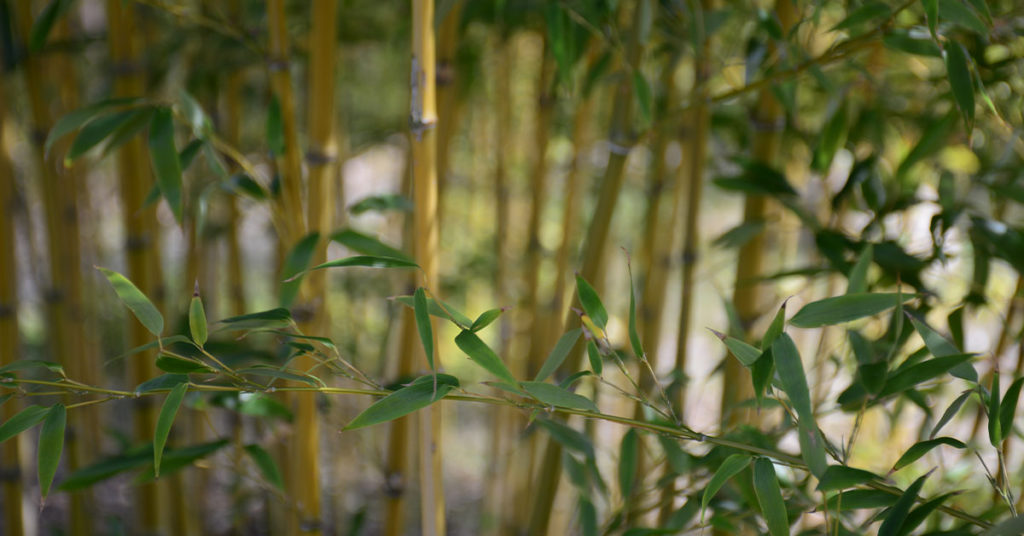
Running bamboos, native to East Asia, spread via underground rhizomes and can trap water in the hollow internodes of their canes as well as in leaf sheaths at the base of new shoots. After a rain, those sheltered pockets become prime mosquito breeding vials! I learned this the hard way when my once-tidy bamboo grove doubled as a nursery for buzzing pests.
Although bamboo isn’t especially invasive above ground, its underground network can be unstoppable without a barrier. Those dense groves also provide nesting sites for small birds—charming until you realize fledglings and mosquito larvae share the same hiding spots! To combat mosquitoes, drill small holes in the internodes to drain standing water and clear leaf litter that holds moisture.
Aquatic Iris (Iris pseudacorus)
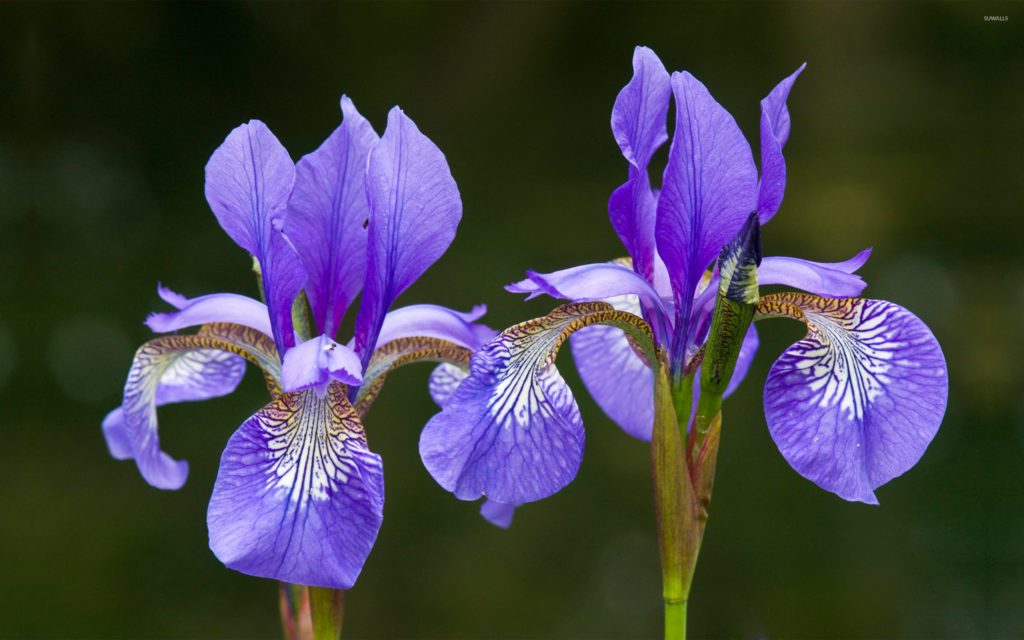
Yellow flag iris, native to Europe and western Asia, thrives in pond margins and boggy soils. Its clustered rhizomes create water-filled nooks where mosquito eggs hatch safely away from fish predation. I planted this iris for its brilliant yellow blooms—only to discover those same blooms masked the hum of mosquitoes emerging by the dozens!
In North America, Iris pseudacorus is considered invasive in many wetlands, forming dense stands that exclude native iris species. While dragonfly nymphs sometimes patrol these beds, they can’t keep pace with mosquito breeding in concealed crevices. Carefully thin iris clumps each spring and allow sections to dry out periodically to interrupt the mosquito life cycle.
Pitcher Plants (Sarracenia, Nepenthes)

Carnivorous pitcher plants from North America (Sarracenia) and tropical Asia (Nepenthes) trap rainwater in their tubular leaves to drown insect prey. Unfortunately, those self-contained pools also serve as mosquito habitat! I’ll never forget setting up my native Sarracenia bog and realizing that every pitcher brimmed with wriggling larvae before the plants had even caught their first fly.
These specialized pitchers usually aren’t invasive outside their bog or greenhouse environments, and they do attract predatory mosquitoes like Toxorhynchites—which eat other mosquito larvae! Still, if you grow them purely for decor, consider flushing the pitchers gently every few days or adding a few predatory mosquito larvae to keep the numbers down.
Umbrella Sedge (Cyperus involucratus)

Umbrella sedge, originally from Madagascar, sports a fountain of grassy stems topped with umbrella-like clusters of spikelets. At ground level, tuberous roots and leaf litter trap moisture in shallow depressions—ideal brood sites for mosquitoes. I planted this sedge in a rain garden to add texture, only to find small mosquito hatcheries hidden beneath the fronds!
Though umbrella sedge isn’t widely invasive, its affinity for moist soils means it can naturalize along pond edges. On the plus side, its open structure invites damselflies, whose nymphs prey on mosquito larvae. To manage breeding, rake away old foliage in early spring and ensure the soil surface doesn’t remain waterlogged between storms.
Banana Plants (Musa spp.)
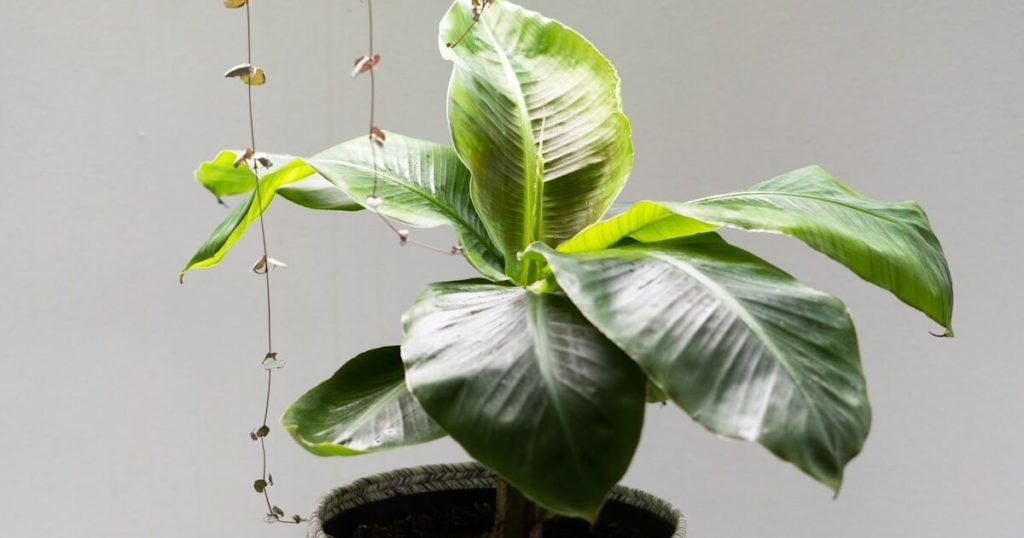
Tropical banana plants, native to Southeast Asia, accumulate water in the layered bases of their leaf petioles and pseudostems. Those hidden pockets are delightful micro-reservoirs for mosquitoes to lay eggs away from predators. I learned caution the hard way when my ornamental bananas served as tiny standing pools after summer showers!
Bananas aren’t typically invasive in temperate gardens, but in frost-free zones they can spread via suckers. Their broad leaves also provide nesting cover for beneficial birds—fortunately, blue jays and woodpeckers often snack on mosquito pupae. To disrupt breeding, tip out trapped water after rains and cut back dying leaves that collect moisture.
Bromeliads (Various Genera)

Many bromeliads from Central and South America form rosettes that hold water in central “tanks”—perfect for frogs, orchids, and unfortunately, mosquito larvae. I can’t count the times I rescued a thirsty bromeliad by filling its tank, only to later discover dozens of tiny wrigglers! These tanks also shelter tiny springtails and mites, creating a complex micro-ecosystem.
Though most bromeliads are not invasive beyond their tropical range, they do thrive as epiphytes on trees and porch railings. You can encourage mosquito predators like damselfly adults by keeping bromeliads outdoors in partial shade. Otherwise, flush the central cups weekly and add a drop of biodegradable mosquito dunk to break the larval cycle without harming the plant.
Canna Lilies (Canna indica)
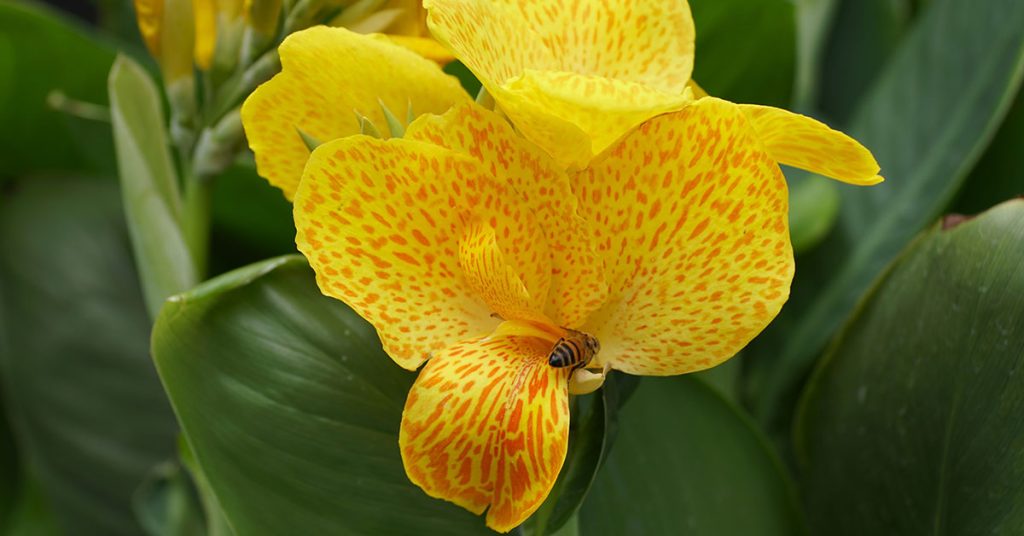
Native to tropical Americas, canna lilies sport cupped leaf bases that catch rainwater and irrigation runoff. Those small pools are more inviting to mosquitoes than your average birdbath! I love the bold foliage and fiery blooms, but after a few seasons I noticed canna beds buzzing with mosquito activity on still summer evenings.
Cannas aren’t regarded as particularly invasive, though they spread via underground rhizomes in warm climates. Their dense clumps can harbor frog egg masses and aquatic insects—granting some natural mosquito control. Still, I advise tipping out water from the leaf bases and thinning rhizomes annually to reduce stagnant microhabitats.
Marsh Marigold (Caltha palustris)
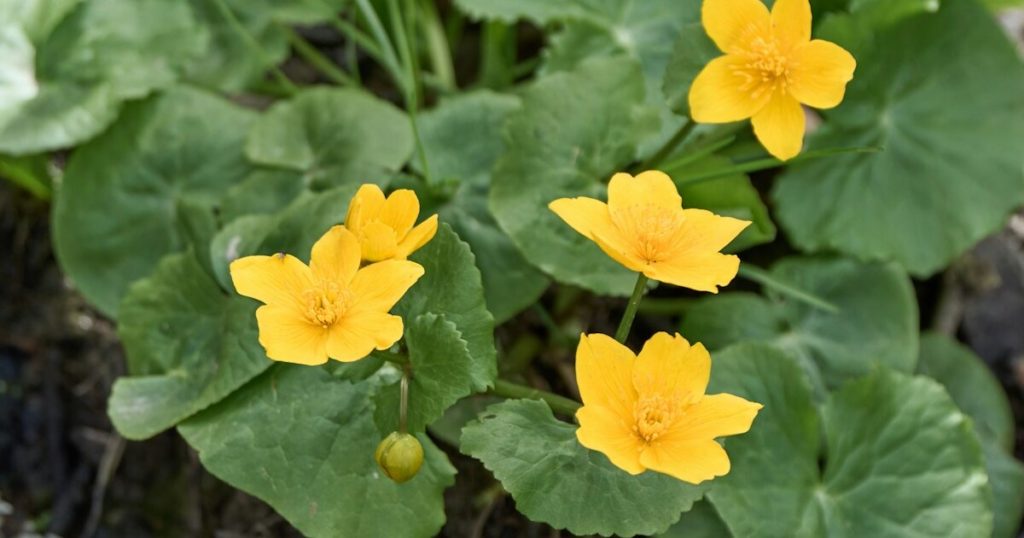
Marsh marigold, a native of temperate wetlands in Europe and North America, blooms in early spring with bright yellow flowers. Its basal leaves sit in waterlogged soil and often form small puddles in leaf axils—ideal nursery grounds for overwintering mosquito eggs. I planted these for spring color, then spent every warm day picking mosquito pupae out of the leaf cups!
Though not typically invasive, marsh marigold can spread by rhizomes in garden ponds and bog gardens. On the upside, early bloom attracts queen bumblebees emerging from hibernation, supporting pollination networks. To curb mosquitoes, drain pooled water after the bloom fades and divide crowded clumps to improve water flow.
Horsetail (Equisetum hyemale)
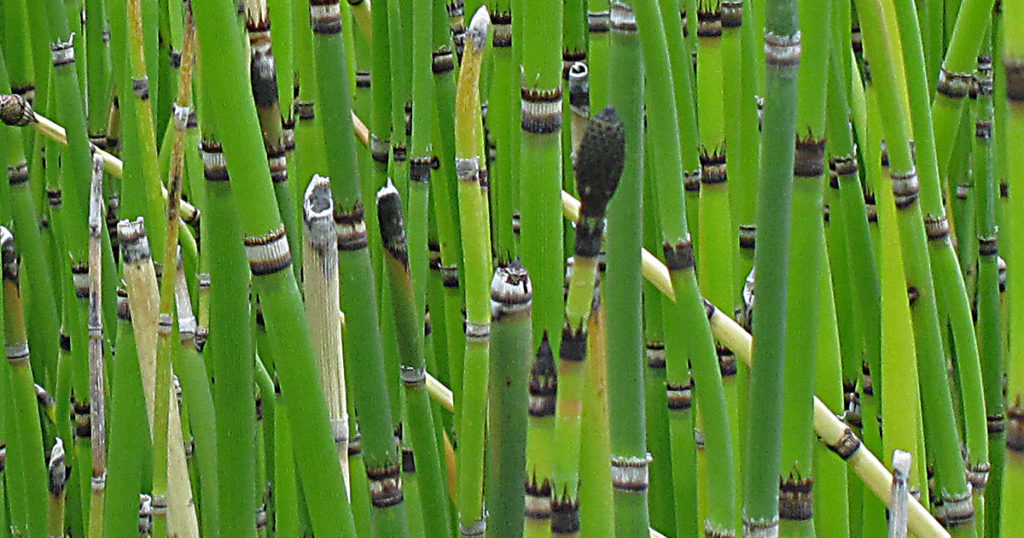
Horsetail, native to wetlands across the Northern Hemisphere, spreads via an extensive network of underground rhizomes. Its upright, reed-like stems rise from shallow water or damp soils, and small pockets of water collect in the junctions of its jointed stems. I planted horsetail for its prehistoric charm, only to discover those same nodes were perfect for mosquito larvae to hide!
Very invasive in moist soils, horsetail can be impossible to fully eradicate once established. Though some amphibians like to lay eggs on its stems, horsetail-dominated patches often lack the open water spaces that fish or dragonfly nymphs need to thrive. The best defense is regular harvesting of new shoots and thorough drainage improvements to keep soils from staying soggy.
Water Lilies (Nymphaea spp.)

Water lilies, native to ponds across the globe, float with broad pads that shade water and reduce wave action—conditions mosquitoes love for laying eggs. Beneath those pads, the still water is protected from wind and fish predators, allowing larvae to develop undisturbed. In my first container pond, every lily pad became a nursery, hiding dozens of larvae out of sight!
Some hardy lilies can naturalize along pond margins, though they seldom become invasive in temperate climates. Their blooms, however, attract water beetles and damselflies that prey on mosquito larvae. To keep mosquito numbers down, plant lilies sparsely, add small fish like gambusia for biological control, and stir the water surface gently now and then to expose larvae to predators.