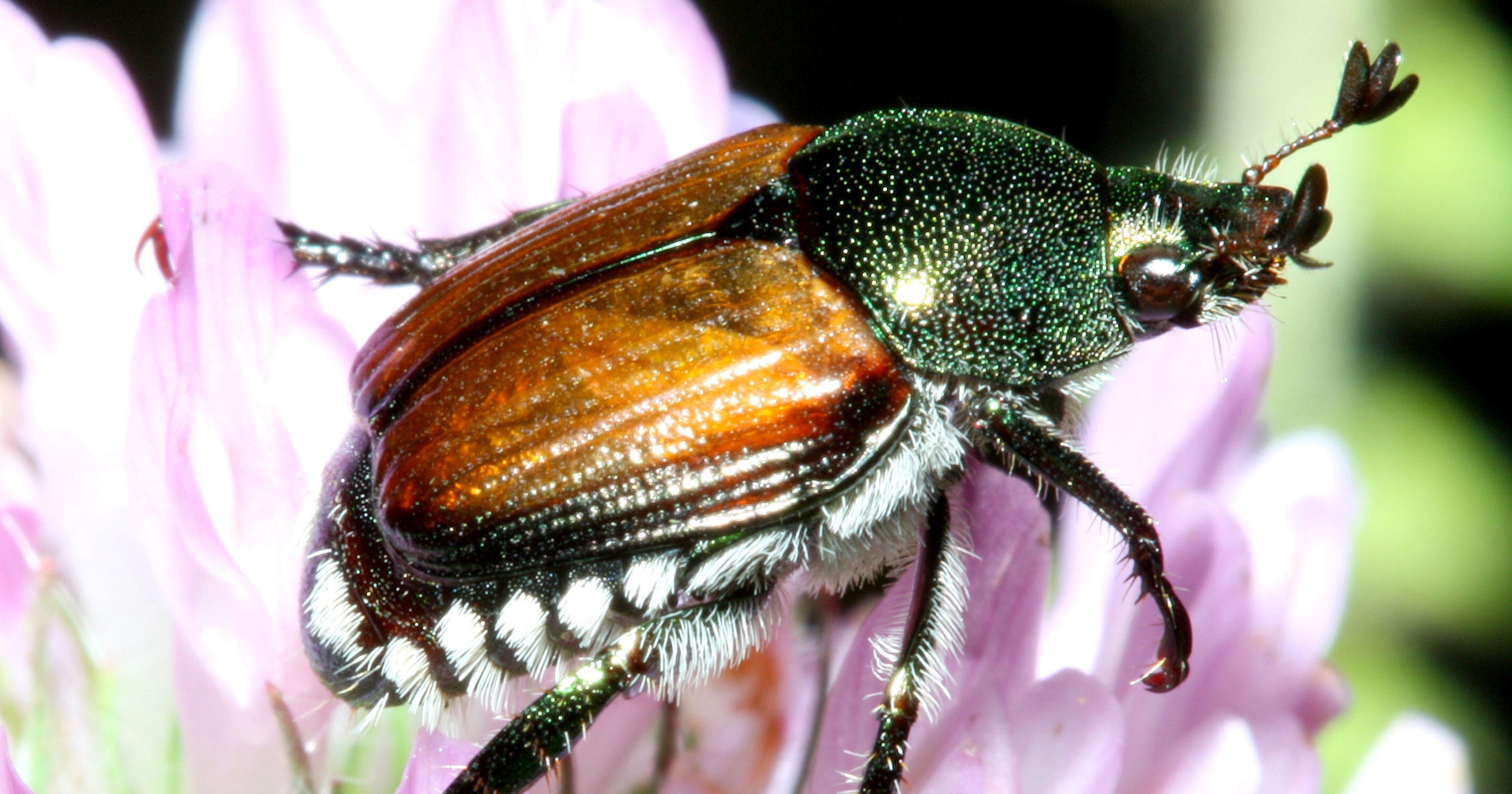

As gardeners, we’re always on the lookout for ways to protect our beloved plants from pests. There’s nothing more frustrating than seeing your hard work devoured by insects, especially when you’ve poured so much care into your garden. One pest that tends to send gardeners into a panic is the Japanese beetle. These shiny, green and bronze invaders can wreak havoc on a wide range of plants, leaving skeletonized leaves in their wake. When you see the damage they cause, it’s tempting to reach for the first solution that promises relief. But hold on—experts are now advising against the use of Japanese beetle traps. I know, it sounds counterintuitive, but bear with me!
It turns out that these traps might be doing more harm than good. While they may seem like an easy fix, the reality is that they could actually be attracting more beetles to your garden, leading to even greater devastation. As someone who’s been there, staring at a garden full of chewed-up leaves, I understand the urge to do whatever it takes to get rid of these pests. But trust me, it’s worth considering why experts are waving the red flag on these traps. Let’s dig into the reasons why these traps might not be the best solution and explore some alternative strategies for keeping Japanese beetles at bay.
Traps Attract More Beetles
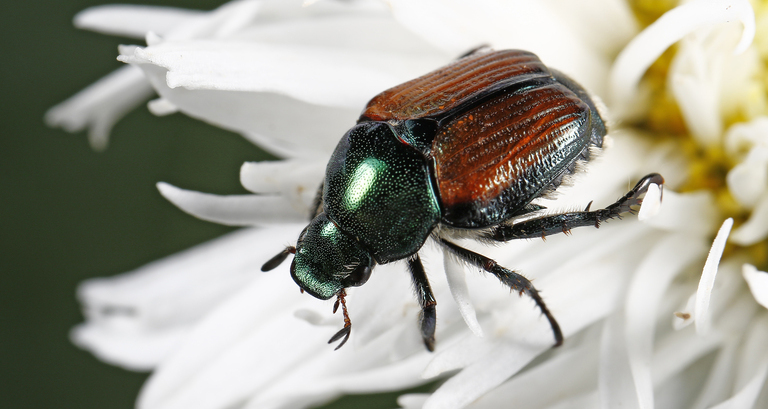
One of the biggest reasons experts advise against using Japanese beetle traps is that they can attract more beetles to your garden than they actually catch. These traps work by using a combination of floral scents and pheromones to lure beetles in. While that might sound like a great idea, the problem is that the traps don’t discriminate—they attract beetles from all over the neighborhood! This means that while you might catch a few, you’re likely drawing in many more than would have originally found their way to your garden.
I know how tempting it is to believe that the more beetles you catch, the better off your plants will be, but studies have shown that the increased number of beetles in the vicinity can result in more damage overall. The beetles that don’t get trapped are left to feast on your plants, often in even greater numbers than before. Instead of being a solution, these traps can turn into a beacon for every Japanese beetle in the area, making your garden ground zero for an infestation.
Ineffectiveness in Large Gardens
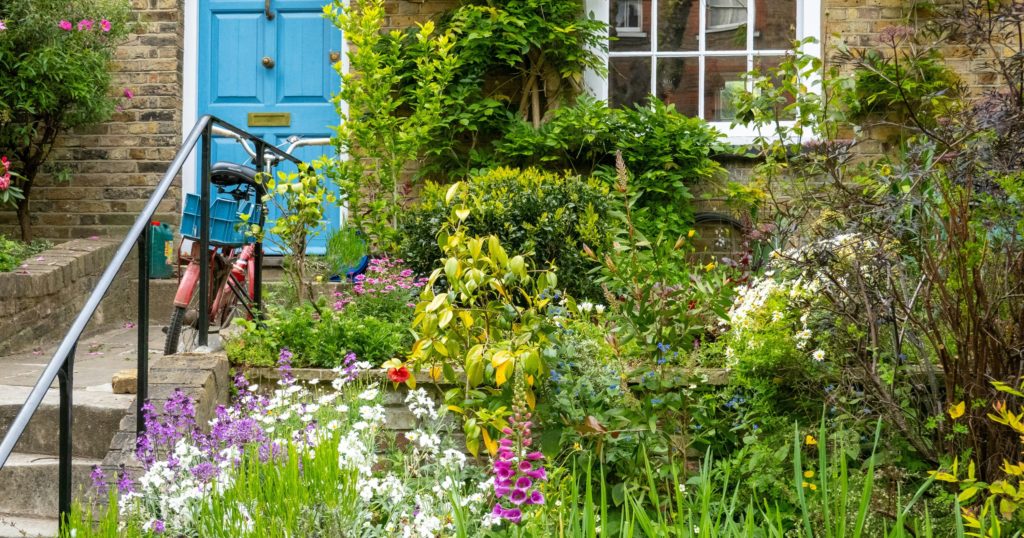
Another issue with Japanese beetle traps is their limited effectiveness, especially in larger gardens. If you have a sprawling garden or a lot of ground to cover, these traps simply aren’t going to do the job. The small radius of influence means that while the trap may reduce the beetle population in a tiny section of your garden, the rest of your plants remain vulnerable. Even worse, the beetles that are drawn in from outside your garden might settle on plants that are nowhere near the trap, leading to patchy, widespread damage.
It’s such a bummer when you think you’ve found the perfect solution, only to realize it’s only covering a fraction of the problem. If your garden spans more than a small area, relying on traps alone just isn’t going to cut it. Instead, consider combining other methods, such as hand-picking or using natural predators, to create a more comprehensive defense against these persistent pests. Remember, the goal is to protect your entire garden, not just the area right around the trap!
Potential for Non-Target Damage
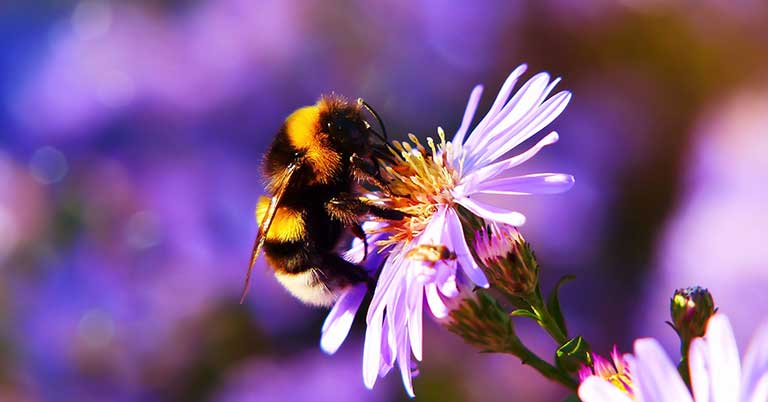
Japanese beetle traps don’t just attract Japanese beetles—they can also lure in and potentially harm non-target species. These could include beneficial insects like bees, which are crucial for pollination, or other harmless beetles that contribute to the ecological balance of your garden. The floral scents used in the traps aren’t specific to Japanese beetles, and this lack of specificity can inadvertently disrupt your garden’s natural ecosystem.
I’ve always found it rewarding to see a thriving, diverse insect population in my garden. It’s one of the signs that your garden is healthy and balanced! But when you introduce something like a beetle trap, you’re risking that balance. Harm to beneficial insects can lead to long-term consequences, making your garden more susceptible to other pests and problems down the line. It’s important to weigh the potential risks to your garden’s overall health before setting out these traps.
No Long-Term Solution

One of the key things to understand about Japanese beetle traps is that they don’t offer a long-term solution to the problem. Sure, you might catch a good number of beetles in the short term, but these traps do nothing to address the root cause of the infestation. The beetles you see today are just the tip of the iceberg—beneath the soil, larvae are waiting to emerge as next year’s adult beetles. Without tackling the issue at its source, you’re simply managing symptoms rather than solving the problem.
As a gardener, I know how satisfying it is to feel like you’re making progress against a pest. But when it comes to Japanese beetles, true success lies in breaking the cycle. This means focusing on methods that target both adult beetles and their larvae, such as beneficial nematodes or milky spore, which can help reduce the population over time. By addressing the problem holistically, you’re more likely to see lasting results and less likely to feel like you’re in an endless battle each summer.
Risk of Overreliance
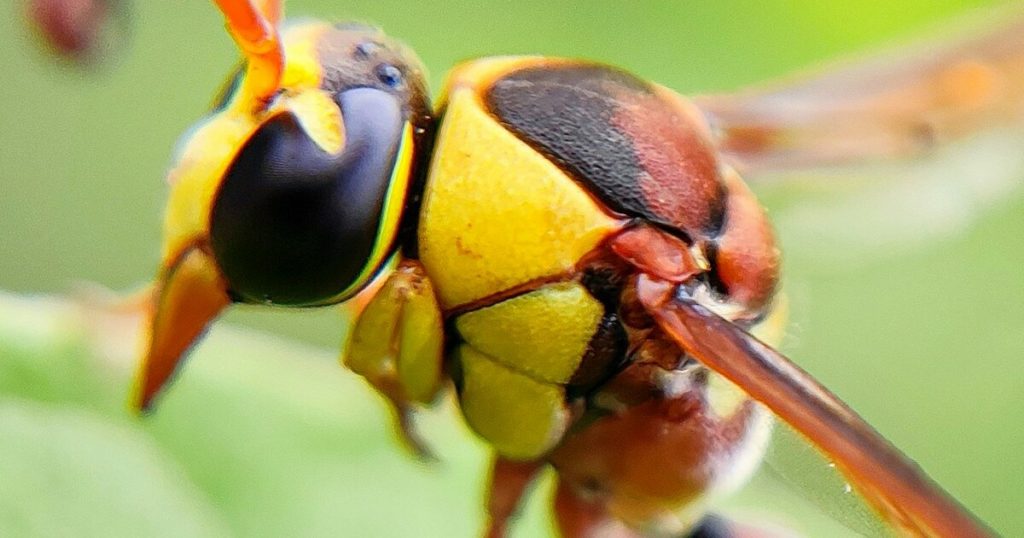
When you rely heavily on Japanese beetle traps, there’s a risk of becoming too dependent on this one method, which can be detrimental if it’s not effective. Overreliance on traps can lead to neglecting other, potentially more effective, strategies for managing Japanese beetles. For instance, introducing natural predators, such as birds or parasitic wasps, can be a more sustainable and effective way to control beetle populations without the drawbacks associated with traps.
It’s easy to get tunnel vision when you think you’ve found a solution, but diversification is key in pest management. By combining multiple methods—such as encouraging beneficial insects, using resistant plant varieties, and practicing good garden hygiene—you’re more likely to keep beetle populations under control without the need for traps. I’ve found that a well-rounded approach not only reduces pests but also promotes a healthier, more resilient garden overall.
Increased Beetle Populations
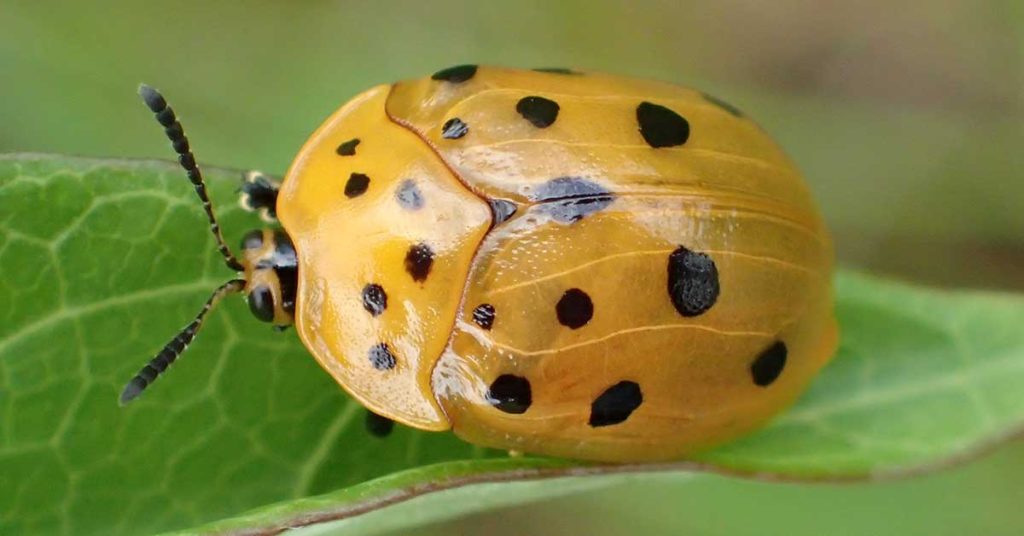
Ironically, by using Japanese beetle traps, you might actually be contributing to an increase in the overall beetle population in your area. When beetles are drawn to your garden from other locations, they might find your plants so appealing that they stick around and lay eggs. This can result in more larvae in your soil, leading to a larger beetle population in the following year. The last thing any gardener wants is to inadvertently boost the very pest population they’re trying to control!
I’ve learned the hard way that sometimes, the most obvious solution isn’t the best one. Instead of focusing on trapping beetles, consider methods that reduce their numbers over time. For example, applying milky spore to your lawn can help kill beetle grubs before they even emerge as adults. By addressing the problem at the root, you’re less likely to see those shiny pests in your garden next summer.
Traps Can Be Expensive

Another factor to consider is the cost of Japanese beetle traps. While a single trap might not break the bank, if you have a large garden or multiple infested areas, the costs can quickly add up. And remember, these traps need to be replaced regularly to remain effective, which means ongoing expenses throughout the beetle season. If you’re on a budget, this can become a significant financial burden without necessarily providing the results you’re hoping for.
I always recommend thinking about the long-term costs and benefits of any pest control method. In the case of Japanese beetle traps, the expense may not justify the limited results, especially when there are other, more cost-effective strategies available. Instead of continuously buying new traps, investing in sustainable solutions, like improving your garden’s ecosystem, can provide better protection for your plants and save you money in the long run.
Difficulty in Placement

Where you place Japanese beetle traps can make a huge difference in their effectiveness. The general advice is to place them far away from the plants you want to protect, but this isn’t always feasible depending on the layout of your garden. If you don’t have the space to place the traps at a sufficient distance, you could end up doing more harm than good. Beetles that are attracted to the trap but don’t get caught may simply find their way to your plants instead.
It’s frustrating to think that something as simple as trap placement can have such a big impact, but it’s true! If your garden is small or if your plants are densely packed, using traps might not be the best option. Instead, focus on other strategies, like companion planting or using row covers, which don’t require such precise placement and can be just as effective at protecting your plants from beetles.
Environmental Concerns

Environmental impact is another important consideration when it comes to Japanese beetle traps. The plastic components of these traps contribute to waste, and their widespread use can lead to significant environmental consequences. Additionally, if the traps are not disposed of properly, they can end up in landfills or even natural habitats, where they pose a risk to wildlife. As gardeners, we strive to work with nature, not against it, so it’s worth considering the broader implications of using such traps.
I’ve always believed in being a responsible steward of the environment, and that includes being mindful of the tools and methods I use in my garden. If you’re looking for more eco-friendly ways to manage Japanese beetles, consider options like using neem oil or planting beetle-resistant plants. These methods not only protect your garden but also align with a commitment to sustainability, ensuring that your gardening practices do no harm to the environment around you.
Better Alternatives Exist
Finally, it’s important to recognize that there are better alternatives to Japanese beetle traps. As much as we might want a quick fix, sometimes the best solutions take a little more effort but yield far greater rewards. Hand-picking beetles, for example, might seem tedious, but it can be incredibly effective when done consistently. Encouraging natural predators, like birds, or using beneficial nematodes to target beetle larvae are other strategies that offer longer-lasting control without the downsides of traps.
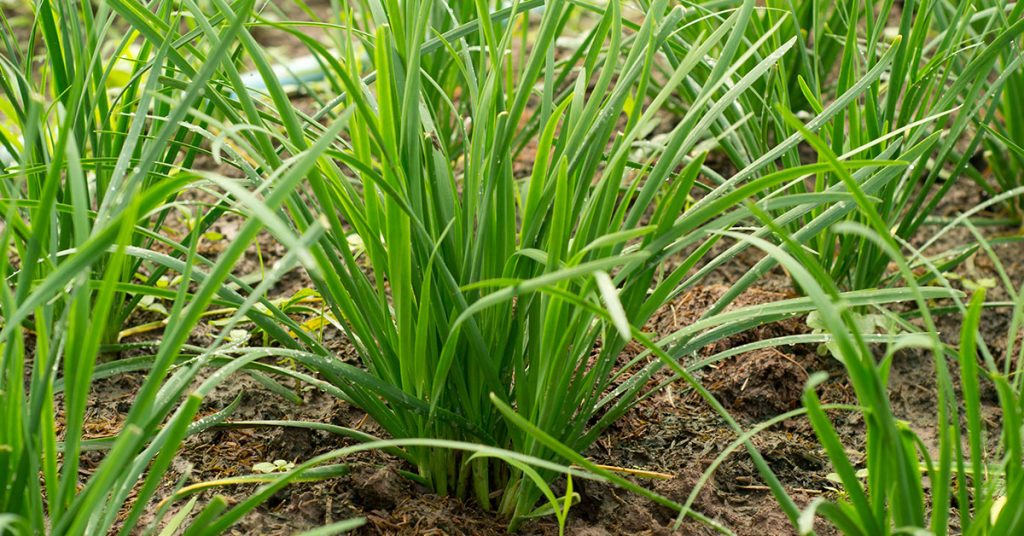
One of my favorite alternatives is companion planting, which involves growing plants that naturally repel Japanese beetles, such as garlic or chives, alongside your more vulnerable plants. Not only does this help deter beetles, but it also adds diversity and beauty to your garden. By exploring these alternative methods, you can protect your garden from Japanese beetles more effectively and with a lighter environmental footprint.