

September is such a magical time in the garden! The days are cooling, the light is softer, and there’s that delicious hint of autumn in the air. But even as the temperatures drop, watering your plants remains an essential task. It’s easy to think the cooler weather means you can slack off a bit, but I’m here to tell you: don’t be fooled! Proper watering in September is crucial to preparing your garden for the winter months ahead and ensuring that your plants stay healthy and vibrant as long as possible.
I get it; watering can feel like a chore, especially when you’ve already spent months caring for your plants. But hang in there with me! Whether you’re dealing with those thirsty tomatoes, prepping your lawn for a good soak before frost, or making sure your perennials are tucked in for winter, watering wisely now can save you a lot of headaches (and heartbreaks) come spring. So, let’s dig into some best practices for September watering that will have your garden thriving!
Water Deeply, Not Frequently

First things first, let’s talk about deep watering. One of the biggest mistakes I see gardeners make—especially in September—is watering too often but not deeply enough. This encourages plants to develop shallow roots, which leaves them more susceptible to stress from drought or frost. Instead, aim to water less frequently but more deeply. This encourages the roots to grow down deeper, making your plants more resilient in the face of cooler weather and the inevitable dry spells that can happen even in the fall.
And there’s a wonderful side effect to deep watering: it attracts earthworms! These little critters love moist soil, and their tunneling helps aerate the ground, allowing even more water and nutrients to reach those thirsty roots. Plus, if you’re like me and enjoy seeing wildlife in the garden, you’ll love watching the robins and other birds hunt for worms after a good soak. It’s all part of creating a thriving, balanced ecosystem right in your backyard!
Water Early in the Morning
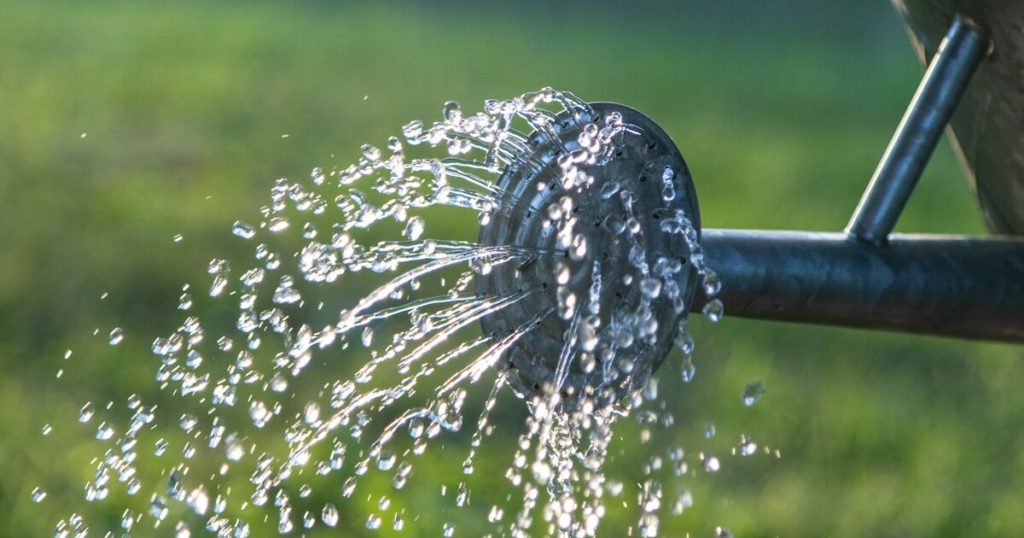
Timing is everything when it comes to watering, and the best time to water in September is early in the morning. Watering in the morning gives your plants a chance to absorb moisture before the sun gets too hot, reducing evaporation. It also helps prevent fungal diseases, which can thrive in damp, cool conditions overnight. I know how tempting it is to grab the hose after work, but trust me, your plants will be much happier if they get their drink first thing in the day.
And watering in the morning isn’t just great for your plants—it’s good for attracting beneficial insects too! Dew and early morning moisture are perfect for pollinators like bees and butterflies, which are more active in cooler temperatures. When you water early, you create a more inviting environment for these important garden helpers to stick around. I love stepping out in the morning and seeing all the life buzzing around a freshly watered garden!
Focus on the Roots
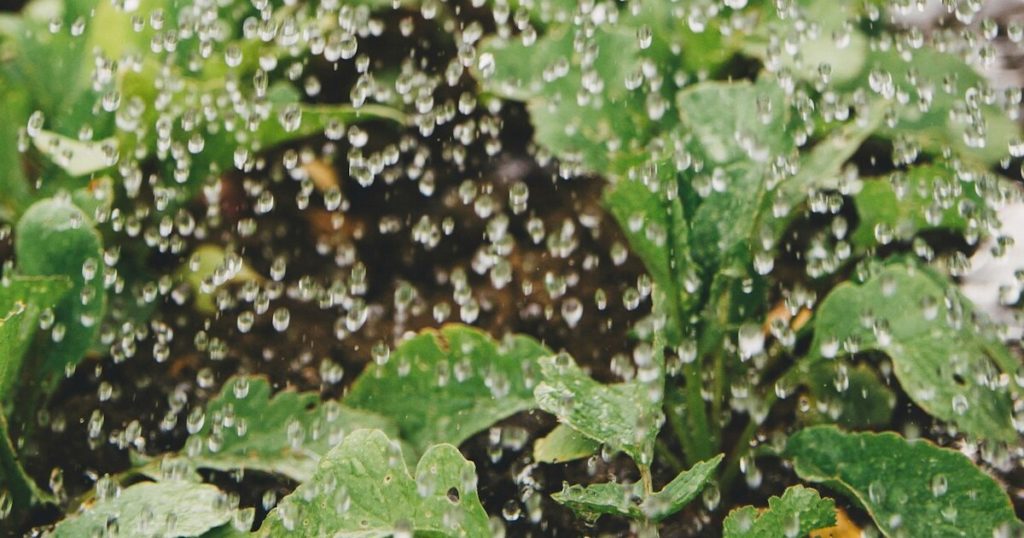
It’s easy to think that just spraying the leaves is enough, but when you water, make sure you’re focusing on the roots. This is where the plants actually take up the water they need. Watering the leaves can actually encourage diseases like powdery mildew or mold, especially in September when cooler nights and dew create the perfect conditions for these problems to flourish. Aim your hose or watering can at the base of the plants, and try to get the water right where the roots are.
Another reason to focus on the roots is that it encourages deep root growth, which we talked about earlier. Plants like lavender or rosemary, which are native to Mediterranean regions, are particularly drought-tolerant and thrive with deep watering. They are not invasive but can easily become stressed with too much water on their foliage. And, as a bonus, you’re less likely to see slugs and snails if you keep the leaves dry—these little pests love damp environments and can wreak havoc on your garden if given the chance!
Check Soil Moisture Levels

One of the best tips I can give you is to check the moisture level of your soil regularly. This might sound like a lot of work, but it’s super easy! Just stick your finger into the soil about two inches deep. If it feels dry at that depth, it’s time to water. This simple trick helps you avoid overwatering, which is such a common problem in September when the weather can be so unpredictable. Too much water can drown roots and wash away essential nutrients.
Checking soil moisture also helps you understand the unique needs of different plants. For instance, plants like succulents, which are native to arid regions, prefer their soil on the drier side. They’re not invasive but can quickly suffer from root rot if overwatered. On the flip side, moisture-loving plants like hydrangeas or astilbes need more frequent checks to ensure they’re not drying out. Knowing these differences can save you a lot of frustration—and your plants will love you for it!
Mulch to Retain Moisture

Let’s talk mulch! Mulching is one of my favorite gardening secrets because it does so much with so little effort. A good layer of mulch—like straw, wood chips, or even shredded leaves—helps retain moisture in the soil, reducing the need for frequent watering. It also moderates soil temperature, keeping roots cooler in the heat of the day and warmer during chilly nights. September is the perfect time to add or refresh your mulch layer as the weather starts to shift.
But mulch isn’t just great for moisture retention! It also creates a welcoming habitat for beneficial insects like ground beetles and spiders, which help keep pest populations down. And if you leave some mulch around plants like echinacea or black-eyed Susans, you’ll attract birds like finches and chickadees that love to hunt in the protective cover. Your garden becomes a haven for all kinds of wildlife, which is a beautiful bonus!
Adjust Watering for Different Plant Types

Not all plants are created equal when it comes to their watering needs! For example, perennials like hostas and ferns, which are native to woodlands, thrive in consistently moist conditions, while others, like thyme or sedum, prefer things a bit drier. If you’re growing a mix of different plants, try grouping those with similar watering needs together. This makes it easier to water them appropriately and ensures that each plant gets just the right amount of moisture.
This is especially important if you have native plants that support local wildlife. Native grasses, for instance, don’t usually need as much water as other ornamental plants, and overwatering can actually harm them. Meanwhile, native perennials like coneflowers or asters will appreciate more consistent moisture to keep blooming through fall. I’ve found that understanding each plant’s native habitat and natural behavior really helps in planning a more successful and sustainable watering routine!
Take Advantage of Rainfall

September can be a month of unpredictable weather, but that doesn’t mean you can’t make the most of it! Take advantage of any rainfall by placing rain barrels under your gutters to collect water for later use. Rainwater is naturally soft, free of chemicals, and at the perfect temperature for your plants. I love having a rain barrel because it makes watering feel like a gift from nature itself—plus, it’s an easy way to save on the water bill!
If you’re worried about mosquitoes breeding in your rain barrels, just add a few goldfish or mosquito dunks to keep them at bay. And don’t forget that rainwater can be a great draw for birds, especially in dry periods. Birds like robins and sparrows are more likely to visit your garden when there’s fresh water available, which means more natural pest control for you.