

September is here, and if you’re like me, you’re savoring every last bit of the growing season! But if you want your garden to keep producing into fall or to prepare for a glorious return next spring, fertilizing is key. Knowing what type of nutrients your plants need right now and how to provide them can make all the difference between a bountiful harvest and a lackluster yield. Trust me, I’ve had my fair share of learning moments (a.k.a. mistakes!) when it comes to fertilizing in September, so I’m excited to share some of my favorite tips with you.
This month is all about balance — you don’t want to encourage too much leafy growth when plants should be winding down, but you also want to give them just enough to keep them healthy. Let’s dive into some of the best fertilizing practices you can adopt this September to make sure your garden stays in top form, whether you’re nurturing perennials, coaxing late-bloomers, or prepping the soil for next season!
Focus on Organic Fertilizers for Soil Health
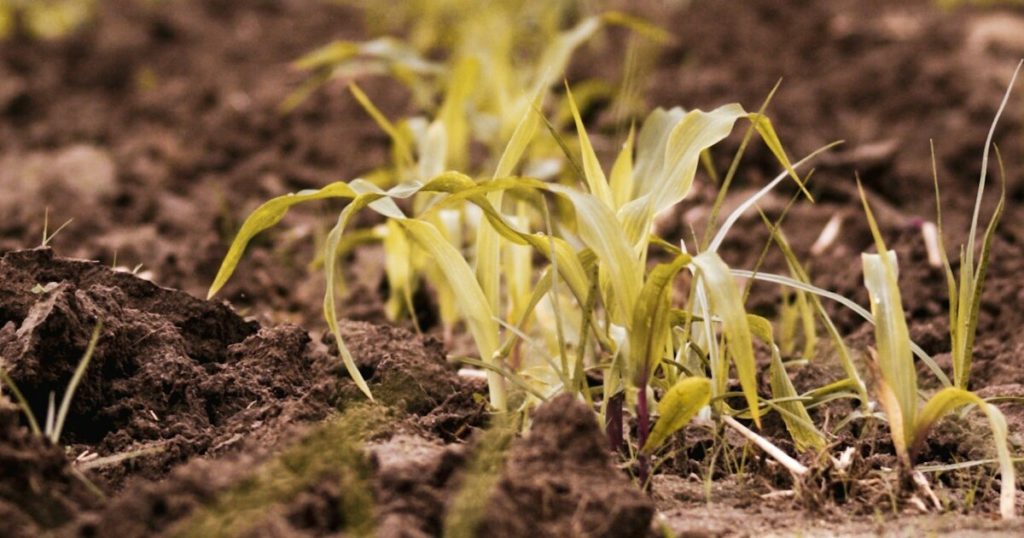
When it comes to fertilizing in September, I always recommend reaching for organic fertilizers. They’re packed with natural nutrients that break down slowly, feeding your plants over time and improving soil health as they go. Things like compost, bone meal, and seaweed extracts are excellent choices. The beauty of organic fertilizers is that they’re not just feeding your plants — they’re also feeding the microorganisms in the soil. These little helpers break down organic matter, improve soil structure, and even help ward off diseases. If you’ve ever felt frustrated by soil that seems to just refuse to cooperate, organic fertilizers might just be your new best friend!
Plus, many organic fertilizers are sustainably sourced, so you’re doing your bit for the planet too. Remember, we’re not just growing a garden — we’re nurturing a whole ecosystem! And here’s a pro tip: instead of dumping all your compost at once, spread it out in thin layers every few weeks. This way, your plants get a consistent supply of nutrients, and you avoid overwhelming them with too much all at once. Your garden will thank you for it!
Tailor Fertilizer to Plant Needs

One of the biggest mistakes I’ve made is thinking that all my plants needed the same thing. Oh, how wrong I was! Different plants have different needs, especially in September. For example, root vegetables like carrots and beets benefit from a fertilizer rich in potassium and phosphorus to encourage strong root development. On the other hand, leafy greens like kale and spinach might need a bit more nitrogen to maintain that lush, green growth. It’s so easy to forget this when you’re busy, but trust me, it’s worth taking a moment to consider each plant’s specific needs.
To make things simpler, I’ve started keeping a little garden journal with notes on what each type of plant seems to love — and when! It’s a small effort that pays off big time. And don’t worry if you’re just starting out and feeling overwhelmed; we’ve all been there. Begin with the basics: learn what nutrients your plants crave, and give them just that. Your plants will be healthier, and you’ll find yourself enjoying gardening even more!
Feed Your Perennials for Winter Survival
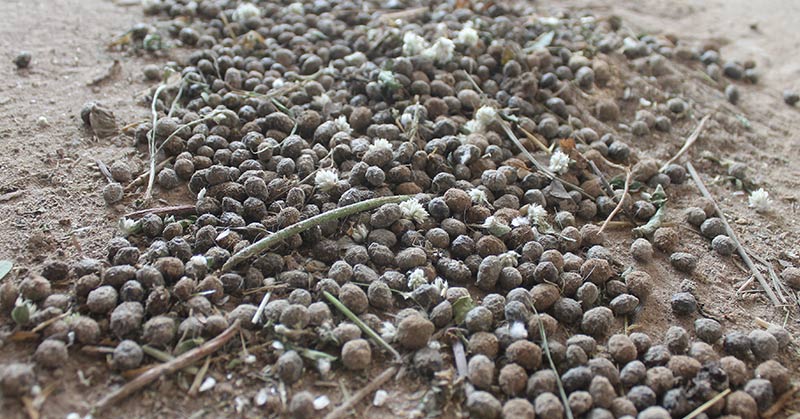
If you’re nurturing perennials in your garden, September is the time to give them a little extra TLC. Perennials, like peonies or daylilies, benefit from a slow-release fertilizer high in potassium. This will help them build strong root systems to survive the cold months ahead. I know it’s tempting to give them a heavy dose of nitrogen, hoping for more blooms before the frost, but resist the urge! Nitrogen promotes leafy growth, which isn’t what these plants need right now.
Instead, focus on the roots! I love thinking of it like tucking them into bed for the winter — they need the right kind of nourishment to stay healthy and come back strong in spring. And don’t forget to mulch around them after fertilizing. A layer of mulch will help retain moisture and keep those nutrients right where they’re needed most. Your perennials will reward you next year with vigorous growth and, hopefully, an explosion of blooms!
Consider a Final Boost for Your Vegetable Garden

For those of us still clinging to our summer crops, September can feel bittersweet. But don’t despair; with the right fertilization, you can squeeze a few more weeks out of your vegetable garden! Tomatoes, peppers, and cucumbers can all benefit from a light, balanced fertilizer to help them ripen any remaining fruit. Look for a fertilizer with a balanced N-P-K (Nitrogen-Phosphorus-Potassium) ratio — something like a 5-5-5 or 10-10-10. This will provide a steady supply of nutrients without encouraging too much new growth, which could be vulnerable to early frosts.
I’ve found that even just a light sprinkle around the base of your plants can make a big difference! It’s such a joy to pick those last ripe tomatoes knowing you’ve done everything you can to help them along. And if you’re growing cool-season crops like kale, broccoli, or cauliflower, a final dose of nitrogen can help them power through the cooler days ahead. Go ahead and give them that extra boost!
Be Cautious with Late-Season Lawn Fertilizing
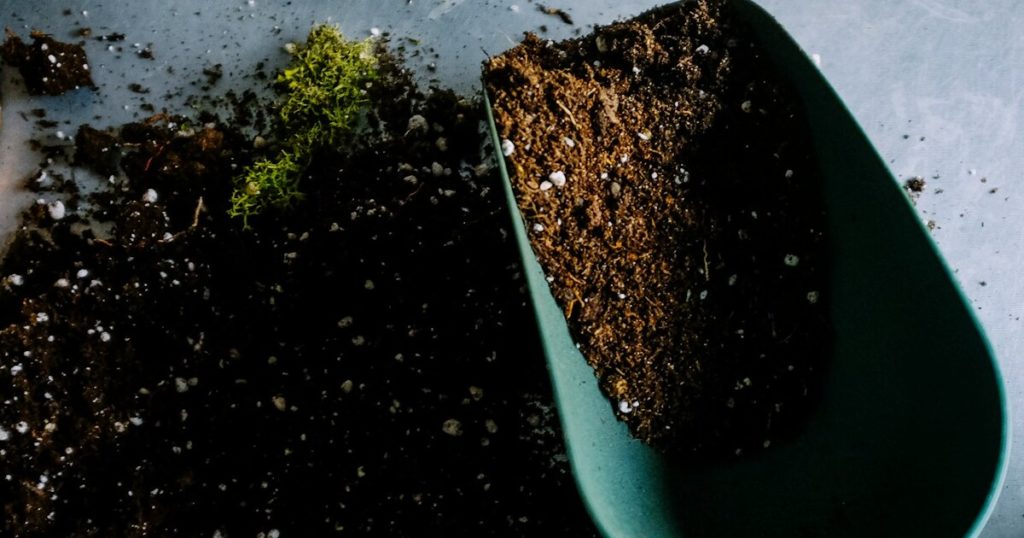
I know how tempting it is to give your lawn one last fertilizing push before winter sets in, especially if you’re looking at a few brown patches and thinking, “I know I can fix this!” But caution is key. Too much nitrogen this late in the season can actually harm your grass, making it more susceptible to frost damage. If you must fertilize, choose a product specifically formulated for fall, which typically has lower nitrogen and higher potassium content to promote root growth and winter hardiness.
It’s all about finding that sweet spot. I remember a season where I got a little overzealous with the nitrogen and ended up with lush, green growth — right before a frost turned it all brown! Lesson learned: give your lawn just enough to keep it healthy, but not so much that it overgrows and struggles when the cold hits.
Don’t Forget About Containers and Raised Beds
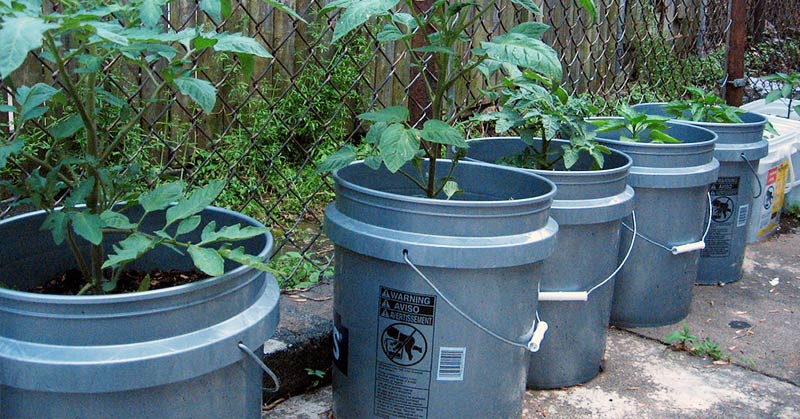
It’s easy to overlook our container plants and raised beds in the hustle and bustle of preparing for fall, but they need attention too! Because they dry out and deplete nutrients faster, these plants can benefit from a liquid feed every couple of weeks, even into September. Choose a balanced fertilizer to ensure they get all the essentials. I like to use a fish emulsion or seaweed extract, which is gentle enough to apply regularly without risking nutrient burn.
Containers and raised beds have their unique challenges, but they also have their perks. They’re easier to manage in terms of soil quality and pests, and a little extra fertilizer goes a long way. Keep feeding these plants well into the fall, and you might find they reward you with extended blooms or late harvests. It’s such a joy to see them thriving when the rest of the garden is winding down!
Prepare the Soil for Next Season

One of my favorite September tasks is preparing the soil for the next growing season. It’s all about laying the groundwork now to make your spring planting a breeze! Start by adding a layer of compost or well-rotted manure to enrich the soil. This is also a great time to add amendments like lime or sulfur, depending on your soil’s pH needs. Think of it like giving your garden a head start for next year!
Not only does this boost soil fertility, but it also helps with moisture retention and improves soil structure. Trust me, your future self will thank you when spring comes, and your soil is already in tip-top shape! And don’t worry about overdoing it — your soil is like a sponge right now, soaking up all those nutrients to nourish next year’s growth. So go ahead and indulge it a bit!
Watch Out for Weeds After Fertilizing
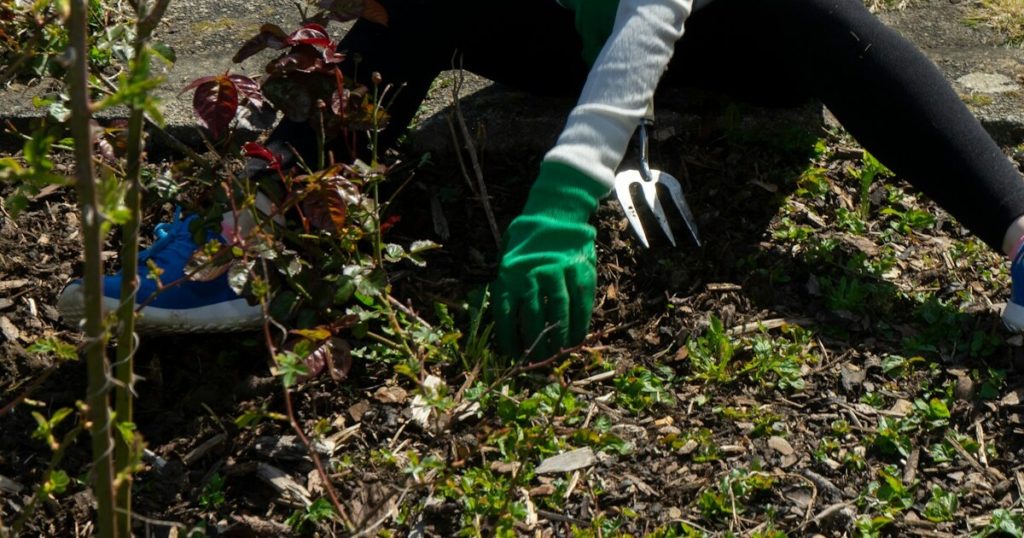
I know, I know — you’re probably groaning at the thought of more weeding. But trust me, it’s important! Fertilizing can also give weeds an unintended boost, especially in the cooler, wetter weather of fall. Weeds like dandelions and chickweed are particularly pesky, and they’ll jump at any chance to steal those nutrients from your plants. So, take a little time after fertilizing to do a final weed pull. I promise it’s worth the effort!
Pulling weeds now prevents them from setting seeds and becoming an even bigger headache next year. And there’s something so satisfying about knowing your plants are getting all the nutrients they need, without any sneaky weeds getting in the way! So grab those gloves and get to it — your garden will thank you for it later.