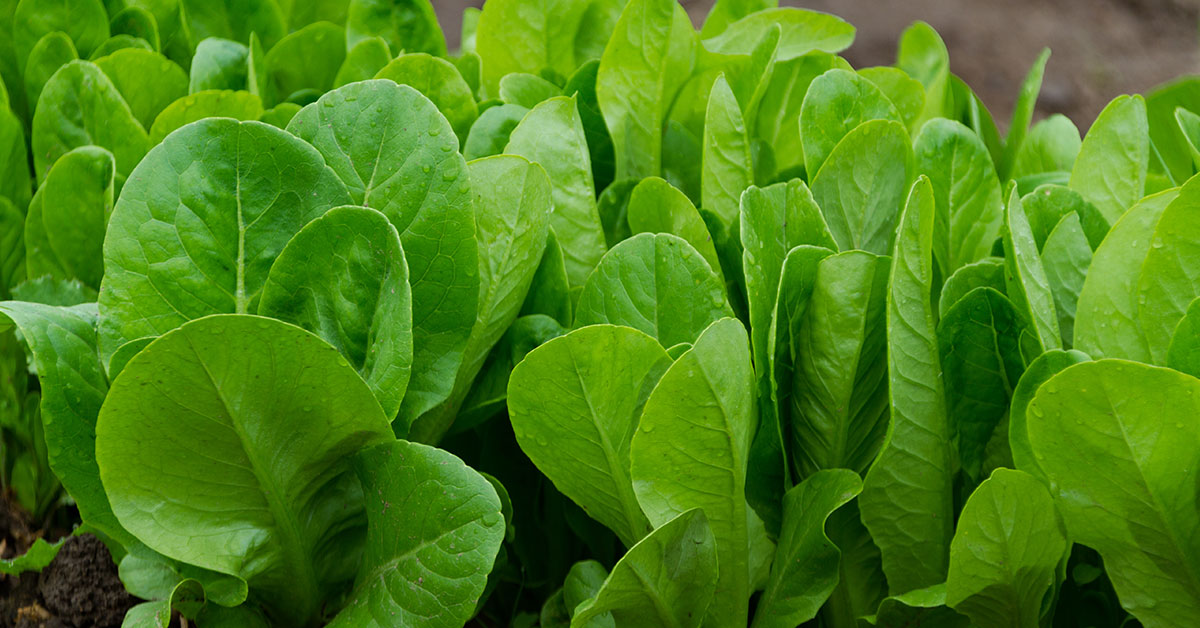

Spinach, a leafy green vegetable packed with essential nutrients, has long been hailed as a nutritional powerhouse. Whether you are a seasoned gardener or a novice plant enthusiast, understanding the importance of proper fertilization is crucial to ensure the optimal growth and yield of your spinach crop. With a plethora of fertilizer options available, it can be overwhelming to determine which one is the best fertilizer for spinach plants.
In this article, we will delve into the world of fertilizers, exploring the key nutrients spinach requires, the different types of fertilizers available, and ultimately, identifying the best fertilizer to promote robust growth, vibrant foliage, and a bountiful harvest of this versatile and nutritious green.
Does spinach need to be fertilized?
Spinach plants do require fertilization for optimal growth. Fertilizers provide essential nutrients that spinach plants need to develop healthy leaves and promote vigorous growth. Nitrogen, phosphorus, and potassium are the primary nutrients needed by spinach plants, but they also require secondary nutrients like calcium, magnesium, and sulfur, as well as micronutrients such as iron, manganese, and zinc.
Applying a balanced fertilizer specifically formulated for leafy greens or a general-purpose fertilizer with a ratio of 10-10-10 can help meet the nutritional needs of spinach plants. It is important to follow the manufacturer’s instructions for application rates and frequency to avoid over-fertilization, which can lead to nutrient imbalances or burn the plants.
The best fertilizer for spinach
The best fertilizer for growing spinach is one that is high in nitrogen. Spinach is a leafy green vegetable that requires a lot of nitrogen to promote healthy leaf growth. A balanced fertilizer with a ratio of 10-10-10 or 14-14-14 is suitable for spinach. Additionally, organic fertilizers such as compost or well-rotted manure can also be beneficial for spinach plants. It is important to follow the manufacturer’s instructions for application rates and frequency to avoid over-fertilization, which can lead to nutrient imbalances or burn the plants.
When to fertilize spinach
The ideal time to fertilize spinach plants is before planting and during the growing season. Before planting, it is recommended to incorporate well-rotted compost or organic matter into the soil to provide essential nutrients. This can be done a few weeks prior to planting.
During the growing season, spinach plants can benefit from a balanced fertilizer application. It is best to apply a nitrogen-rich fertilizer, such as one with a higher first number in the N-P-K ratio (e.g., 10-10-10 or 20-10-10), to promote leafy growth. Fertilizing every 4-6 weeks can help maintain healthy growth and productivity.
However, it is important to note that spinach is a cool-season crop, and excessive nitrogen fertilization can lead to rapid growth and bolting (premature flowering and seed production). To avoid this, it is recommended to use a slow-release or organic fertilizer, which releases nutrients gradually over time.
Always follow the instructions on the fertilizer packaging and avoid over-fertilizing, as it can cause nutrient imbalances and harm the plants. Additionally, it is advisable to conduct a soil test to determine the specific nutrient requirements of your spinach plants and adjust the fertilizer application accordingly.
Common issues with fertilizing spinach
When fertilizing spinach, several common issues or problems can arise:
- Nitrogen deficiency: Spinach requires a sufficient amount of nitrogen for healthy growth and leaf development. If the plant lacks nitrogen, the leaves may turn pale green or yellowish. To address this issue, apply a nitrogen-rich fertilizer, such as a balanced organic fertilizer or a slow-release nitrogen fertilizer, following the manufacturer’s instructions.
- Phosphorus deficiency: Inadequate phosphorus can lead to stunted growth and poor root development in spinach plants. Symptoms include purplish leaves and slow growth. To rectify this deficiency, use a fertilizer with a higher phosphorus content or add bone meal or rock phosphate to the soil.
- Potassium deficiency: Insufficient potassium can result in weak plants, yellowing leaves, and reduced resistance to diseases and pests. To address this issue, use a fertilizer with a higher potassium content or add potassium sulfate or wood ash to the soil.
- Over-fertilization: Applying excessive amounts of fertilizer can cause harm to spinach plants. It can lead to nutrient burn, where the roots and leaves suffer damage due to high concentrations of salts in the soil. Symptoms include brown or yellow leaf edges and wilting. To prevent over-fertilization, always follow the recommended dosage on the fertilizer packaging and avoid applying fertilizer too close to the plant’s stem.
- Imbalanced nutrient ratios: Using a fertilizer with imbalanced nutrient ratios can lead to nutrient deficiencies or toxicities. It is crucial to choose a fertilizer specifically formulated for leafy greens or follow a soil test recommendation to ensure the correct nutrient balance.
- Environmental factors: Fertilizer effectiveness can be affected by environmental conditions such as temperature, rainfall, and soil pH. Extreme temperatures or heavy rainfall can leach nutrients from the soil, requiring additional fertilizer applications. Additionally, spinach prefers a slightly acidic soil pH between 6.0 and 7.0 for optimal nutrient uptake. Conducting a soil test can help determine if any adjustments are needed.
Regular monitoring of the plants, observing their growth, and addressing any nutrient deficiencies or imbalances promptly can help maintain healthy spinach plants and maximize their productivity.