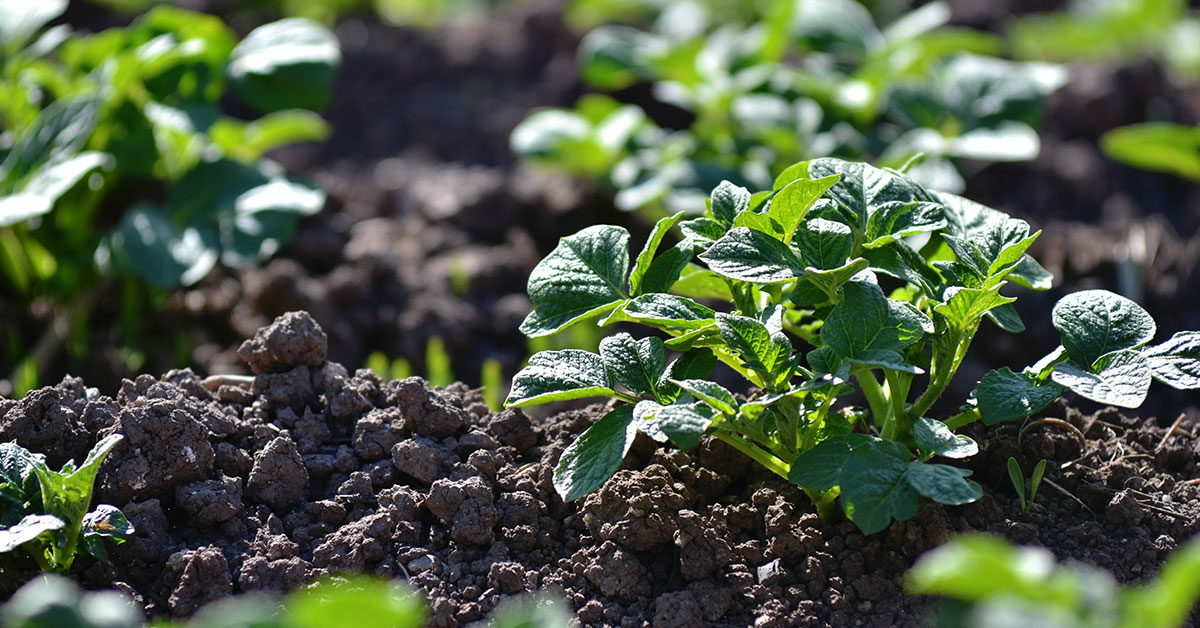

Potatoes, with their versatile culinary uses and nutritional value, are a staple crop in many households and agricultural industries. To ensure a bountiful harvest of these starchy tubers, it is crucial to provide them with the right nutrients throughout their growth cycle. Fertilizers play a vital role in supplying essential elements to the soil, promoting healthy plant development, and maximizing potato yields. However, with a plethora of fertilizer options available, choosing the best fertilizer for potatoes can be a daunting task.
In this article, we will explore the various factors to consider when selecting a fertilizer, discuss the specific nutrient requirements of potatoes, and highlight some of the best fertilizer options that can help you achieve a thriving potato crop. Whether you are a seasoned gardener or a novice potato enthusiast, this guide will equip you with the knowledge to make informed decisions and optimize your potato-growing success.
Do potatoes need to be fertilized?
Yes, potato plants do require fertilization for optimal growth. Fertilizers provide essential nutrients that are necessary for the plant’s development and productivity. Potatoes are heavy feeders, meaning they require a good amount of nutrients to produce healthy foliage and tubers.
When fertilizing potato plants, it is important to provide a balanced fertilizer that contains nitrogen (N), phosphorus (P), and potassium (K). Nitrogen promotes leafy growth, phosphorus supports root development and tuber formation, and potassium enhances overall plant health and disease resistance. It is recommended to apply fertilizer before planting and during the growing season. Before planting, incorporate a slow-release organic fertilizer or well-rotted compost into the soil to provide a steady supply of nutrients.
During the growing season, side-dress the plants with a balanced fertilizer, following the manufacturer’s instructions for application rates. Remember to monitor the plants for any signs of nutrient deficiencies or excesses. Adjust the fertilization program accordingly to maintain a healthy balance and promote optimal growth and yield.
The best fertilizer for potatoes
The best fertilizer for growing potatoes is one that is high in potassium and phosphorus, as these nutrients are essential for promoting healthy root and tuber development. A balanced fertilizer with an NPK ratio of 10-10-10 or 14-14-14 is generally recommended for potatoes.
Additionally, organic matter such as compost or well-rotted manure can be beneficial for improving soil fertility and structure. Incorporating organic matter into the soil before planting potatoes can provide a slow-release source of nutrients and enhance moisture retention.
It’s important to note that the specific fertilizer requirements may vary depending on the soil conditions and the potato variety being grown. Conducting a soil test can help determine the exact nutrient needs of your potato plants and guide you in selecting the appropriate fertilizer.
When to fertilize potatoes
The ideal time to fertilize potato plants is before planting, at planting time, and during the growing season. Here’s a breakdown of when to fertilize potatoes:
- Before planting: Prepare the soil by incorporating organic matter, such as compost or well-rotted manure, into the planting area. This will provide a good foundation of nutrients for the potato plants.
- At planting time: Prior to planting the potato seed pieces, you can apply a balanced fertilizer with a ratio like 10-10-10 or 14-14-14. This will provide the initial nutrients needed for the young plants to establish themselves.
- During the growing season: Potatoes benefit from regular fertilization throughout their growing period. Start by side-dressing the plants with a nitrogen-rich fertilizer, such as blood meal or fish emulsion, when they are about 6-8 inches tall. Apply the fertilizer along the sides of the rows, keeping it a few inches away from the plant stems. Repeat this process every 4-6 weeks until the plants start flowering.
It’s important to note that the specific fertilizer and application rates may vary depending on your soil conditions and the fertilizer product you choose. Always follow the instructions on the fertilizer packaging and adjust the amounts accordingly. Additionally, it’s a good practice to conduct a soil test to determine any specific nutrient deficiencies and adjust your fertilization plan accordingly.
Common issues with fertilizing potatoes
When fertilizing potatoes, there are a few common issues or problems that can arise:
- Over-fertilization: Applying too much fertilizer can lead to excessive vegetative growth and reduced tuber development. It can also increase the risk of nutrient imbalances and environmental pollution. It’s important to follow the recommended application rates and timings.
- Nutrient deficiencies: Insufficient or imbalanced fertilization can result in nutrient deficiencies in potatoes. Common deficiencies include nitrogen (N), phosphorus (P), potassium (K), magnesium (Mg), and micronutrients like iron (Fe) and zinc (Zn). Regular soil testing can help identify deficiencies and guide appropriate fertilizer application.
- Nitrogen burn: Applying excessive nitrogen fertilizer, especially in concentrated forms, can cause nitrogen burn. This appears as yellowing or browning of the leaves, stunted growth, and reduced yield. It’s crucial to follow proper application techniques and use slow-release nitrogen sources.
- pH imbalance: Potatoes prefer slightly acidic soil with a pH range of 5.0 to 6.0. Fertilizers with high acidity or alkalinity can affect the soil pH, leading to nutrient availability issues. Regular soil testing helps monitor pH levels and determine the need for pH adjustments.
- Environmental impact: Improper fertilization practices can contribute to environmental pollution. Excessive fertilizer runoff can contaminate water bodies, causing eutrophication and harming aquatic life. It’s important to follow local regulations, use environmentally friendly fertilizers, and apply them responsibly.
To avoid these issues, it’s recommended to conduct soil tests, follow fertilizer recommendations based on the specific needs of potatoes, and apply fertilizers evenly and at the appropriate times during the growing season. Additionally, using organic fertilizers and practicing sustainable gardening techniques can help minimize negative impacts on the environment.