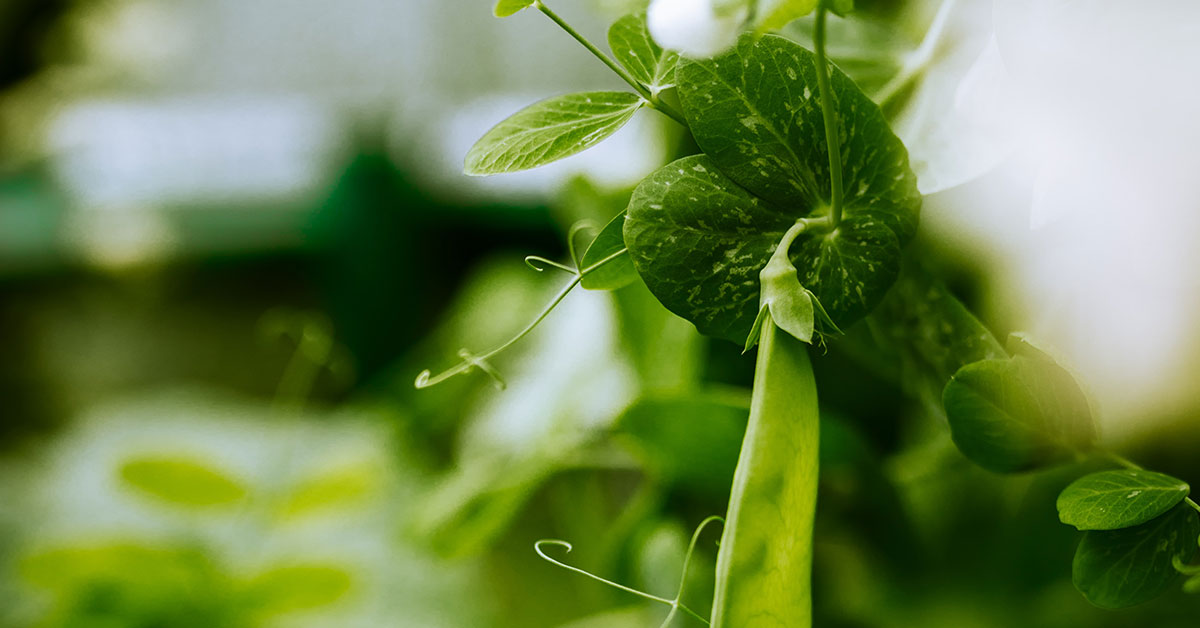

Peas, with their delicate tendrils and vibrant green pods, are a beloved addition to any garden. Whether you’re growing them for their sweet, crisp taste or as a nitrogen-fixing cover crop, providing the right nutrients is crucial for their healthy growth and abundant yields. Choosing the best fertilizer for peas can be a daunting task, as there are numerous options available on the market.
In this article, we will delve into the world of pea fertilizers, exploring the different types, their nutrient compositions, and the specific needs of pea plants. By understanding the unique requirements of peas and selecting the most suitable fertilizer, you can ensure that your pea plants thrive and reward you with a bountiful harvest.
Do peas need to be fertilized?
Peas do require fertilization for optimal growth. Like all plants, peas need essential nutrients to thrive and produce a healthy crop. Fertilizers provide these nutrients, which are necessary for the development of strong roots, vigorous growth, and abundant flowering and fruiting. Peas are particularly heavy feeders of nitrogen, so it is important to provide them with a nitrogen-rich fertilizer.
Nitrogen is crucial for promoting leafy growth and enhancing the plant’s ability to produce energy through photosynthesis. A lack of nitrogen can result in stunted growth and reduced yields. To fertilize peas, you can use either organic or synthetic fertilizers. Organic options include well-rotted compost, aged manure, or organic fertilizers specifically formulated for vegetables.
Synthetic fertilizers, on the other hand, are typically granular or liquid and contain specific ratios of nitrogen (N), phosphorus (P), and potassium (K), as well as other micronutrients. It is best to apply fertilizer before planting peas or during their early growth stages. This allows the plants to establish a strong root system and develop healthy foliage. Follow the instructions on the fertilizer packaging for the recommended application rates and frequency.
Remember to water the plants thoroughly after fertilizing to help the nutrients reach the roots. Additionally, monitor the plants for any signs of nutrient deficiencies or excesses, such as yellowing leaves or stunted growth, and adjust your fertilization practices accordingly. Overall, providing peas with the right nutrients through fertilization will help ensure optimal growth, healthy plants, and a bountiful harvest.
The best fertilizer for peas
The best fertilizer for growing peas is one that is high in phosphorus and potassium, but relatively low in nitrogen. Peas are legumes, which means they have the ability to fix nitrogen from the air with the help of nitrogen-fixing bacteria in their root nodules. Therefore, they do not require as much nitrogen as other plants.
A balanced fertilizer with an N-P-K ratio of 5-10-10 or 10-20-20 would be suitable for peas. This means the fertilizer contains 5% or 10% nitrogen, 10% or 20% phosphorus, and 10% or 20% potassium. The higher phosphorus and potassium levels promote healthy root development, flowering, and fruiting.
Alternatively, you can also use organic fertilizers such as compost or well-rotted manure, which provide a slow release of nutrients to the plants. These organic options not only nourish the plants but also improve soil structure and fertility over time.
It’s important to follow the instructions on the fertilizer package and apply it according to the recommended rates. Additionally, remember to water the plants well after applying fertilizer to ensure the nutrients are properly absorbed by the roots.
When to fertilize peas
The ideal time to fertilize Peas plants is before planting, during the preparation of the soil. Peas are considered nitrogen-fixing plants, which means they have the ability to convert atmospheric nitrogen into a usable form with the help of beneficial bacteria in their root nodules. Therefore, they do not require heavy fertilization during their growth.
However, if you have poor soil or want to give your Peas an extra boost, you can apply a balanced fertilizer or compost to the soil before planting. This will provide some additional nutrients to support their growth. It is important to avoid over-fertilization, as excessive nitrogen can lead to excessive foliage growth and reduced pod production.
If you notice any signs of nutrient deficiency during the growing season, such as yellowing leaves or stunted growth, you can apply a side-dressing of a balanced fertilizer around the base of the plants. Be sure to follow the instructions on the fertilizer package and avoid getting it directly on the foliage or pods.
Overall, Peas are relatively low-maintenance plants when it comes to fertilization. Providing them with well-prepared soil and ensuring they have access to sufficient moisture is usually enough to support healthy growth and a bountiful harvest.
Common issues with fertilizing peas
When fertilizing peas, there are a few common issues or problems that can arise. These include:
- Nitrogen imbalance: Peas are legumes, which means they have the ability to fix nitrogen from the atmosphere with the help of nitrogen-fixing bacteria in their root nodules. Therefore, they generally do not require high levels of nitrogen fertilizer. Over-fertilizing with nitrogen can lead to excessive vegetative growth at the expense of pod development. It is important to use a balanced fertilizer or one with a lower nitrogen content when fertilizing peas.
- Phosphorus deficiency: Peas have a higher demand for phosphorus, especially during their early growth stages. A lack of phosphorus can result in stunted growth, delayed flowering, and reduced pod development. To prevent phosphorus deficiency, it is advisable to use a fertilizer with a higher phosphorus content or incorporate phosphorus-rich organic matter, such as bone meal or rock phosphate, into the soil before planting.
- Over-fertilization: Applying too much fertilizer, whether it is nitrogen, phosphorus, or potassium, can cause harm to pea plants. Excessive fertilizer can lead to fertilizer burn, where the roots and foliage get damaged due to the high concentration of salts in the soil. It is crucial to follow the recommended dosage and application instructions provided by the fertilizer manufacturer.
- Improper timing: Timing is important when fertilizing peas. Applying fertilizer too early in the growing season when the plants are still establishing their root system may result in nutrient leaching or runoff, leading to wasted fertilizer and potential environmental pollution. It is best to wait until the plants have developed a strong root system before applying fertilizer.
- Soil pH imbalance: Peas prefer slightly acidic to neutral soil conditions, with a pH range of 6.0 to 7.5. If the soil pH is too high or too low, it can affect nutrient availability to the plants, even if the nutrients are present in the soil. Before fertilizing, it is recommended to test the soil pH and adjust it if necessary using appropriate amendments, such as sulfur to lower pH or lime to raise pH.
To avoid these issues, it is always beneficial to conduct a soil test before fertilizing peas. This will provide valuable information about the nutrient levels and pH of the soil, allowing for targeted and appropriate fertilizer application. Additionally, following the recommended fertilizer application rates and timing, as well as using organic fertilizers or compost, can help maintain healthy and productive pea plants.