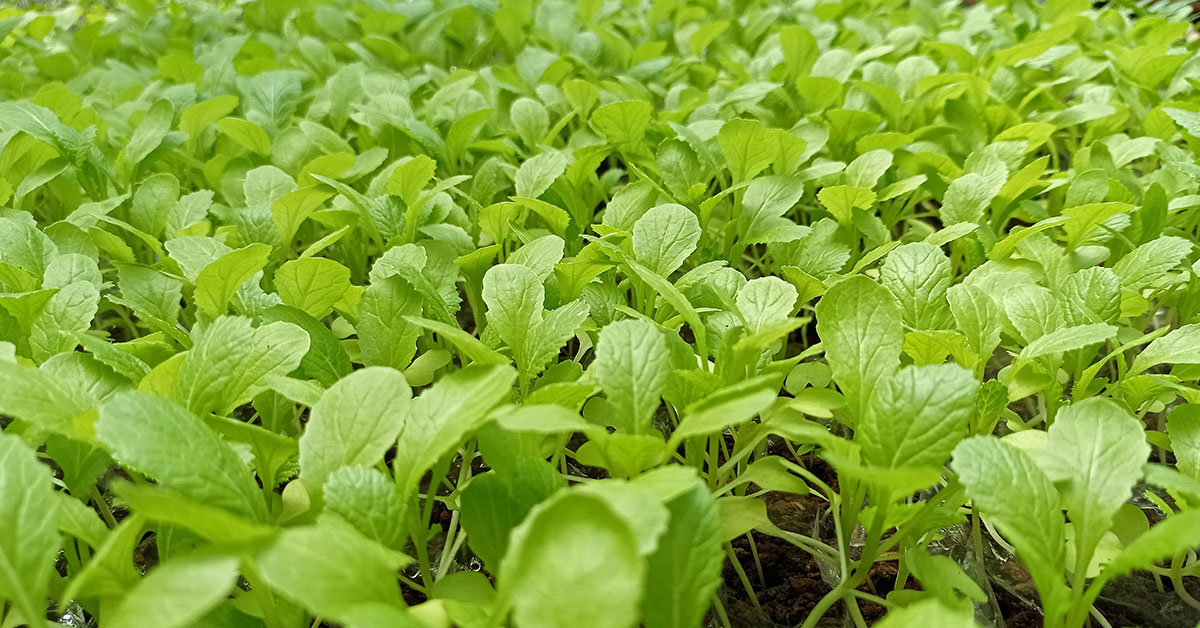

Mustard greens, with their vibrant green leaves and peppery flavor, are a popular choice among home gardeners and culinary enthusiasts alike. To ensure a bountiful harvest and robust growth, it is crucial to provide these leafy vegetables with the right nutrients. While mustard greens are relatively low-maintenance, choosing the best fertilizer can make a significant difference in their overall health and productivity. In this article, we will explore the various types of fertilizers available for mustard greens, their specific nutritional requirements, and provide recommendations for the best fertilizer options to help you achieve thriving mustard greens in your garden. Whether you are a seasoned gardener or a beginner, this comprehensive guide will equip you with the knowledge needed to nourish your mustard greens and enjoy a plentiful harvest.
Do mustard greens need to be fertilized?
Mustard greens plants benefit from fertilization for optimal growth. Providing the right nutrients can help promote healthy foliage, vigorous growth, and a higher yield. Mustard greens are heavy feeders, meaning they require a good amount of nutrients to thrive. Before planting, it is recommended to incorporate well-rotted compost or aged manure into the soil to improve its fertility. This will provide a slow-release source of nutrients throughout the growing season.
Additionally, mustard greens respond well to balanced fertilizers, such as a 10-10-10 or 14-14-14, which provide equal amounts of nitrogen (N), phosphorus (P), and potassium (K). When applying fertilizer, it is important to follow the instructions on the package and avoid over-fertilization, as this can lead to excessive foliage growth and reduced flavor. It is generally recommended to side-dress mustard greens with a balanced fertilizer about 3-4 weeks after planting, and then again every 4-6 weeks throughout the growing season.
Regular watering is also crucial for the uptake of nutrients by the plants. Ensure that the soil remains consistently moist but not waterlogged, as excessive moisture can lead to root rot. Mulching around the plants can help retain soil moisture and reduce weed competition. Monitoring the plants for any signs of nutrient deficiencies, such as yellowing leaves or stunted growth, can also guide you in adjusting the fertilization schedule or nutrient levels.
The best fertilizer for mustard greens
For growing Mustard greens, a balanced fertilizer with a ratio of 10-10-10 or 14-14-14 is generally recommended. This means the fertilizer contains equal amounts of nitrogen (N), phosphorus (P), and potassium (K).
Mustard greens are leafy vegetables that require a good amount of nitrogen for healthy leaf growth. Phosphorus is important for root development and overall plant vigor, while potassium helps with disease resistance and overall plant health.
In addition to the NPK ratio, it’s also beneficial to choose a fertilizer that contains micronutrients like iron, manganese, zinc, and boron. These micronutrients are essential for the overall growth and development of the Mustard greens.
When applying the fertilizer, follow the instructions on the package for the correct dosage and frequency. It’s important not to over-fertilize, as this can lead to nutrient imbalances and potential damage to the plants. Always water the plants after applying the fertilizer to help it reach the root zone effectively.
Remember to also consider the soil quality and pH level when choosing a fertilizer. Mustard greens prefer a slightly acidic soil with a pH range of 6.0 to 6.8. If your soil pH is outside this range, you may need to adjust it using soil amendments or pH adjusters.
Overall, a balanced fertilizer with micronutrients, applied according to the instructions, will provide the necessary nutrients for healthy Mustard green growth.
When to fertilize mustard greens
The ideal time to fertilize Mustard greens plants is before planting or during the early stages of growth. Mustard greens are fast-growing leafy vegetables that benefit from a nutrient-rich soil right from the start. Before planting, you can incorporate well-rotted compost or organic matter into the soil to provide a good foundation of nutrients.
Once the plants have established themselves and started to grow, you can apply a balanced fertilizer with equal amounts of nitrogen (N), phosphorus (P), and potassium (K). A general recommendation is to use a slow-release granular fertilizer or a liquid fertilizer diluted according to the package instructions. Apply the fertilizer around the base of the plants, being careful not to let it touch the leaves to avoid burning them.
It’s important to note that mustard greens have a relatively short growing season, so it’s crucial to provide them with adequate nutrition early on to support their rapid growth and development. Regularly monitor the plants for any signs of nutrient deficiency or excess, and adjust your fertilization schedule accordingly.
Common issues with fertilizing mustard greens
When fertilizing Mustard greens, several common issues or problems can arise:
- Over-fertilization: Applying too much fertilizer can lead to nutrient imbalances and burn the plants. It can cause excessive vegetative growth, weak stems, and reduced fruit or seed production.
- Under-fertilization: Insufficient fertilization can result in nutrient deficiencies, stunted growth, and poor yields. Mustard greens require a steady supply of nutrients to thrive, so it’s important to provide adequate fertilization.
- Improper nutrient ratios: Mustard greens require a balanced supply of macronutrients (nitrogen, phosphorus, and potassium) as well as micronutrients (iron, manganese, zinc, etc.). Using a fertilizer with an imbalanced nutrient ratio can lead to deficiencies or toxicities, affecting the overall health and productivity of the plants.
- Incorrect timing of fertilization: Timing is crucial when fertilizing Mustard greens. Applying fertilizer too early or too late in the growing season can disrupt the plant’s growth cycle and yield potential. It’s important to follow the recommended fertilization schedule for Mustard greens to ensure optimal nutrient uptake.
- Poor soil drainage: Mustard greens prefer well-draining soil. If the soil is compacted or retains excessive moisture, it can lead to root rot and nutrient uptake issues. Before fertilizing, ensure that the soil is well-drained and aerated to prevent waterlogging.
- Lack of organic matter: Mustard greens benefit from organic matter in the soil, as it improves soil structure, water retention, and nutrient availability. If the soil lacks organic matter, the plants may struggle to absorb nutrients efficiently, resulting in stunted growth and poor yields.
To avoid these problems, it is recommended to conduct a soil test before fertilizing to determine the nutrient levels and pH of the soil. This will help in selecting the appropriate fertilizer and adjusting nutrient ratios accordingly. Additionally, following the recommended fertilization rates and schedule, providing adequate water, and maintaining proper soil drainage will contribute to healthy and productive Mustard greens.