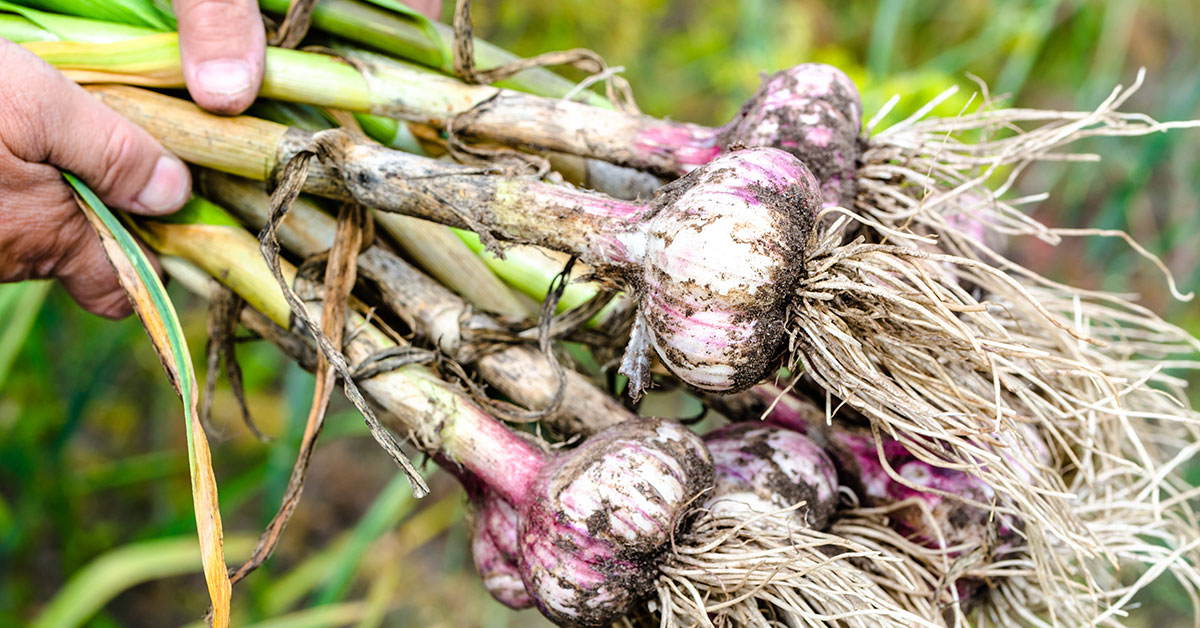

Garlic, with its pungent aroma and distinct flavor, has been a staple in culinary traditions around the world for centuries. Whether you are a seasoned gardener or a novice, growing your own garlic can be a rewarding and satisfying experience. However, to ensure a bountiful harvest of plump, flavorful bulbs, it is essential to provide your garlic plants with the right nutrients. Choosing the best fertilizer for garlic is crucial in promoting healthy growth, enhancing disease resistance, and maximizing flavor.
In this article, we will explore the various types of fertilizers available for garlic cultivation, their specific nutrient requirements, and offer recommendations on the most effective fertilizers to help you achieve a thriving garlic crop.
Does garlic need to be fertilized?
Garlic plants do require fertilization for optimal growth. Like most plants, garlic plants need essential nutrients to thrive and produce healthy bulbs. Fertilizing garlic plants helps provide these nutrients and promotes vigorous growth. Before planting garlic, it is recommended to prepare the soil by adding organic matter such as compost or well-rotted manure.
This helps improve soil fertility and drainage. Additionally, incorporating a balanced fertilizer into the soil can provide the necessary nutrients for garlic plants. During the growing season, garlic plants can benefit from additional fertilization. Applying a nitrogen-rich fertilizer, such as one with a higher first number in the N-P-K ratio, can help promote leafy growth.
However, it is important to avoid excessive nitrogen, as it can lead to excessive foliage growth and smaller bulb development. Around four to six weeks after planting, when the garlic plants have established their root systems, a side-dressing of a balanced fertilizer can be applied. This can be done by sprinkling the fertilizer around the base of the plants and gently working it into the soil. This additional feeding helps support bulb development. It is important to follow the recommended application rates and timing provided by the fertilizer manufacturer.
Over-fertilizing can lead to nutrient imbalances, burning of the plants, or environmental pollution. Regular watering and maintaining consistent soil moisture levels are also crucial for the proper uptake and utilization of nutrients by garlic plants. Overall, fertilization plays a vital role in the growth and development of garlic plants, helping them produce healthy bulbs with good flavor and storage qualities.
The best fertilizer for garlic
The best fertilizer for growing garlic is one that is high in nitrogen, as garlic plants require a good amount of nitrogen to develop healthy foliage and bulb growth. Organic fertilizers such as compost, well-rotted manure, or fish emulsion are excellent choices. These organic options not only provide nitrogen but also enrich the soil with essential nutrients and improve its overall structure.
Before planting garlic, incorporate the chosen organic fertilizer into the soil, ensuring it is well-mixed and evenly distributed. This will provide a slow-release source of nutrients throughout the growing season. Additionally, side-dressing the garlic plants with compost or well-rotted manure during the growing period can further support their nutrient requirements.
It’s important to note that excessive nitrogen can lead to excessive leaf growth and smaller bulbs, so it’s crucial to follow the recommended application rates for the specific fertilizer being used. Regular soil testing can also help determine if any additional nutrients are needed to maintain optimal garlic growth.
When to fertilize garlic
The ideal time to fertilize garlic plants is in the early spring, just as the plants are beginning to emerge from the ground. This is typically around 4-6 weeks after planting. Fertilizing at this time will provide the plants with the necessary nutrients to support their growth and development throughout the growing season. It is important to avoid fertilizing garlic plants too early in the season, as this can lead to excessive leaf growth at the expense of bulb development.
Additionally, it is recommended to use a balanced fertilizer with a ratio of nitrogen (N), phosphorus (P), and potassium (K) such as a 10-10-10 or 14-14-14.
Common issues with fertilizing garlic
When fertilizing garlic, several common issues or problems can arise. Here are a few to be aware of:
- Nitrogen imbalance: Garlic requires a balanced supply of nutrients, including nitrogen. Excessive nitrogen can result in lush foliage growth but smaller bulbs. On the other hand, insufficient nitrogen can lead to stunted growth and smaller cloves. It’s important to maintain a balanced nitrogen level to promote healthy bulb development.
- Phosphorus deficiency: Garlic requires phosphorus for root development and overall plant growth. A deficiency in phosphorus can lead to weak plants, reduced bulb size, and decreased yield. To prevent this, it’s advisable to use a fertilizer with a balanced NPK ratio, ensuring an adequate supply of phosphorus.
- Over-fertilization: Applying too much fertilizer, especially those high in nitrogen, can harm garlic plants. Excessive nitrogen can burn the plant’s roots, leading to stunted growth and reduced bulb development. It’s crucial to follow the recommended application rates and avoid over-fertilizing.
- Improper timing: Timing is crucial when fertilizing garlic. Applying fertilizer too early or too late in the growing season can have negative effects. It’s generally recommended to apply fertilizer before planting or during the early stages of growth. Late-season fertilization may result in delayed bulb formation or poor storage quality.
- Inadequate soil preparation: Before planting garlic, it’s essential to prepare the soil properly. Failing to amend the soil with organic matter or lacking proper drainage can hinder nutrient uptake and overall plant health. Ensure the soil is well-drained, loose, and rich in organic matter to provide an optimal environment for garlic growth.
- Lack of micronutrients: While macronutrients like nitrogen, phosphorus, and potassium are crucial, garlic also requires various micronutrients for healthy growth. Micronutrient deficiencies, such as iron, zinc, or manganese, can manifest as yellowing leaves, poor growth, or reduced bulb size. Using a balanced fertilizer or supplementing with micronutrients can help prevent these deficiencies.
To avoid these issues, it’s important to understand the specific nutrient requirements of garlic and provide appropriate fertilization based on soil tests and plant observations. Regular monitoring and adjustments can help maintain healthy garlic plants and maximize yield.