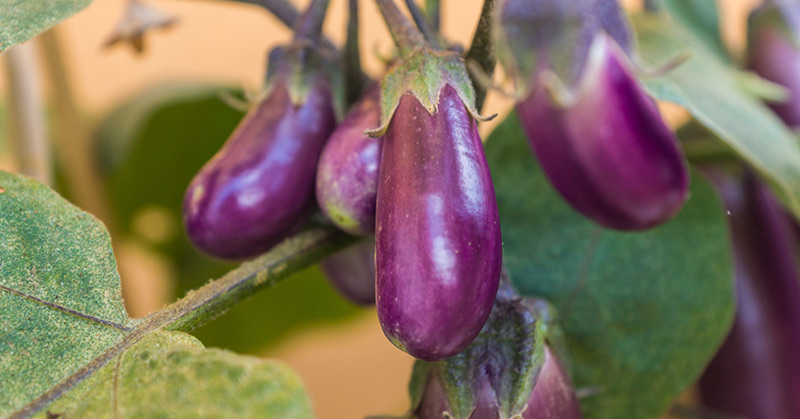

Eggplants, with their vibrant purple hues and rich, meaty flavor, are a beloved addition to any vegetable garden. However, to ensure a bountiful harvest of these delectable fruits, it is crucial to provide them with the right nutrients. Choosing the best fertilizer for eggplants can make all the difference in their growth, productivity, and overall health.
In this article, we will delve into the world of fertilizers, exploring the key nutrients eggplants require, the different types of fertilizers available, and ultimately, uncovering the top choices for nourishing these remarkable plants. Whether you are a seasoned gardener or a beginner, this comprehensive guide will equip you with the knowledge to optimize your eggplant’s growth and maximize your harvest.
Do eggplant need to be fertilized?
Eggplant plants benefit from regular fertilization for optimal growth. Fertilizers provide essential nutrients that help promote healthy foliage, strong root development, and abundant fruit production. Eggplants are heavy feeders, meaning they require a good supply of nutrients throughout the growing season. Before planting eggplants, it’s recommended to incorporate organic matter, such as compost or well-rotted manure, into the soil to improve its fertility and nutrient content. This will provide a good foundation for the plants.
During the growing season, you can use a balanced fertilizer with equal amounts of nitrogen (N), phosphorus (P), and potassium (K). Look for a fertilizer with an NPK ratio of around 10-10-10 or 14-14-14. Apply the fertilizer according to the package instructions, usually every 4-6 weeks. Additionally, eggplants benefit from a side-dressing of nitrogen-rich fertilizer, such as blood meal or fish emulsion, during their active growth period. This helps to promote healthy foliage and fruit development. It’s important not to over-fertilize eggplants, as excessive nitrogen can lead to excessive foliage growth at the expense of fruit production.
Always follow the recommended application rates and avoid applying fertilizers too close to the plant stems to prevent burning. Regular watering is also crucial to ensure the nutrients are available to the plants. Watering deeply and consistently will help the plants absorb the nutrients from the soil. Overall, providing adequate fertilization along with proper watering and care will help eggplant plants thrive and produce a bountiful harvest.
The best fertilizer for eggplants
The best fertilizer for growing eggplant is one that is high in potassium and phosphorus, with a moderate amount of nitrogen. Eggplants require a nutrient-rich soil to thrive and produce abundant fruits. A balanced fertilizer with an NPK ratio of around 5-10-10 or 10-10-10 is generally recommended.
Additionally, organic fertilizers such as compost, well-rotted manure, or fish emulsion can be beneficial for eggplant growth. These organic options not only provide essential nutrients but also improve soil structure and promote beneficial microbial activity.
It’s important to follow the manufacturer’s instructions for application rates and frequency, as over-fertilization can lead to excessive foliage growth at the expense of fruit production. Regularly monitoring the plant’s health and adjusting the fertilizer application accordingly is key to achieving optimal results.
When to fertilize eggplants
The ideal time to fertilize eggplant plants is before planting and during the growing season. Before planting, it is recommended to amend the soil with organic matter, such as compost or well-rotted manure, to improve its fertility and nutrient content.
During the growing season, eggplant plants benefit from regular fertilization to support healthy growth and fruit production. Start fertilizing about two weeks after transplanting or when seedlings have established themselves. Apply a balanced fertilizer with equal amounts of nitrogen (N), phosphorus (P), and potassium (K), such as a 10-10-10 or 14-14-14 formulation. Follow the package instructions for the recommended application rates.
For ongoing fertilization, you can use a slow-release granular fertilizer or opt for organic alternatives like fish emulsion or seaweed extract. Apply the fertilizer according to the package instructions, usually every 4-6 weeks throughout the growing season.
Remember to water the plants thoroughly after fertilization to help nutrients reach the root zone. Additionally, monitor the plants for any signs of nutrient deficiencies or excesses, such as yellowing leaves or stunted growth, and adjust the fertilization accordingly.
Common issues with fertilizing eggplants
When fertilizing eggplants, several common issues or problems can arise. Here are a few:
- Over-fertilization: Applying too much fertilizer can lead to excessive vegetative growth at the expense of fruit production. This can result in a lower yield and poor fruit quality. It is important to follow the recommended dosage and application instructions provided by the fertilizer manufacturer.
- Nutrient deficiencies: Eggplants require a balanced supply of essential nutrients for healthy growth and fruit development. Common nutrient deficiencies in eggplants include nitrogen, phosphorus, potassium, calcium, and magnesium. Regular soil testing can help identify any deficiencies and guide appropriate fertilizer application.
- Imbalanced nutrient ratios: Eggplants require a specific nutrient ratio for optimal growth. Excessive nitrogen can lead to lush foliage but reduced fruiting, while inadequate phosphorus and potassium can result in poor fruit development. It is essential to choose a fertilizer with a balanced NPK (nitrogen, phosphorus, potassium) ratio suitable for eggplants.
- pH imbalance: Eggplants prefer slightly acidic soil with a pH range of 5.5 to 6.5. Fertilizers can affect soil pH, and an imbalance can hinder nutrient uptake by the plants. Regularly monitor the pH level of the soil and adjust it if necessary using appropriate amendments.
- Environmental impact: Improper use of fertilizers can have negative environmental consequences. Excessive fertilizer runoff can contaminate water bodies and contribute to water pollution. Always follow the recommended application rates and avoid applying fertilizers before heavy rainfall.
To avoid these problems, it is crucial to understand the specific nutrient requirements of eggplants, conduct soil tests, and choose a balanced fertilizer suitable for their needs. Additionally, following proper application techniques and monitoring plant health regularly can help address any issues promptly.