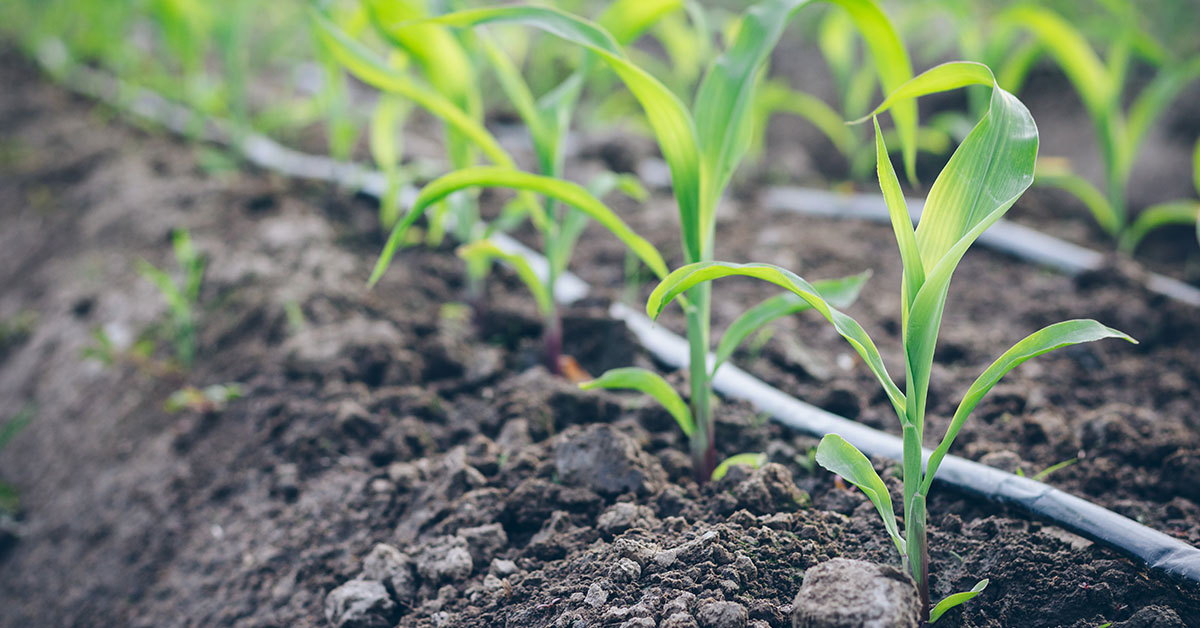

Corn, scientifically known as Zea mays, is a staple crop that has been cultivated for centuries. With its tall stalks, vibrant green leaves, and deliciously sweet kernels, corn is a favorite among gardeners and farmers alike. However, to ensure a bountiful harvest, proper fertilization is crucial. Choosing the right fertilizer for corn can significantly impact its growth, yield, and overall health.
In this article, we will explore the various types of fertilizers available, their nutrient compositions, and the best practices for fertilizing corn to help you achieve optimal results in your cornfield or garden. Whether you are a seasoned farmer or a passionate gardener, this comprehensive guide will equip you with the knowledge and tools to nourish your corn plants and achieve a successful harvest.
Do corn need to be fertilized?
Corn plants require fertilization for optimal growth. Fertilizers provide essential nutrients that are necessary for corn plants to develop strong roots, healthy stalks, and produce abundant ears of corn. Nitrogen, phosphorus, and potassium are the primary nutrients needed by corn plants, but they also require secondary and micronutrients in smaller quantities. Fertilizing corn plants at the right time and with the appropriate amount of nutrients can significantly improve their growth, yield, and overall health.
The best fertilizer for corn
The best fertilizer for growing corn is one that is high in nitrogen, as corn is a heavy feeder of this nutrient. A balanced fertilizer with a ratio of 10-10-10 or 14-14-14 is a good choice. However, for corn specifically, a fertilizer with a higher nitrogen content, such as a 20-10-10 or 24-8-16, can be more beneficial. Additionally, incorporating organic matter, such as compost or well-rotted manure, into the soil before planting can provide a slow-release source of nutrients for the corn plants. It is important to follow the recommended application rates and timing provided by the fertilizer manufacturer for optimal results.
When to fertilize corn
The ideal time to fertilize corn plants is before planting and during the growing season. Before planting, it is recommended to incorporate a balanced fertilizer into the soil, such as a 10-10-10 or 14-14-14, based on soil test recommendations. This will provide the necessary nutrients for the initial growth of the plants.
During the growing season, corn plants benefit from additional fertilization at specific stages. The first application should be done when the plants are around 6-8 inches tall, using a nitrogen-rich fertilizer like urea or ammonium nitrate. This helps promote healthy leaf and stem development.
The second application should be done when the corn plants are knee-high, typically around 12-18 inches tall. This is a critical stage for corn growth, and a balanced fertilizer with higher phosphorus and potassium content, such as a 10-20-20 or 15-15-15, can be applied. Phosphorus promotes root development, while potassium aids in overall plant health and disease resistance.
It is important to follow the manufacturer’s instructions for application rates and methods. Additionally, regular soil testing can help determine the specific nutrient needs of your corn plants and guide your fertilization schedule.
Common issues with fertilizing corn
When fertilizing corn, there are several common issues or problems that can arise. Here are a few:
- Nitrogen deficiency: Corn is a heavy feeder of nitrogen, and a lack of this essential nutrient can result in stunted growth, yellowing of leaves (chlorosis), and reduced yield. To address this issue, it is important to ensure that sufficient nitrogen is available to the plants through proper fertilization.
- Phosphorus deficiency: Phosphorus is crucial for root development, energy transfer, and overall plant growth. A deficiency in phosphorus can lead to stunted growth, purplish discoloration of leaves, and poor ear development. Applying a phosphorus-rich fertilizer or incorporating organic matter high in phosphorus can help mitigate this problem.
- Potassium deficiency: Potassium is essential for corn’s overall health, disease resistance, and water regulation. A lack of potassium can result in weak stalks, reduced yield, and increased susceptibility to diseases. Applying a potassium-rich fertilizer or using compost or manure high in potassium can help address this issue.
- Imbalanced nutrient ratios: It is important to maintain a proper balance of nutrients when fertilizing corn. An imbalance, such as excessive nitrogen compared to other nutrients, can lead to issues like delayed maturity, increased lodging (falling over of plants), and decreased yield. Regular soil testing can help determine the appropriate nutrient ratios and guide fertilizer application.
- Over-fertilization: Applying excessive amounts of fertilizer can cause nutrient imbalances, environmental pollution, and economic losses. It can also lead to excessive vegetative growth, delayed flowering, and reduced ear development. Following recommended fertilizer rates and timing, based on soil test results, is crucial to avoid over-fertilization.
- Environmental factors: Fertilizer effectiveness can be influenced by environmental factors such as soil pH, temperature, moisture levels, and soil texture. It is important to consider these factors when fertilizing corn to ensure optimal nutrient uptake and utilization by the plants.
Regular monitoring, soil testing, and following recommended fertilization practices can help address these common issues and promote healthy corn growth and yield.