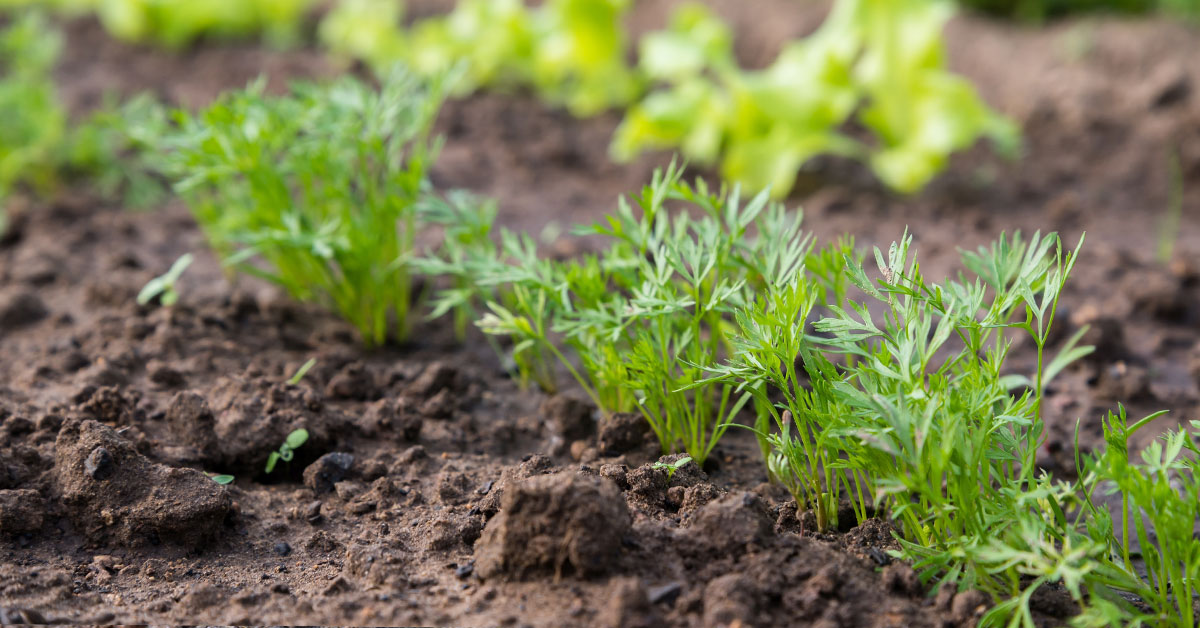

Carrots, with their vibrant orange hue and sweet, earthy flavor, are a staple in many home gardens. Whether you are a seasoned gardener or just starting out, understanding the importance of proper fertilization is essential to ensure a bountiful harvest of these nutritious root vegetables. Choosing the right fertilizer for carrots can make all the difference in their growth, flavor, and overall health.
In this article, we will explore the various types of fertilizers available, their nutrient content, and the best application methods to help you achieve thriving carrot plants that will have your friends and family begging for seconds. So, grab your gardening gloves and let’s dive into the world of carrot fertilization!
Do Carrots need to be fertilized?
Yes, carrots plants do require fertilization for optimal growth. Like most vegetables, carrots are heavy feeders and need a nutrient-rich soil to thrive. Fertilizing carrots helps provide the necessary nutrients for healthy foliage growth, root development, and overall plant vigor. Before planting carrots, it is recommended to prepare the soil by incorporating well-rotted organic matter, such as compost or aged manure, to improve soil fertility and structure.
This will provide a good foundation of nutrients for the plants. During the growing season, it is beneficial to provide additional fertilization to support carrot growth. A balanced fertilizer with a ratio of nitrogen (N), phosphorus (P), and potassium (K) such as a 10-10-10 or 14-14-14 can be used. However, it is important to avoid excessive nitrogen fertilization as it can result in excessive foliage growth at the expense of root development.
To apply the fertilizer, follow the instructions on the product packaging. Generally, it is recommended to side-dress the plants by applying the fertilizer in a shallow trench about 2-3 inches away from the carrot rows. After applying the fertilizer, lightly incorporate it into the soil and water the plants thoroughly. Regular watering is also important for carrot plants, as it helps the nutrients from the fertilizer to reach the roots.
Additionally, maintaining consistent soil moisture levels is crucial for preventing carrot roots from becoming tough or woody. Overall, providing proper fertilization along with adequate watering and soil preparation will help ensure optimal growth and yield of carrot plants.
The best fertilizer for Carrots
The best fertilizer for growing carrots is one that is balanced and provides a good amount of phosphorus and potassium, as these nutrients are essential for root development. A fertilizer with an NPK ratio of 5-10-10 or 10-20-20 would work well for carrots. Additionally, carrots prefer a slightly acidic soil pH, so a fertilizer that helps maintain a pH level between 6.0 and 6.8 would be beneficial.
Organic options such as compost or well-rotted manure can also be great choices for carrot fertilization. It’s important to follow the instructions on the fertilizer packaging and avoid over-fertilizing, as this can lead to excessive foliage growth at the expense of root development.
When to fertilize Carrots
The ideal time to fertilize carrot plants is before planting, during soil preparation. Carrots are root vegetables, and they require a well-prepared soil bed with adequate nutrients for healthy growth. Prior to planting, incorporate a balanced organic fertilizer or compost into the soil to provide essential nutrients. This will help ensure that the carrots have access to nutrients throughout their growth cycle.
Additionally, avoid over-fertilizing during the growing season, as excessive nitrogen can lead to lush foliage growth at the expense of root development.
Common issues with fertilizing Carrots
When fertilizing carrots, several common issues or problems can arise. Here are a few:
- Over-fertilization: Applying too much fertilizer can lead to excessive vegetative growth, resulting in large, leafy tops but stunted or misshapen carrots. It can also increase the risk of disease and pest problems.
- Nitrogen imbalance: Carrots require a balanced supply of nutrients, but an excessive amount of nitrogen can cause lush foliage at the expense of root development. This can result in small or forked carrots.
- Phosphorus deficiency: Carrots need phosphorus for healthy root development. A deficiency in phosphorus can lead to stunted or underdeveloped roots. Adding a phosphorus-rich fertilizer or organic amendments like bone meal can help address this issue.
- Uneven growth: Uneven distribution of fertilizer can cause uneven growth in carrot beds. It is important to apply fertilizer evenly and avoid concentrated application in one area.
- Soil acidity: Carrots prefer slightly acidic to neutral soil pH (around 6.0-7.0). If the soil pH is too high or too low, it can affect nutrient availability. Conducting a soil test and adjusting the pH if necessary can help ensure optimal nutrient uptake.
- Nutrient deficiencies: Apart from phosphorus, carrots require other essential nutrients like potassium, calcium, magnesium, and micronutrients. Deficiencies in these nutrients can manifest as yellowing leaves, stunted growth, or poor root development. Using a balanced fertilizer or incorporating organic matter can help prevent nutrient deficiencies.
- Timing of fertilization: Timing is crucial when fertilizing carrots. Applying fertilizer too early may result in excessive foliage growth at the expense of root development. It is best to apply fertilizer a few weeks after sowing or transplanting, when the carrot seedlings have established themselves.
To avoid these issues, it is essential to follow the recommended fertilizer application rates, conduct soil tests, and provide a balanced nutrient supply to support healthy carrot growth.