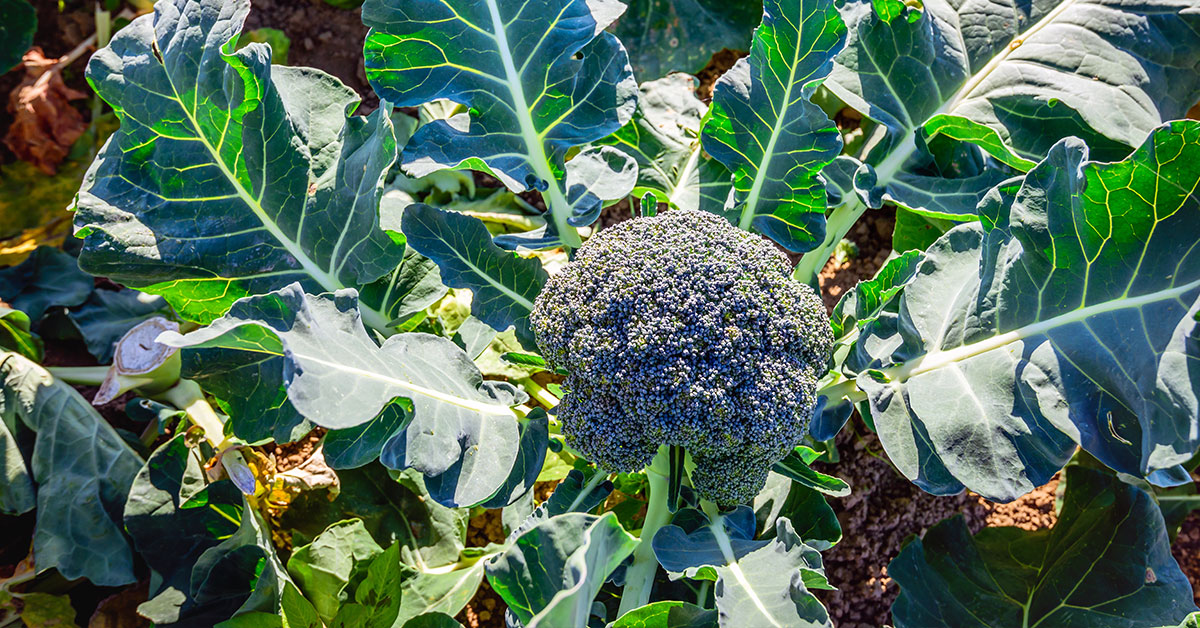

Broccoli, a nutrient-packed and versatile vegetable, is a favorite among gardeners for its delicious taste and numerous health benefits. To ensure a bountiful harvest of this cruciferous wonder, it is crucial to provide the plant with the right nutrients. Fertilizers play a vital role in supplying essential elements that promote healthy growth, strong stems, and vibrant foliage. However, with a plethora of options available in the market, choosing the best fertilizer for broccoli can be a daunting task.
In this article, we will delve into the world of fertilizers, exploring the key nutrients required by broccoli, and uncovering the top fertilizer choices to help you achieve optimal growth and maximize your broccoli yields. Whether you are a seasoned gardener or a beginner, this comprehensive guide will equip you with the knowledge to nourish your broccoli plants and enjoy a successful harvest.
Do Broccoli need to be fertilized?
Yes, broccoli plants do require fertilization for optimal growth. Like most vegetable plants, broccoli plants have high nutrient requirements to produce healthy and abundant yields. Fertilizing broccoli plants helps provide them with the necessary nutrients they need to develop strong roots, lush foliage, and large, firm heads. Before planting broccoli, it is recommended to prepare the soil by incorporating organic matter, such as compost or well-rotted manure, to improve soil fertility and structure.
This will provide a good foundation of nutrients for the plants. During the growing season, it is beneficial to apply a balanced fertilizer that contains nitrogen (N), phosphorus (P), and potassium (K). Nitrogen promotes leafy growth, phosphorus supports root development and flower/fruit production, and potassium enhances overall plant health and disease resistance. When fertilizing broccoli, it is important to follow the instructions on the fertilizer package and avoid over-fertilizing, as excessive nitrogen can lead to lush foliage but smaller heads.
A general guideline is to apply a balanced fertilizer every 4-6 weeks or as recommended by a soil test. Additionally, broccoli plants benefit from a side-dressing of nitrogen-rich fertilizer when they start forming heads. This helps promote head development and ensures the plants have adequate nutrients during this crucial stage.
Regular watering is also essential to help the plants absorb and utilize the nutrients effectively. Providing consistent moisture and avoiding water stress will contribute to optimal growth and yield. Overall, fertilizing broccoli plants with a balanced fertilizer and providing proper soil preparation and watering will help ensure healthy and productive plants.
The best fertilizer for Broccoli
The best fertilizer for growing broccoli is one that is high in nitrogen, as this will promote healthy leafy growth. A balanced fertilizer with a ratio of 10-10-10 or 14-14-14 is generally suitable for broccoli. Additionally, incorporating organic matter such as compost or well-rotted manure into the soil before planting can provide essential nutrients and improve soil fertility. It is important to follow the manufacturer’s instructions for application rates and frequency, as over-fertilizing can lead to nutrient imbalances or burn the plants.
When to fertilize Broccoli
The ideal time to fertilize broccoli plants is before planting and during the growing season. Prior to planting, it is recommended to prepare the soil by incorporating organic matter, such as compost or well-rotted manure, to provide essential nutrients. This can be done a few weeks before transplanting or sowing seeds.
During the growing season, broccoli plants benefit from regular fertilization to support their nutrient needs. It is generally recommended to apply a balanced fertilizer, such as a 10-10-10 or 14-14-14, every 4-6 weeks. However, it is important to follow the specific instructions provided by the fertilizer manufacturer, as rates and frequency may vary.
Additionally, it is advisable to monitor the plants for any signs of nutrient deficiencies, such as yellowing leaves or stunted growth. If deficiencies are observed, a foliar spray or targeted fertilizer application can be used to address the specific nutrient requirements of the plants.
Remember to always water the plants thoroughly after fertilizing to ensure proper nutrient uptake and to prevent any potential fertilizer burn.
Common issues with fertilizing Broccoli
When fertilizing broccoli, there are a few common issues or problems that can arise:
- Over-fertilization: Applying too much fertilizer can lead to excessive vegetative growth, weak stems, and reduced flowering and fruiting. It can also result in nutrient imbalances and environmental pollution.
- Under-fertilization: Insufficient fertilization can cause stunted growth, yellowing of leaves, and poor overall plant health. Broccoli plants require adequate nutrients to produce healthy heads.
- Nutrient imbalances: Imbalances in nutrient levels can occur if the fertilizer used does not provide a proper ratio of essential nutrients. For example, excessive nitrogen and insufficient potassium can lead to weak stems and increased susceptibility to diseases.
- Incorrect timing: Fertilizing at the wrong time can impact the growth and development of broccoli. Applying fertilizer too early may result in excessive vegetative growth at the expense of head formation. Late fertilization may not provide adequate nutrients during the critical growth stages.
- Improper application: Fertilizer should be applied evenly and at the recommended rates. Uneven application can lead to nutrient deficiencies or toxicities in different parts of the plant.
- Environmental factors: External factors such as heavy rainfall, poor drainage, or extreme temperatures can affect the availability and uptake of nutrients. Excessive rain can leach nutrients away, while waterlogged soil can lead to nutrient deficiencies.
To avoid these problems, it is essential to follow the recommended fertilizer application rates, timing, and methods specified for broccoli. Regular soil testing can also help identify nutrient deficiencies or imbalances, allowing for targeted fertilization.