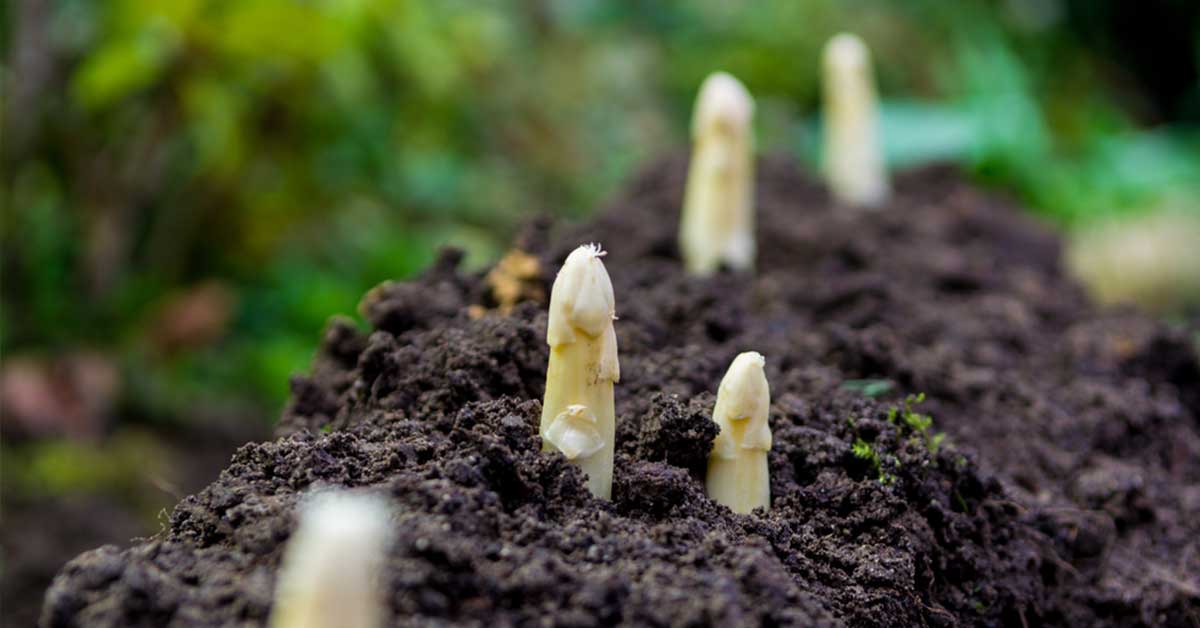

Asparagus, a perennial vegetable known for its tender spears and distinct flavor, requires proper care and nourishment to thrive in any garden. One crucial aspect of cultivating healthy and productive asparagus plants is selecting the right fertilizer. With a wide range of options available, it can be overwhelming for gardeners to determine the best fertilizer for asparagus beds. In this article, we will explore the various factors to consider when choosing a fertilizer, including the nutrient requirements of asparagus, the importance of soil quality, and the different types of fertilizers available.
By understanding these key elements, gardeners can make informed decisions and provide their asparagus plants with the optimal nourishment they need to flourish and yield bountiful harvests.
Do Asparagus need to be fertilized?
Yes, asparagus plants do require fertilization for optimal growth. Asparagus is a heavy feeder and requires nutrient-rich soil to produce healthy and abundant spears. Fertilizing asparagus plants helps provide the necessary nutrients for strong root development, vigorous growth, and increased spear production. It is recommended to fertilize asparagus plants in early spring before new growth emerges.
Use a balanced fertilizer with equal amounts of nitrogen (N), phosphorus (P), and potassium (K), such as a 10-10-10 or 14-14-14 formula. Apply the fertilizer evenly around the base of the plants, avoiding direct contact with the spears. Additionally, organic matter like compost or well-rotted manure can be applied as a top dressing around the plants to improve soil fertility and moisture retention. This can be done in early spring or fall.
Regular fertilization throughout the growing season is also beneficial. Apply a nitrogen-rich fertilizer, such as blood meal or fish emulsion, every 4-6 weeks during the growing season to support continuous growth and spear production. Remember to follow the recommended application rates on the fertilizer package and water the plants thoroughly after fertilizing to prevent burning the roots.
The best fertilizer for Asparagus
The best fertilizer for growing asparagus is one that is high in phosphorus and potassium, with a moderate amount of nitrogen. Asparagus plants have specific nutrient requirements, and a balanced fertilizer will help promote healthy growth and abundant harvests.
Before planting asparagus, it is recommended to amend the soil with organic matter, such as compost or well-rotted manure, to improve its fertility and drainage. This will provide a good foundation for the plants.
During the growing season, a slow-release granular fertilizer with an NPK ratio of around 5-10-10 or 10-20-20 is ideal for asparagus. The higher phosphorus and potassium content will support root development, strong stalks, and the production of healthy spears.
Apply the fertilizer in early spring, just as the asparagus spears start emerging from the ground. Follow the package instructions for the specific fertilizer you choose, as application rates may vary. Generally, you can sprinkle the granules evenly around the base of the plants, avoiding direct contact with the spears.
It’s important to note that asparagus is a perennial plant, and it’s best to avoid excessive nitrogen fertilization. Too much nitrogen can encourage excessive foliage growth at the expense of spear production.
Regularly watering the asparagus plants and maintaining a weed-free environment will also contribute to their overall health and productivity.
When to fertilize Asparagus
The ideal time to fertilize asparagus plants is in early spring, just as the new shoots are emerging from the ground. This is usually around late February to early April, depending on your location and climate. Fertilizing at this time provides the plants with the necessary nutrients to support their growth and development throughout the growing season. It is important to avoid fertilizing too late in the season, as this can stimulate late growth that may not have enough time to harden off before winter, potentially leading to frost damage.
Common issues with fertilizing Asparagus
When fertilizing asparagus, there are a few common issues or problems that can arise:
- Over-fertilization: Asparagus plants are sensitive to excessive amounts of fertilizer. Over-fertilization can lead to an imbalance of nutrients, causing stunted growth, leaf burn, or even plant death. It is important to follow the recommended dosage and application instructions on the fertilizer package.
- Nitrogen imbalance: Asparagus requires a balanced supply of nutrients, but an excess of nitrogen can lead to excessive foliage growth at the expense of root development and overall plant health. This can result in weak, spindly spears and reduced yields. It is advisable to use a fertilizer with a balanced N-P-K ratio, or one specifically formulated for asparagus.
- Timing of fertilization: Timing is crucial when fertilizing asparagus. It is best to apply fertilizer in early spring, just as the spears begin to emerge from the ground. Applying fertilizer too late in the season can lead to excessive fern growth, which can weaken the plant and reduce yields.
- Soil pH imbalance: Asparagus prefers slightly acidic to neutral soil pH (around 6.0-7.0). If the soil pH is too high or too low, it can affect nutrient availability to the plant. Before fertilizing, it is recommended to test the soil pH and adjust it if necessary using appropriate amendments.
- Nutrient deficiencies: Asparagus plants require a range of nutrients for healthy growth. Common nutrient deficiencies include phosphorus, potassium, and micronutrients like iron or magnesium. Regular soil testing can help identify any deficiencies, and appropriate fertilizers or soil amendments can be used to address them.
To avoid these issues, it is important to follow proper fertilization practices, including using the right type and amount of fertilizer, timing the application correctly, and ensuring the soil pH is within the optimal range. Regular monitoring of plant health and addressing any nutrient deficiencies promptly can help maintain vigorous and productive asparagus plants.