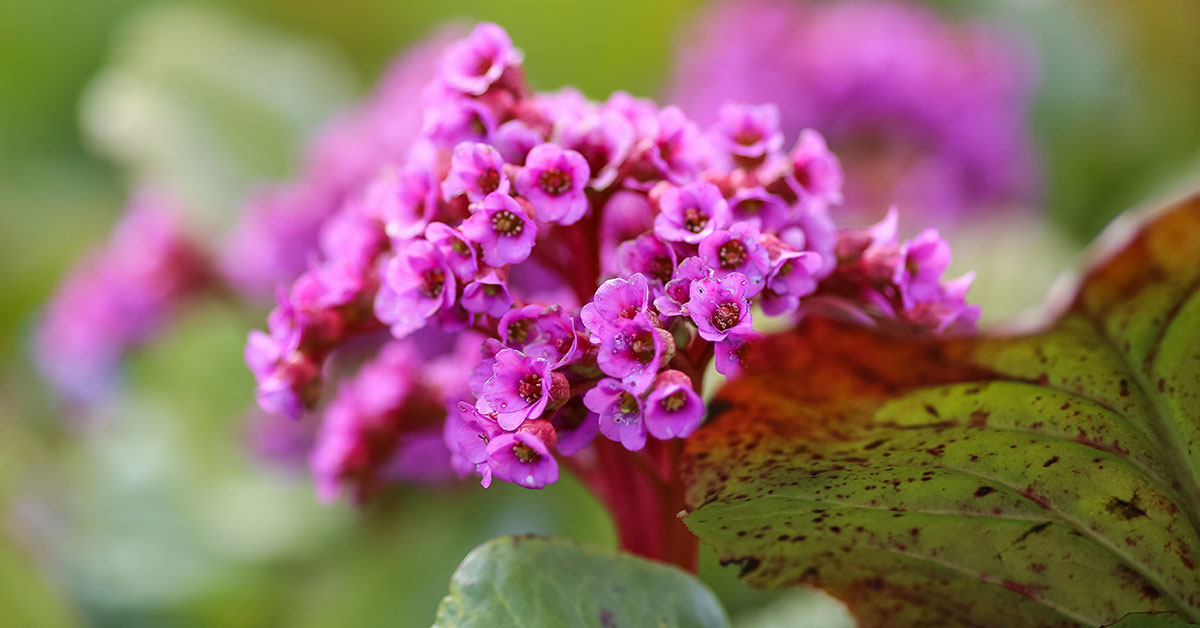

Bergenia plants, with their hardy nature and year-round interest, have long been a staple in many gardens. Their vibrant flowers, bold foliage, and overall adaptability make them an excellent choice for a variety of landscape applications.
In this comprehensive guide, we delve into the beautiful world of Bergenia plants, exploring their botanical identity, companion planting strategies, propagation methods, and care routines, providing you with all the tools you need to successfully cultivate this resilient perennial.
What is Bergenia?
Bergenia, also known as elephant’s ears due to its large, leathery leaves, or pigsqueak for the unique sound made when two leaves are rubbed together, is a perennial plant that belongs to the Saxifragaceae family. Originating from Central Asia, this plant boasts an exceptional ability to thrive in a variety of climates and conditions.
Bergenia’s attraction lies in its robust foliage and vibrant blooms. It produces clusters of bell-shaped flowers in shades of pink, purple, or white, often in early spring or late winter. Its foliage, green during the growing season, often turns to stunning shades of burgundy or bronze in the colder months, providing visual interest throughout the year.
Best Bergenia Companion Plants
When planning a garden with Bergenia, consider the following plants which make excellent companions due to their contrasting textures, complementary colors, or shared growing conditions:
- Hostas: The delicate, variegated foliage of Hostas contrasts beautifully with the bold, large leaves of Bergenia, creating an appealing textural difference.
- Ferns: Ferns offer a graceful and delicate contrast to the sturdy Bergenia and thrive in similar shady conditions.
- Heucheras: With their variety of colorful foliage, Heucheras can provide a stunning contrast to the bold green and burgundy leaves of Bergenia.
- Grasses: Ornamental grasses like Carex or Festuca add a contrasting texture and movement to the strong, static form of Bergenia.
- Spring-flowering bulbs: Plants like Daffodils and Tulips can add a pop of color that complements the early bloom of Bergenia.
How to Grow from Seed
While Bergenia is most commonly propagated by division, growing it from seed is also possible, though it requires more patience. Here’s how to do it:
- Sowing: In early spring, sow the seeds on the surface of a well-draining seed compost in a tray or pot.
- Light and Moisture: The seeds need light to germinate, so do not cover them with soil. Instead, mist them lightly with water to ensure they make contact with the soil.
- Germination: Cover the pot with a plastic bag or place it in a propagator and keep it at a temperature of around 15-20°C. Germination usually occurs within 2-4 weeks.
- Transplanting: Once the seedlings are large enough to handle, transplant them into individual pots. By the following spring, they should be ready to be planted out in the garden.
How to Care for Bergenia Plants
This flower is famously low-maintenance, but there are still a few tips to ensure your plants thrive:
Soil: Bergenia prefers well-drained soil and can tolerate a range of pH levels, from acidic to neutral to alkaline.
Sunlight: These plants can grow in full sun to partial shade. However, in hotter climates, they appreciate some afternoon shade.
Water: While established Bergenia plants are quite drought-tolerant, it’s best to water them regularly during dry spells, especially in the first year.
Pruning: Remove spent flower stalks after blooming and cut back any damaged or worn-out leaves in the spring.
Fertilizing: These flowers benefits from a yearly application of compost or a balanced slow-release fertilizer in the spring.
Bergenia is a versatile, attractive, and resilient plant that deserves a place in any garden. By following these guidelines, you can ensure that your Bergenia plants grow healthy and happy, providing year-round interest and beauty to your garden landscape.