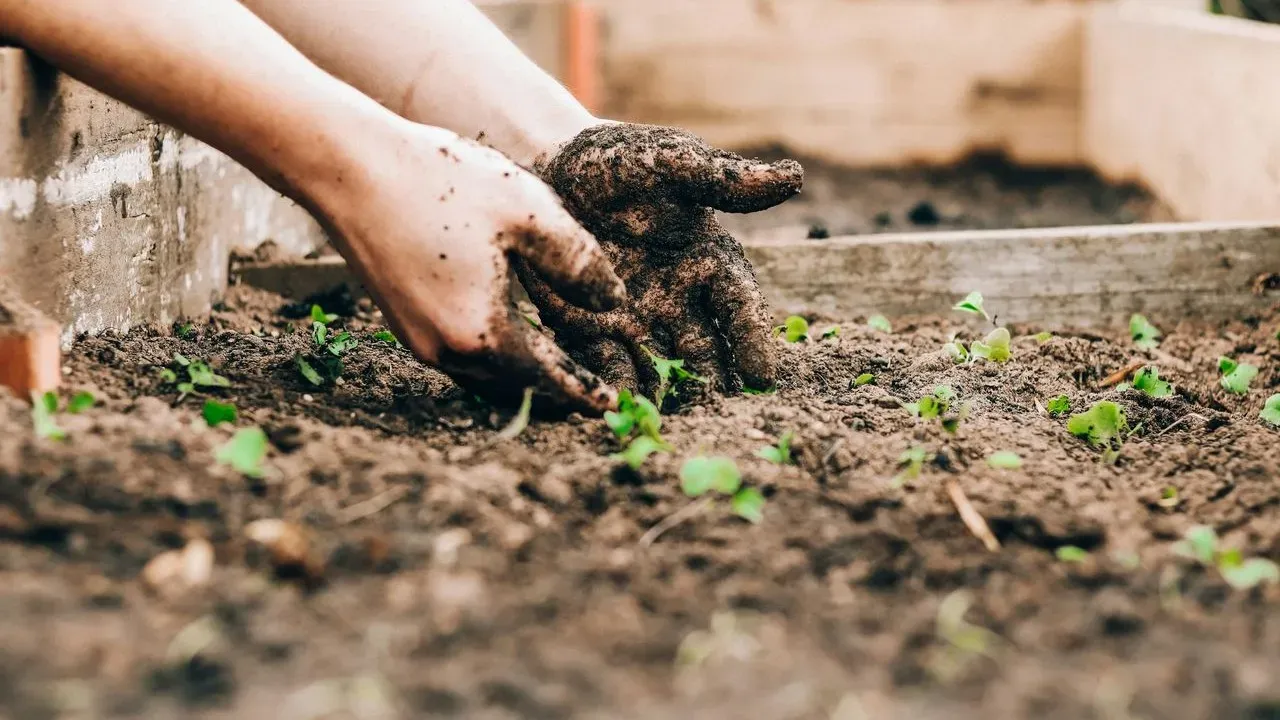

More people are pausing at the produce section these days, wondering what actually happens before a punnet of strawberries or a bag of salad reaches the shelf. The path from field to store involves growing, harvesting, packing and transport, and that awareness is prompting many to try producing a few ingredients themselves. The shift does not require an allotment or specialist training. It begins with small, practical steps that reveal how food is made. ([1])
Tracing Food Back to Its Source
Interest in food origins has grown steadily as shoppers look past the finished product on display. Planting a strawberry runner offers one direct way to see the sequence of watering, feeding and waiting that precedes a ripe fruit. A pot of basil on a windowsill serves the same purpose on a smaller scale, showing that fresh leaves do not start life wrapped in plastic. These modest experiments make the supply chain visible without demanding large plots or complex equipment.
Experiencing the Full Cycle at Home
Nothing clarifies the work behind ingredients quite like raising them from the start. Lettuce sown for summer salads or cherry tomatoes placed on a sunny patio lets a gardener watch a seed become something ready to chop or cook. The process unfolds over weeks rather than minutes, turning an ordinary meal into a record of daily attention. Each stage, from germination to harvest, adds context that a supermarket label cannot supply.
Creating Room for More Crops
Success with initial plantings often leads to a desire for greater variety. A polytunnel supplies protected space where tomatoes can ripen at one end while salad leaves develop at the other and trays of seedlings wait their turn outdoors. The structure shields plants from variable weather and extends the season, allowing experimentation with vegetables, fruits and herbs that might otherwise struggle. It turns limited outdoor areas into reliable growing zones without requiring a complete redesign of the garden.
Mixing Productivity with Visual Appeal
Edible gardening does not force a choice between attractive borders and useful crops. Strawberries can edge a flowerbed while rosemary sits beside lavender, letting vegetables, herbs and fruit share space with ornamental plants. The same approach supports resilient planting that handles shifting weather patterns more effectively. Both trends increase output while keeping the garden pleasing to look at throughout the year.
Building a Lasting Connection
Full self-sufficiency is not the goal for most beginners. A few tomatoes, herbs or strawberries are enough to demonstrate the time and care required to produce them. Once that first home-grown item reaches the table, the supermarket aisle tends to look different on the next visit. The experience stays with the gardener long after the season ends, offering a quiet reminder of what goes into every meal.
AI Disclaimer: This article was created with the assistance of AI tools and reviewed by a human editor.