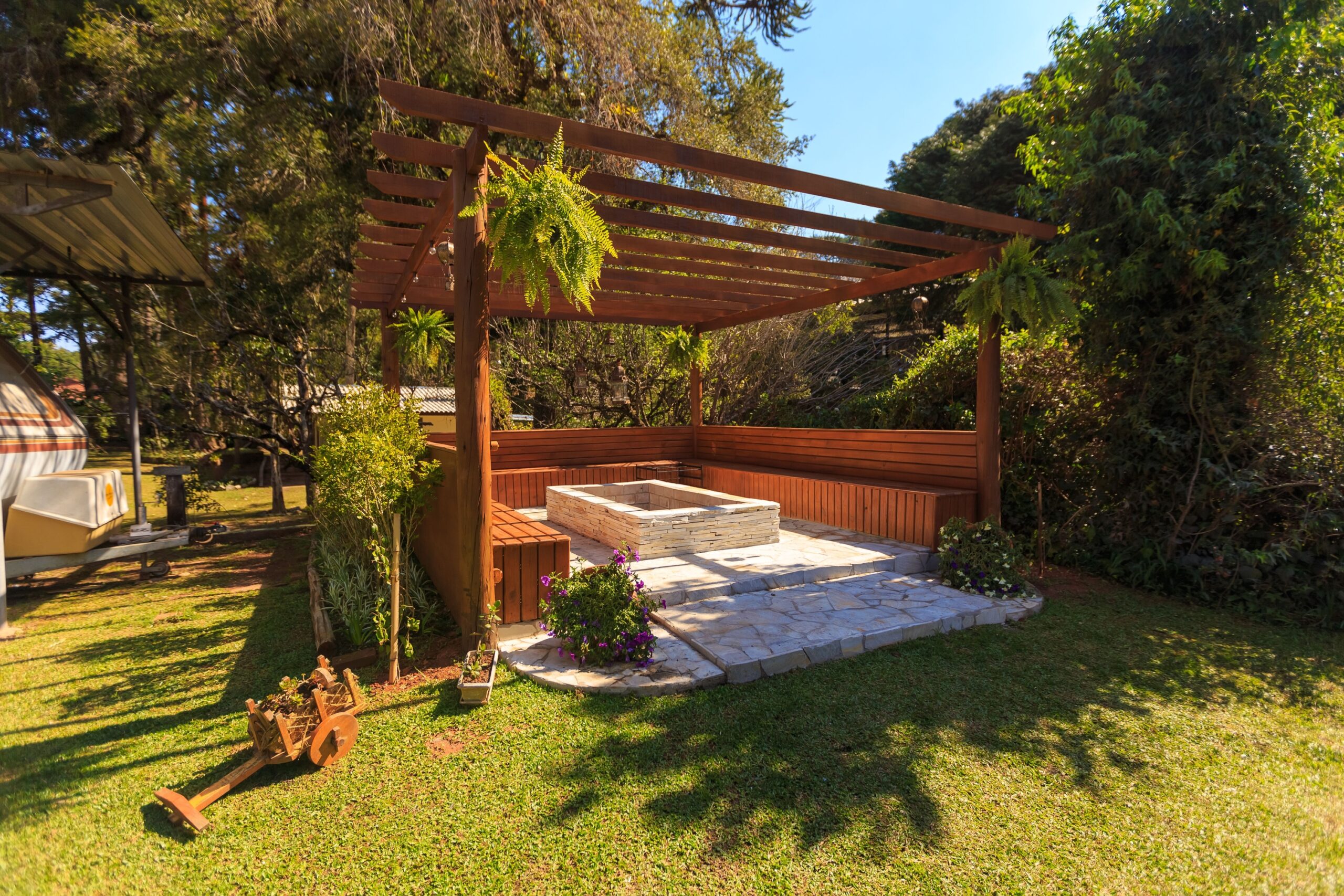

By late June, most Fresno backyards turn into places you visit only after sunset. Patio chairs sit untouched in the afternoon glare, hoses feel warm to the touch, and the side of the house facing west radiates heat well into the evening. If you have ever wondered whether a few well-placed trees could actually change that experience rather than just decorate it, the answer has more science behind it than you might expect.
Choosing the right species matters just as much as planting one at all, especially in a climate as demanding as the Central Valley’s. Some trees sail through triple-digit stretches without complaint, while others wilt, drop leaves early, or simply never grow fast enough to matter. Here is a closer look at what actually works here, and why timing your planting now sets you up for real relief in the years ahead.
Why Fresno Summers Push Homeowners To Rethink Their Yards
Fresno’s heat is not a matter of perception. Temperature fluctuates visibly across months, with the peak being in July at 99.7°F, and the trough in January at 43°F. The city’s climate is officially classified as a mid-latitude steppe, adhering to a pattern earmarked by the Köppen climate classification as BSk, characterized by warm summers and cool winters, all the while maintaining relatively dry conditions throughout the year.
What makes it worse is the total absence of relief through rainfall. The driest month in Fresno is July, with an average of 0.0 inches of rain falling on 0 to 1 days. Records confirm just how extreme individual days can get, too. The highest temperature ever recorded in Fresno was 114°F, which occurred on July 7, 2024. That combination of dry air and sustained heat is exactly why shade placement, not just shade existence, matters so much for anyone planning a backyard.
Chinese Pistache: The Valley’s Go-To Shade Tree
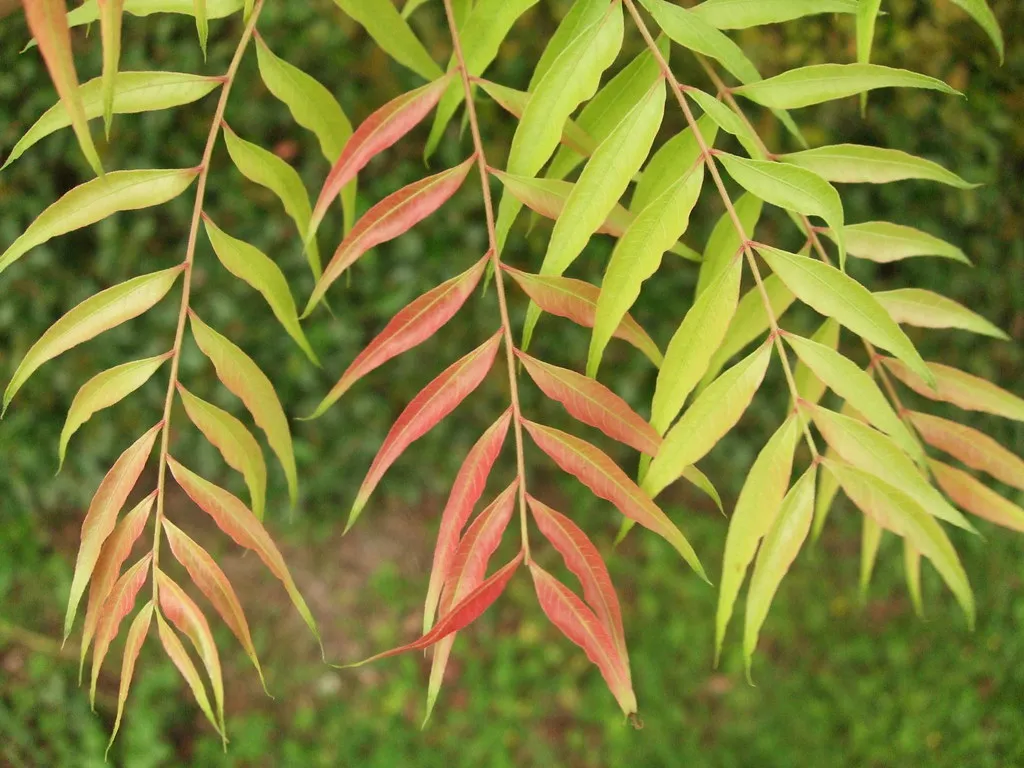
If you ask a local nursery for one dependable option, this is usually the first name mentioned. Chinese Pistache is one of the most popular shade trees in Fresno and Clovis for good reason, providing excellent summer shade, tolerating alkaline soil and heat, and delivering brilliant red-orange fall color, one of the few trees that gives genuine autumn color in the Central Valley. It is also listed as an official recommendation by the city itself. The City of Fresno includes it on their recommended street tree list.
Establishment care is simple but important during the first couple of summers. Water deeply once every two to three weeks in summer during the first two years, after which it can survive on natural rainfall plus minimal supplemental irrigation. One small tip worth remembering when buying one: select a male tree to avoid the small berries females produce.
Valley Oak: A Slow Grower Worth The Wait
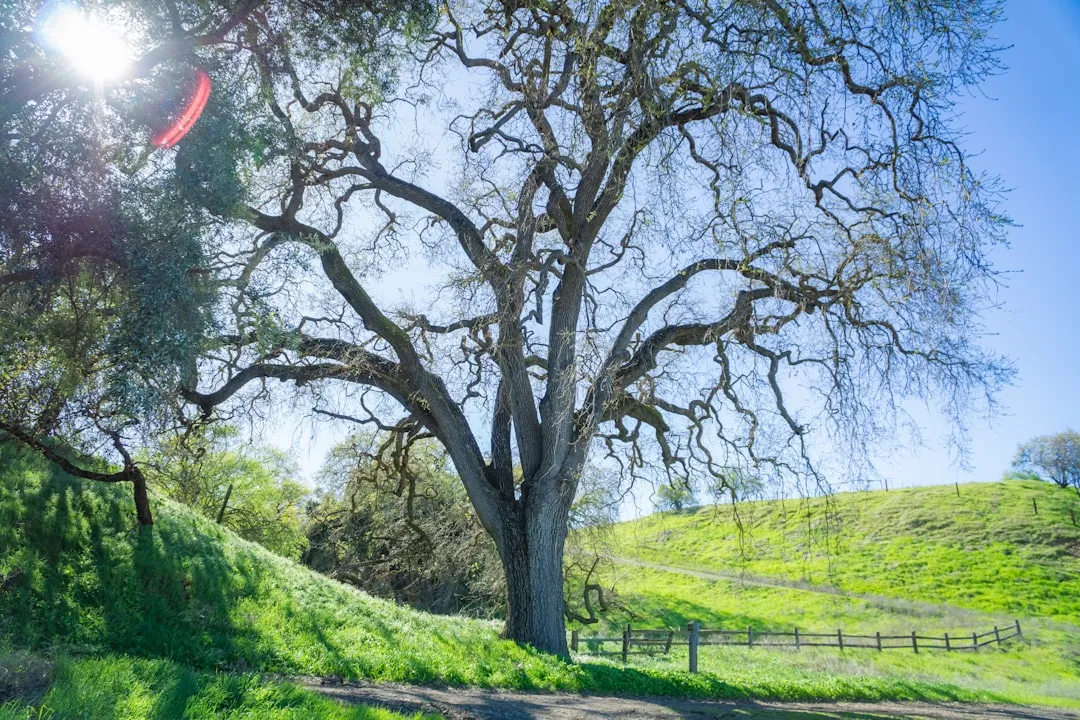
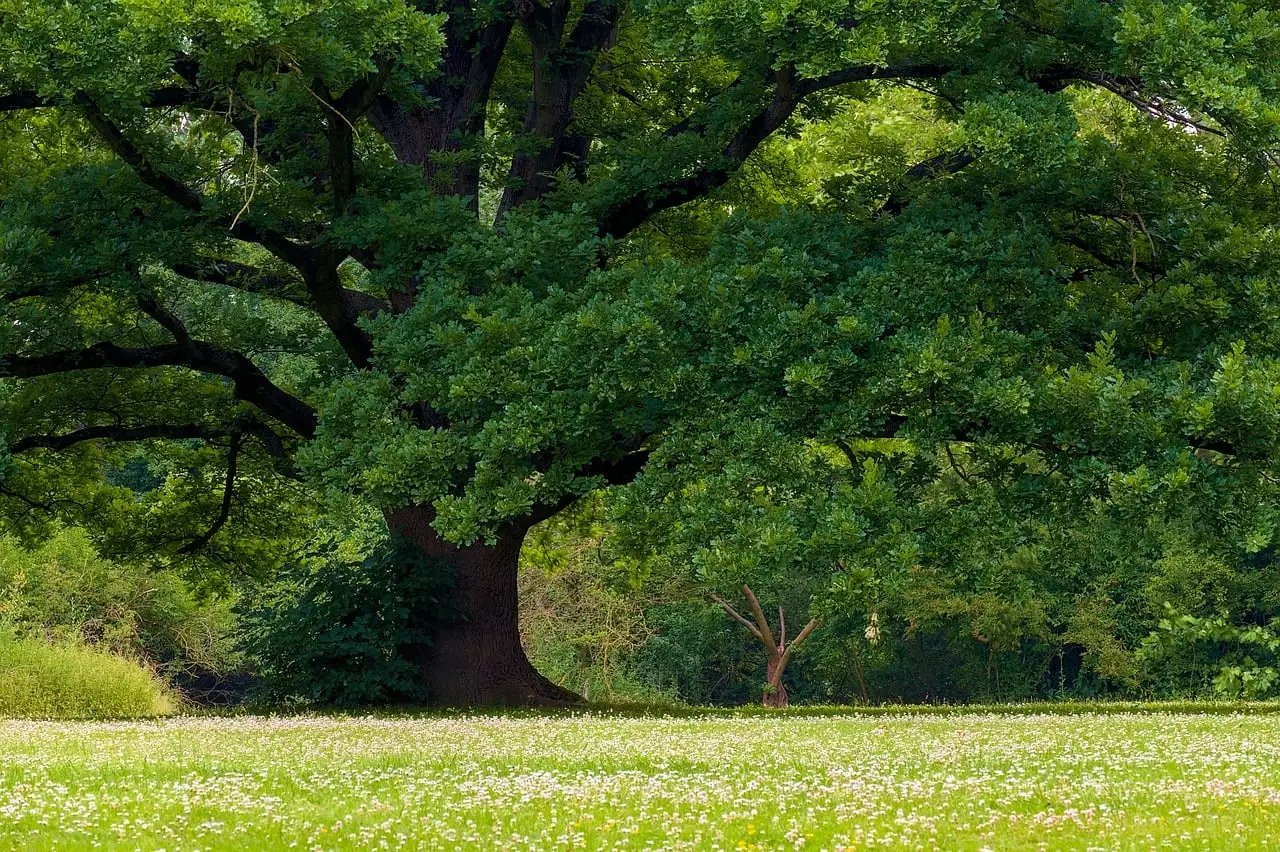
Native trees rarely get enough credit for how well they handle local extremes, and the Valley Oak is a good example. It is a large, majestic tree that provides shade and supports wildlife. Because it evolved alongside the exact soil and rainfall patterns of the San Joaquin Valley, it does not need coaxing to survive a Fresno July the way imported ornamentals sometimes do.
The tradeoff is patience. Native oaks in California generally develop slowly compared to fast growing ornamentals, so homeowners planting one today are really investing in shade for the next generation of backyard afternoons rather than next summer. For anyone with a larger lot and a long-term view of their property, it remains one of the most resilient choices available in the region.
Desert Willow: Light Shade With Big Personality
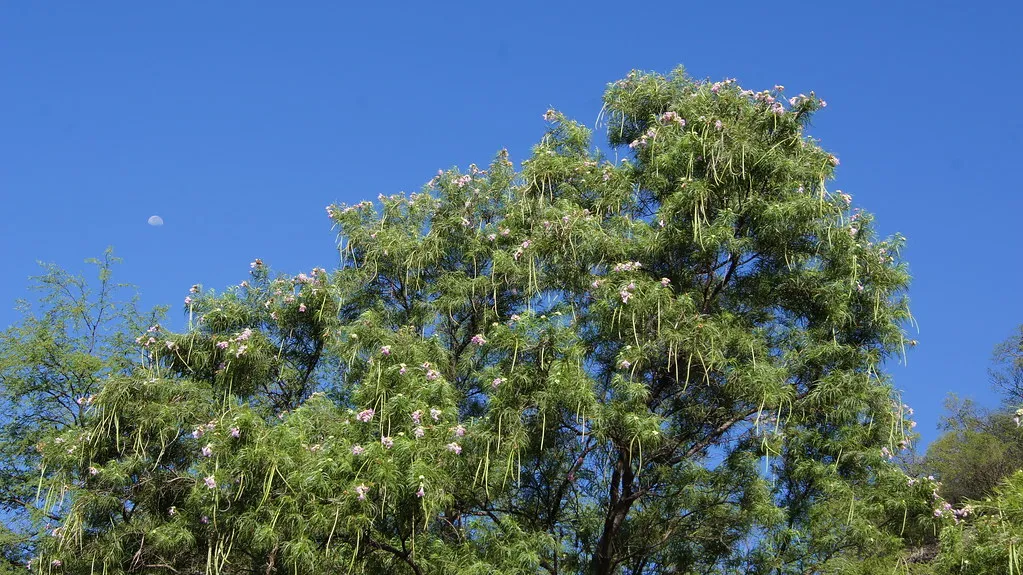
Not every yard needs a dense, heavy canopy, and that is where the Desert Willow earns its place on this list. It is a beautiful option for homeowners who want a lighter, more graceful shade tree, and despite its name, it is not a true willow, instead producing long, narrow leaves and striking trumpet shaped flowers that attract hummingbirds and pollinators. It is particularly suited to smaller Fresno and Clovis lots where a full-sized shade tree would overwhelm the space.
Its heat tolerance is a genuine strength rather than a marketing point. It is incredibly heat tolerant, which makes it a natural fit for hot inland areas like Riverside, Fresno, and the Sacramento Valley, and it actually blooms better with more heat, so California summers work in its favor. Give it deep, consistent watering for its first two seasons and afterward it asks for very little.
Crape Myrtle: Color That Thrives When It’s Hottest
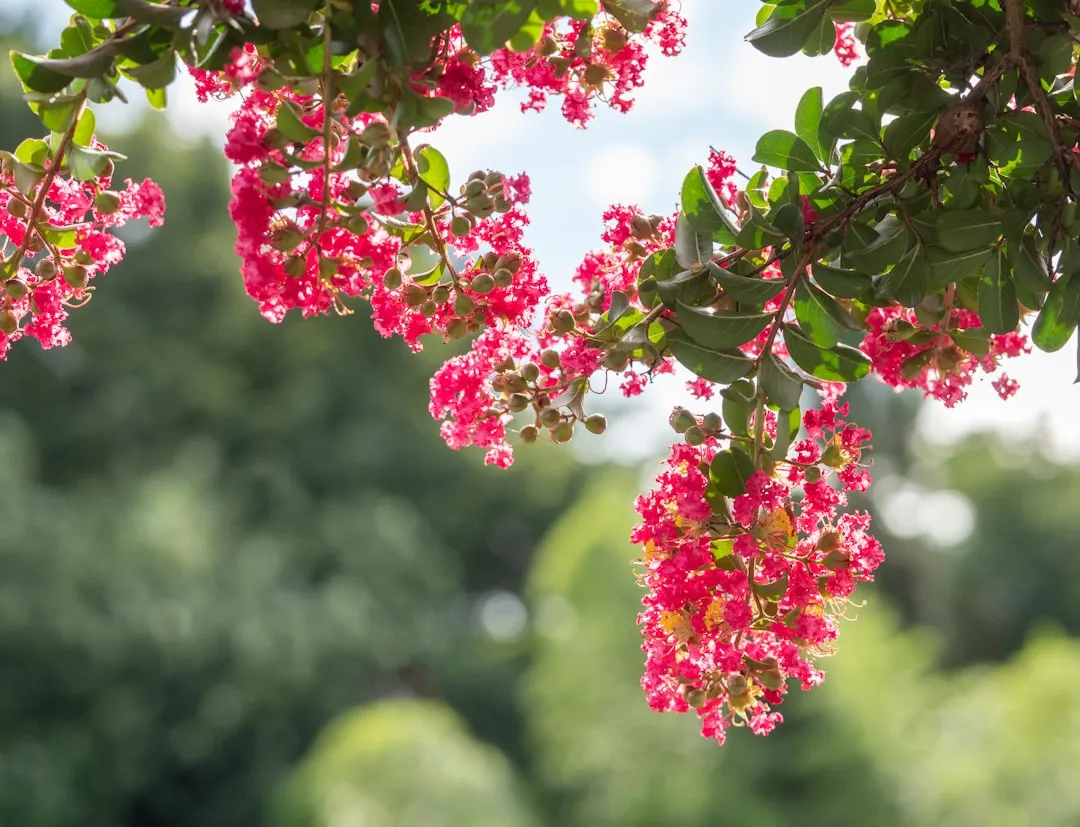
Most flowering plants give up by mid-July in the Central Valley, but Crape Myrtle does the opposite. Crape Myrtles bloom heavily in the hottest months, July, August, and September, when most other flowering plants have checked out, and available in white, pink, red, and purple, they are one of the most colorful summer-blooming trees for the Valley. That makes them a favorite for homeowners who want more than just functional shade, they want a backyard that still looks alive during the harshest stretch of the year.
They are also forgiving of Fresno’s alkaline soil and reflected heat from patios and driveways, which is not something every ornamental can claim. Pair one near a west-facing patio and you get both cooling relief and a splash of color exactly when the rest of the yard looks tired.
Silver Linden: A Fuller Canopy For Patios And Lawns
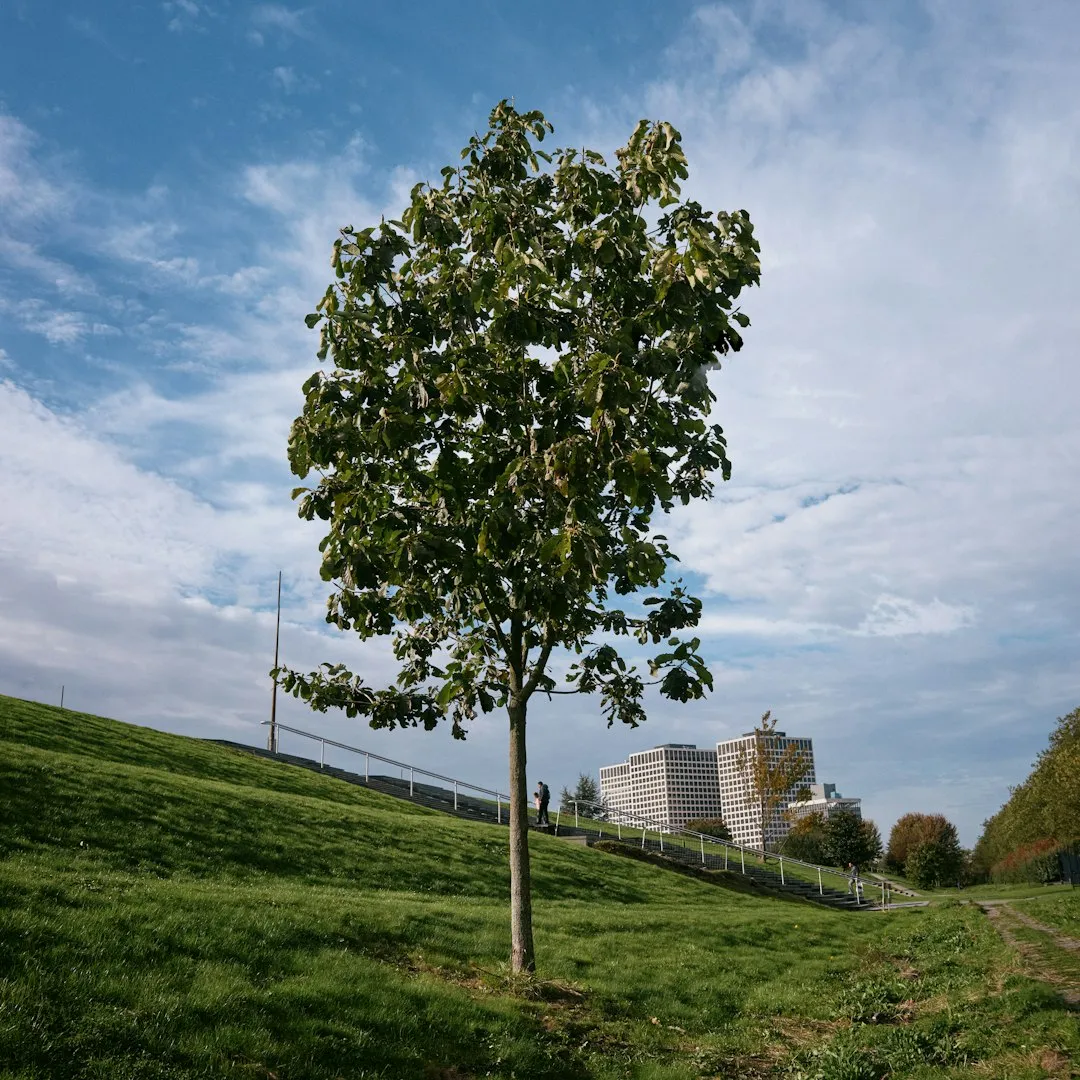
For homeowners who want denser, more immediate shade over a seating area, Silver Linden is worth considering. It is a strong shade tree with a fuller canopy and a reputation for reliable growth, offering large heart shaped leaves that create excellent shade, making it ideal for patios, lawns, and seating areas, with a symmetrical shape that gives it a clean, classic landscape appearance. That structure is a real advantage if your main goal is shading an outdoor dining or lounging space rather than an entire yard.
It has also proven itself specifically in Central Valley conditions, not just in milder California climates. Homeowners in the Central Valley appreciate silver linden because it adapts well to warm conditions and can provide a substantial canopy in a relatively short time. As with most of the trees on this list, the first two summers of consistent watering set the tone for everything that follows.
The Real Energy Savings Behind A Well-Placed Tree
Shade trees are not just a comfort upgrade, they measurably lower cooling bills, and the research on this goes back decades. A USDA Forest Service study on California specifically found that three trees, two on the west and one on the east side, reduced annual energy use for cooling by 10 to 50 percent and peak electrical use by up to 23 percent. The U.S. Department of Energy has echoed similar findings at a broader scale, noting that well-placed trees can reduce a home’s air conditioning needs by up to 30 percent.
The mechanism behind this is straightforward physics rather than marketing. Evapotranspiration can reduce peak summer temperatures in the surrounding area by two to nine degrees, and shaded exterior walls may be nine to 36 degrees cooler than unshaded ones. In a place where the mercury regularly clears 100 degrees for weeks at a stretch, that kind of difference is not trivial, it is the gap between an air conditioner running constantly and one that gets a genuine break.
Right Tree, Right Place: Avoiding Costly Mistakes
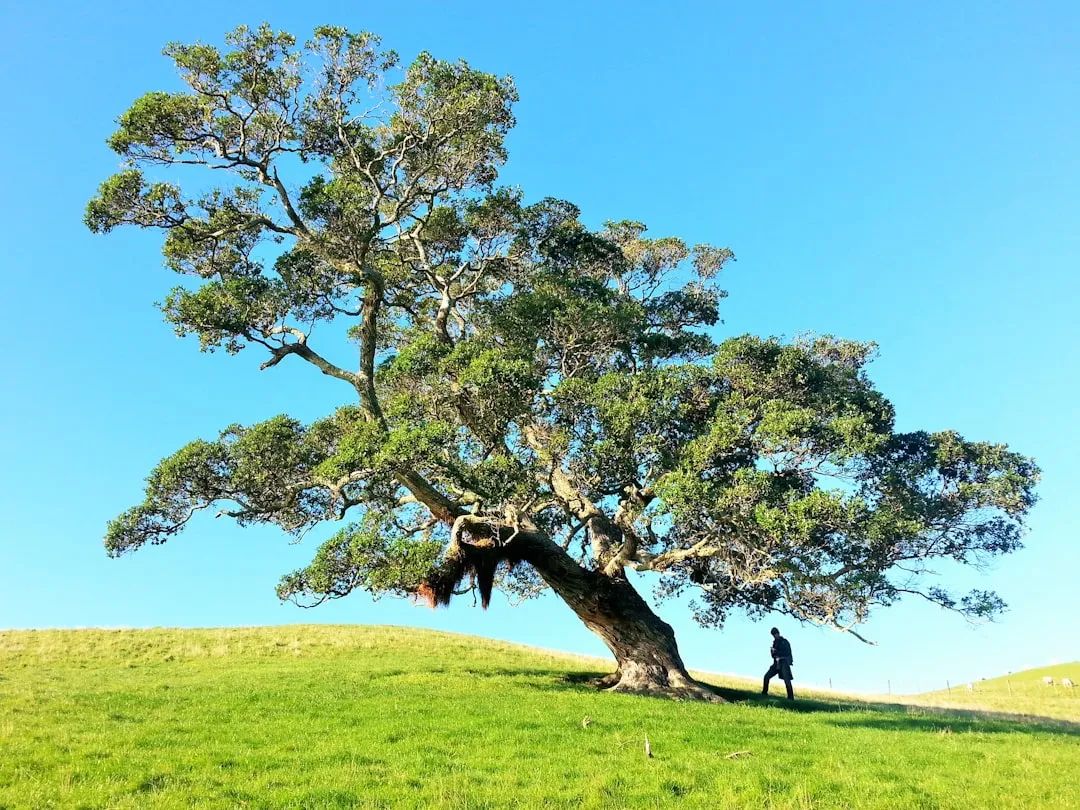
Planting the correct species means little if it ends up in the wrong spot. Trees positioned to shade a home’s west-facing wall consistently produce the strongest cooling benefit, since trees shading a home’s west exposure produced the largest savings, both annual and peak, for all climate zones and insulation levels considered, with the next largest savings coming from southwest and east locations. That single detail is often overlooked by homeowners who plant purely for aesthetics rather than sun exposure.
Fresno also has real rules around mature trees worth knowing before you plant. You can trim most trees on your property without a permit, but removing a tree over 12 inches in diameter requires a city permit, and heritage trees such as native oaks, buckeyes, and sycamores have additional protections. It is a useful reminder that a tree planted today is a long-term commitment, not something to relocate on a whim once it matures.
Getting New Trees Through Their First Fresno Summers
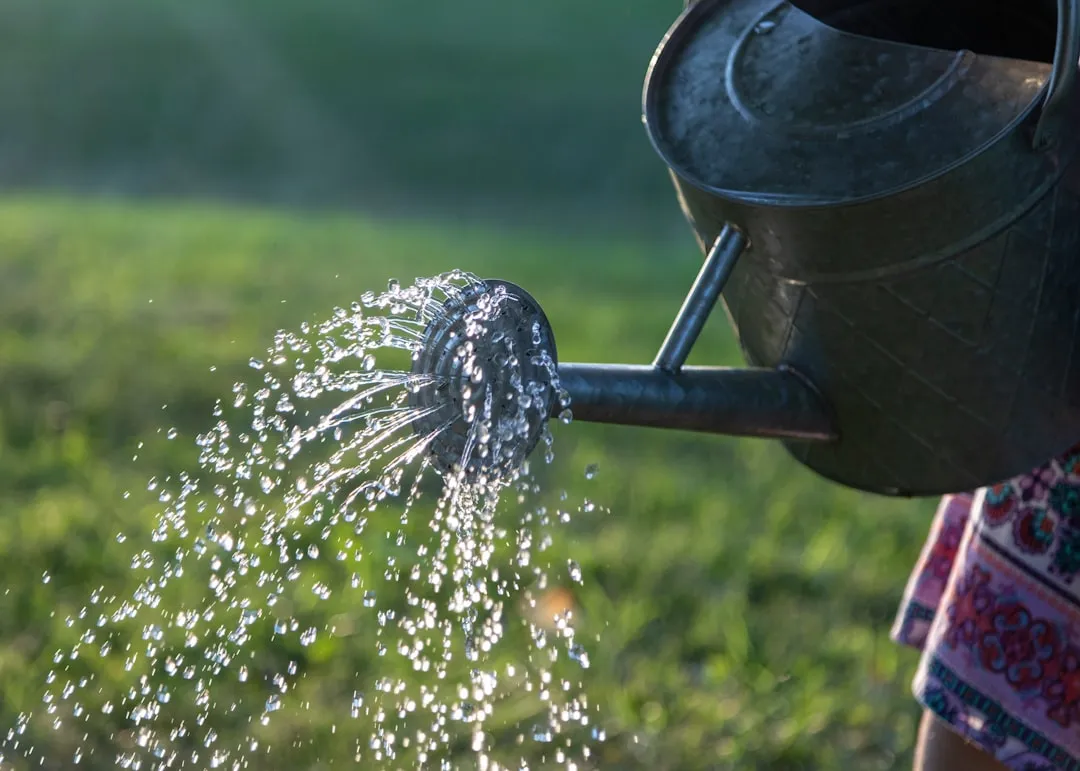
The first two summers after planting are the ones that determine whether a tree becomes a decades-long asset or a disappointing loss. Deep, infrequent watering that reaches the full root zone beats frequent shallow watering every time, since it encourages roots to spread wide and dig deep rather than staying near the surface where the soil dries out fastest. A three-inch layer of mulch around the base, kept a few inches back from the trunk itself, helps retain that moisture through Fresno’s bone-dry summer stretch.
It is also worth resisting the urge to over-baby drought-tolerant species once they are established. Overwatering mature, well-adapted trees can actually cause more problems than benefits, since many of these species are built to thrive on minimal supplemental irrigation once their roots are mature. Patience during the early years pays off with a tree that needs almost nothing from you by year three or four.
Local Programs That Help Fresno Homeowners Plant For Less
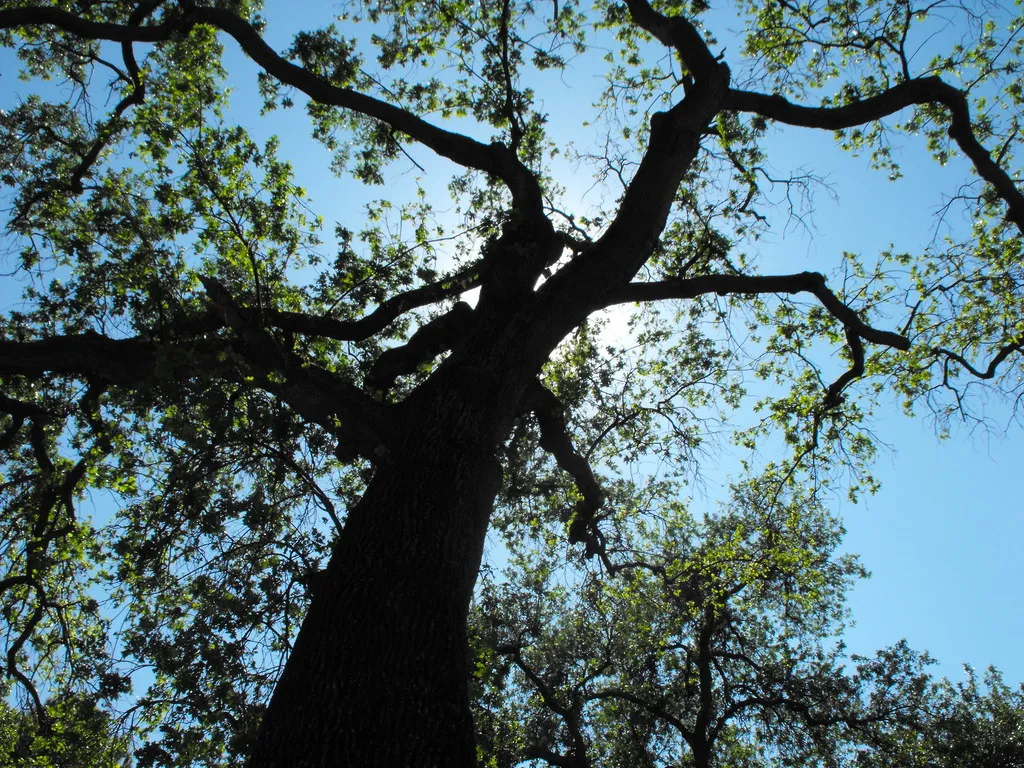
Cost does not have to be the barrier that keeps a shaded backyard out of reach. Tree Fresno, a nonprofit that has spent nearly four decades working on the region’s urban forest, runs an Adopt a Tree program for residents in specific South Central Fresno neighborhoods. City of Fresno residents who reside in the designated AB 617 areas of Fresno are eligible to receive a free tree from the Adopt a Tree program, and residents in South Central Fresno may request one.
Beyond direct tree giveaways, broader landscape rebates can offset the cost of reworking a yard around new shade trees. Fresno homeowners may qualify for the Lawn-to-Garden rebate, up to $1,500, at $1.00 per square foot of lawn replaced. PG&E has also periodically distributed free shade trees to customers through its Energy-Saving Trees program, a partnership designed to help households cut cooling costs while expanding tree canopy across the utility’s Central California service area.
Fresno’s summers are not going to get gentler anytime soon, and no single tree is going to fix that entirely on its own. What these five species offer instead is a realistic, well-documented path toward a backyard that stays usable through July and August rather than one you simply endure until October. Planted now, with the right placement and a little patience through the early seasons, they will be doing quiet, measurable work long after this particular heat wave is forgotten.
AI Disclaimer: This article was created with the assistance of AI tools and reviewed by a human editor.