

It’s such a bummer when you spend hours weeding your beds only to realize you’ve pulled some of the best helpers in your garden! Many plants we label as “weeds” are actually powerhouse pollinator magnets, soil builders, or edible treasures just waiting for a chance to shine. I know the frustration of trying to maintain a pristine garden, but sometimes the scruffiest volunteers bring the most benefits!
In this article, from a gardener who’s learned her lessons the hard way, we’ll explore twelve common “weeds” that deserve a place in your patch. Each section dives into what makes these plants special—from nesting sites for beneficial insects to nitrogen-fixing superpowers—and covers their origins and invasiveness so you can decide just how much real estate they earn. Let’s dig in (and maybe leave a few volunteers growing)!
Common Violet (Viola sororia)

Common violets carpet lawns and shady spots with heart-shaped leaves and delicate purple blooms in early spring. Beyond their sweet appearance, they attract early-season pollinators like native bees and tiny syrphid flies, which nest beneath the foliage and forage at first light! I love finding violets popping up in a shady corner—those blossoms are edible, too, adding a pop of color to salads and desserts.
Native to eastern North America, violets aren’t considered invasive here—they form tidy clumps rather than running rampant. Their creeping rhizomes stabilize bare soil and outcompete more aggressive weeds. Once I learned that violets host fritillary butterfly larvae, I vowed never to uproot them, knowing they’re essential for the lifecycle of these delicate pollinators.
Stinging Nettle (Urtica dioica)
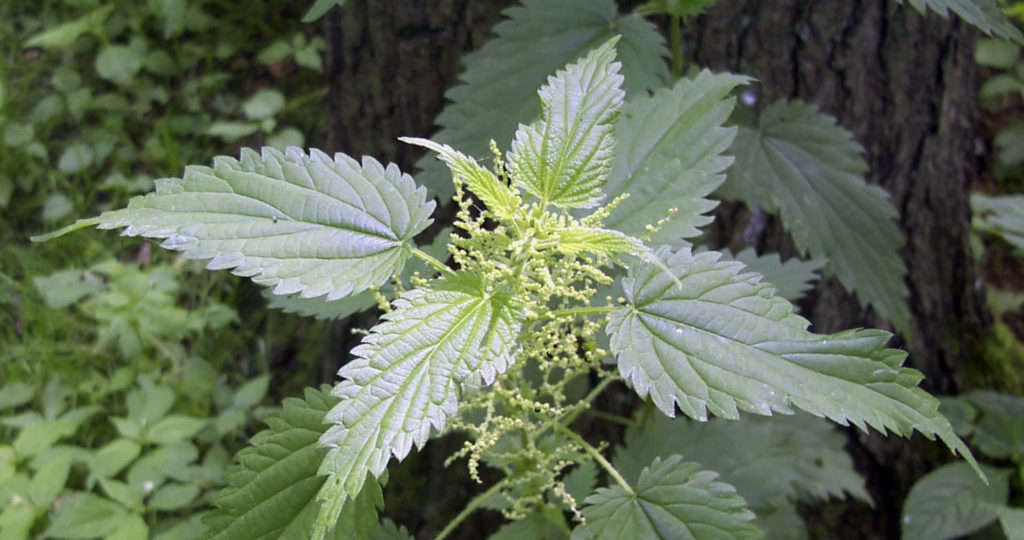
Stinging nettle may give you a zap if you brush past its leaves, but it’s one of nature’s richest sources of vitamins and minerals—perfect for nourishing both soil and stir-fries! Nettles attract ladybugs and lacewings, which nest and lay eggs within the dense stands, helping keep pests in check. I harvest young shoots with gloves in spring for nutrient-packed nettle tea and soup—a ritual I look forward to every year!
Originally from Europe and temperate Asia, stinging nettle has naturalized in many regions, but its stands rarely spread uncontrollably in well-managed gardens. It thrives in nitrogen-rich soils, signaling that your bed is fertile and ready for planting. Every time I see a patch, I know my compost is working—and I let nettles stay as a living indicator of soil health, just keeping their height in check.
Purslane (Portulaca oleracea)

Purslane’s succulent, spoon-shaped leaves and bright yellow flowers often pop up in sun-baked cracks—yet this little powerhouse packs omega-3 fatty acids and antioxidants worthy of any superfood list! Pollinators love its open blooms, and ground-nesting bees frequently set up house among its low mats. I always leave a corner of my patio pot untouched so I can harvest purslane greens all summer long!
Native to hot, arid regions of the Mediterranean and Southeast Asia, purslane thrives worldwide but seldom outcompetes native flora when given a bit of space. In fact, its deep roots help break up compacted soil, improving drainage and bringing nutrients closer to the surface. I find that allowing a small patch to remain unmowed not only provides an edible snack but also shows me where drainage might be slow in my raised beds.
Milkweed (Asclepias syriaca)

Milkweed’s tall stalks and clusters of fragrant blossoms are essential for monarch butterflies, which lay eggs on the leaves and depend on the toxic sap to deter predators. The silky floss from seed pods provides nesting material for native bees and small birds—one of my favorite garden helpers! Watching monarch caterpillars munch away is such a thrill, and I always resist the urge to pull milkweed volunteers near my veggie plot.
Though native to eastern North America, milkweed can self-seed vigorously in disturbed soils. While not labeled invasive, it’s wise to deadhead spent blooms to prevent unchecked spread. In my garden, I designate a sunny corner for milkweed, where it can grow freely without crowding my more delicate spring ephemerals. The trade-off is more vibrant monarch migrations through my yard year after year!
Dandelion (Taraxacum officinale)
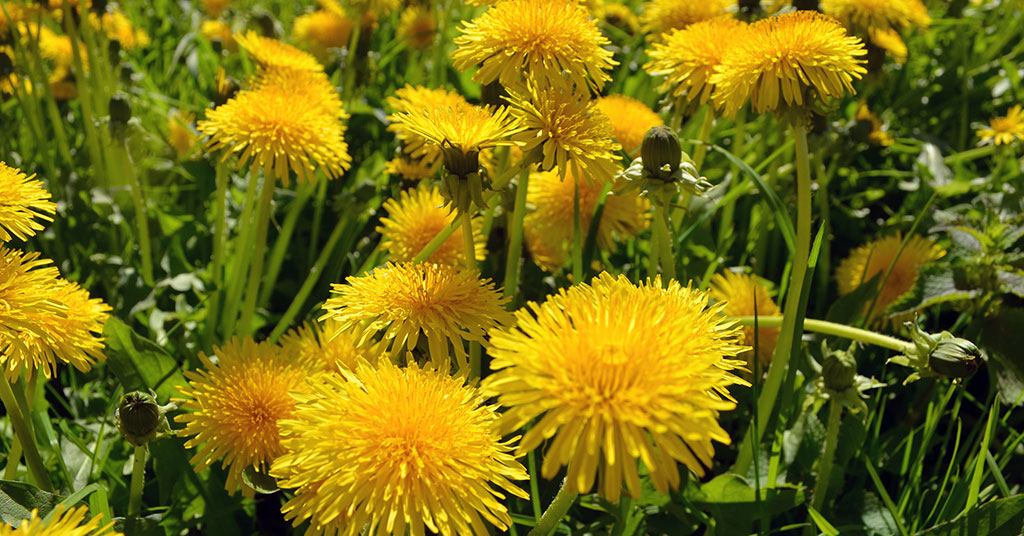
That bright burst of yellow in April? Dandelions are among the first nectar sources for honeybees and solitary bees emerging from winter! Their deep taproots break up compacted soil, drawing up minerals and improving structure. I confess—one of my favorite garden rituals is snipping off dandelion heads for fritters and salads, celebrating their tangy flavor and freeing space for native wildflowers.
Introduced from Europe in the 17th century, dandelions naturalized quickly but seldom overwhelm well-established plantings. They spread by wind-blown seeds, but a single strong pull at the rosette stage usually removes the entire taproot. Now I spot rosettes and harvest them as microgreens, turning what once felt like a nuisance into a dinner garnish!
Yarrow (Achillea millefolium)
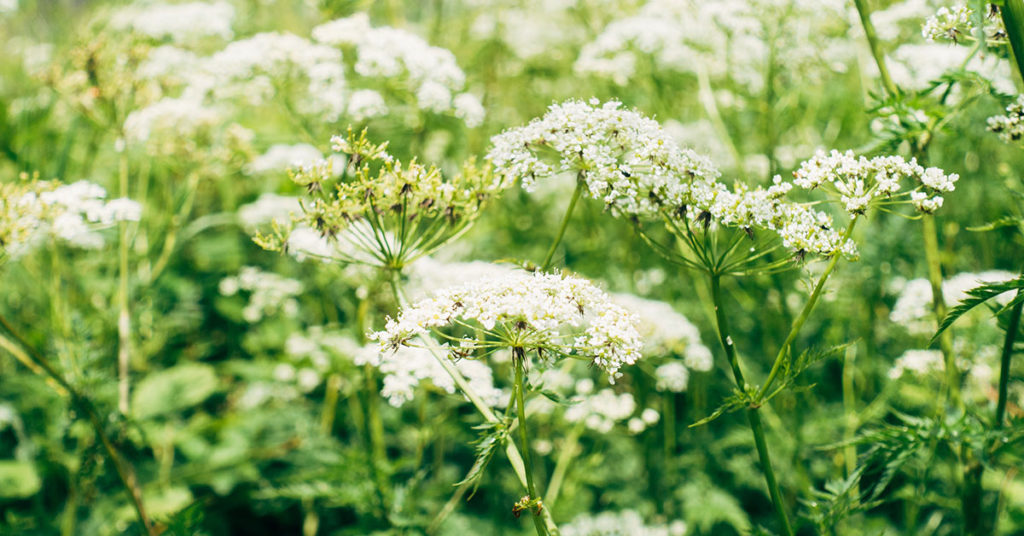
Yarrow’s flat-topped clusters of white or pink blooms are magnets for predatory wasps, ladybugs, and lacewings that nest among the feathery foliage—nature’s own pest-control squad! The crisp foliage also releases compounds that repel certain root pests, making yarrow a stellar companion for many veggies. I adore snipping its long-lasting blooms for drying and homemade herbal wound salves!
Native across temperate regions of the Northern Hemisphere, yarrow spreads by creeping rhizomes, but it rarely behaves invasively in a mixed border. In fact, its fast growth outcompetes more aggressive weeds, and once established, it stabilizes soil on slopes and paths. I let it naturalize in my cottage-style flower beds, knowing it has my back when slugs appear!
Lamb’s Quarters (Chenopodium album)
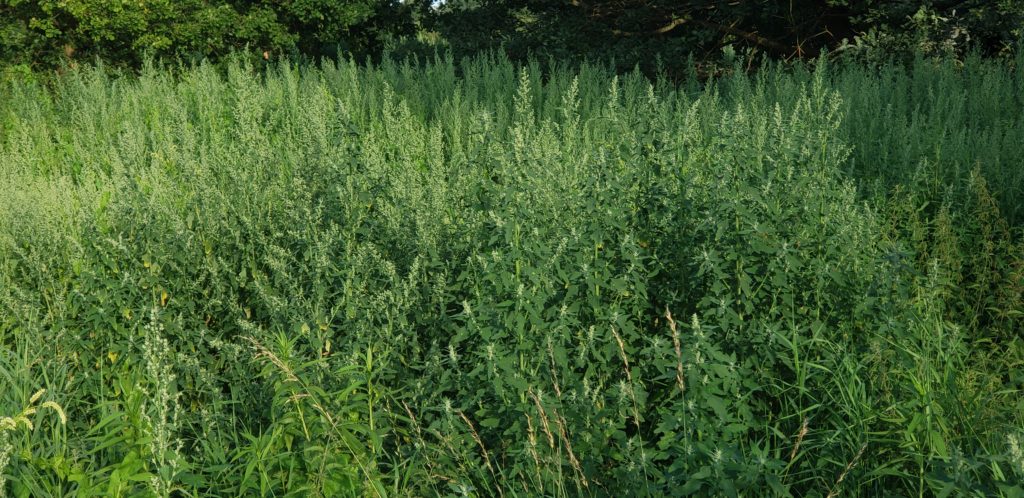
Often mistaken for pigweed, lamb’s quarters produces tender, mealy-textured leaves rich in vitamins A and C. Its airy flower spikes provide pollen for tiny wild bees and hoverflies, which nest in nearby bare soil patches. Each spring, I harvest young leaves like spinach and marvel at how this weed always offers a new flush of growth!
Native to Europe and Asia, lamb’s quarters is now common across North America. It thrives in fertile soils but tends to fade once larger garden plants fill in. Though it self-seeds abundantly, a quick pull before flowering controls its population. I love that it signals nutrient-rich ground—sort of nature’s soil-test reminder—so I often let a few plants stay to mark where my compost amendments took hold.
Goldenrod (Solidago canadensis)
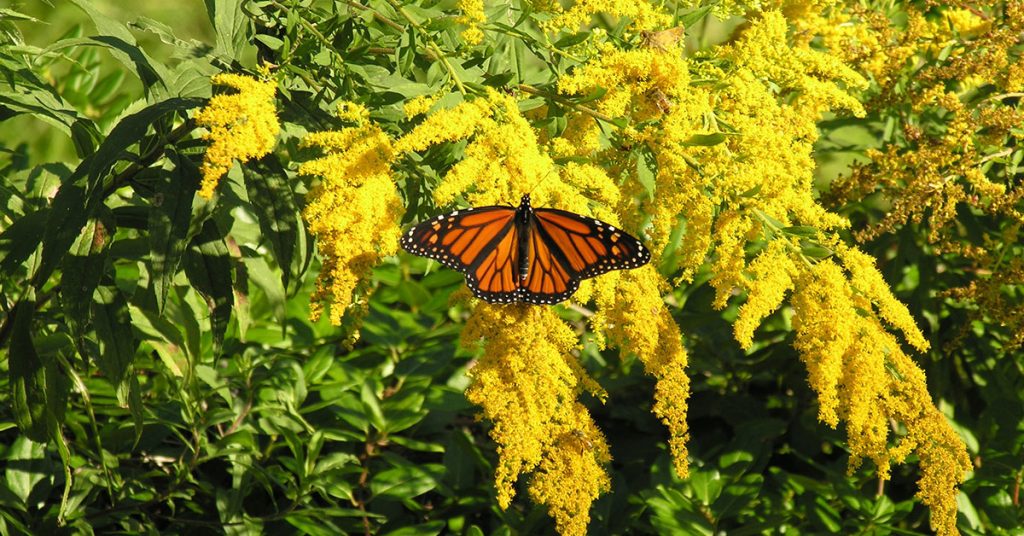
Goldenrod’s brilliant plumes of yellow flowers light up late summer, feeding hundreds of pollinator species, including specialist solitary bees and butterflies preparing for migration. I’ve watched bumblebees burrow into its blooms and nest among the dense basal leaves—such a treat to observe! Its deep roots also prevent erosion along walkways and embankments.
Solidago canadensis is native to North America, but cultivars and related non-natives can become aggressive. I stick with local ecotypes and deadhead spent stems to curb self-seeding. In my yard, goldenrod forms a majestic backdrop to late-blooming perennials, and I treasure the buzzing garden parties it hosts come August and September!
Chickweed (Stellaria media)
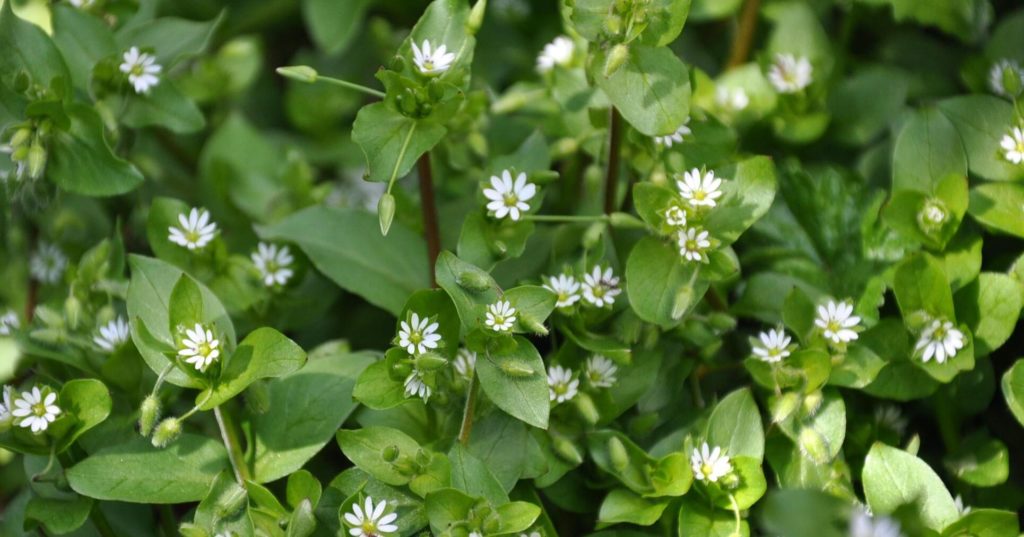
Chickweed’s tiny white stars blanket moist, shaded soils, offering nectar to small solitary bees and hoverflies when few other blooms are available. As its name suggests, chickens adore it—if you keep a few hens, they’ll scratch up seedlings, spreading nutrients and giving you fresh eggs! I sometimes leave a swath near my coop just for them.
Native to Europe but long naturalized here, chickweed seldom crowds out established plants, thriving instead in gaps under shrubs or around stepping stones. While it regrows quickly, a simple rake-over keeps it in check. I actually mix tender chickweed shoots into my spring salads—one of the first greens of the season and a delightful garden gift!
White Clover (Trifolium repens)

White clover’s trifoliate leaves and small white puffballs of flowers not only fix atmospheric nitrogen into the soil but also provide an irresistible buffet for bumblebees and honeybees. I spot nests of ground-dwelling miner bees right under clover patches—no better place for pollinator real estate! The thick carpet of clover suppresses more troublesome weeds and stays low enough to coexist with lawn grasses.
Native to Europe but now a staple in meadows worldwide, white clover’s spreading habit is easy to manage. I let it fill in worn paths and between stepping stones, where its low height won’t compete with my ornamentals. Best of all, soil beneath clover beds requires less supplemental fertilizer—saving me time, money, and trips to the garden center!
Broadleaf Plantain (Plantago major)

Broadleaf plantain’s wide, ribbed leaves form rosettes that attract ground-nesting bees and predatory ground beetles seeking shelter under the foliage. Its slim seed spikes feed tiny birds like sparrows through the winter, and poultices made from crushed leaves soothe insect bites and minor wounds—one of nature’s built-in first-aid kits!
A native of Europe and temperate Asia, plantain now grows on every continent. It’s rarely invasive in turf or garden beds, preferring compacted soil where other plants struggle. In my raised beds, its presence tells me when soil compaction needs addressing; a quick fork-over and a patch of plantain rosettes makes a perfect spot to test my soil-loosening skills!
Mullein (Verbascum thapsus)
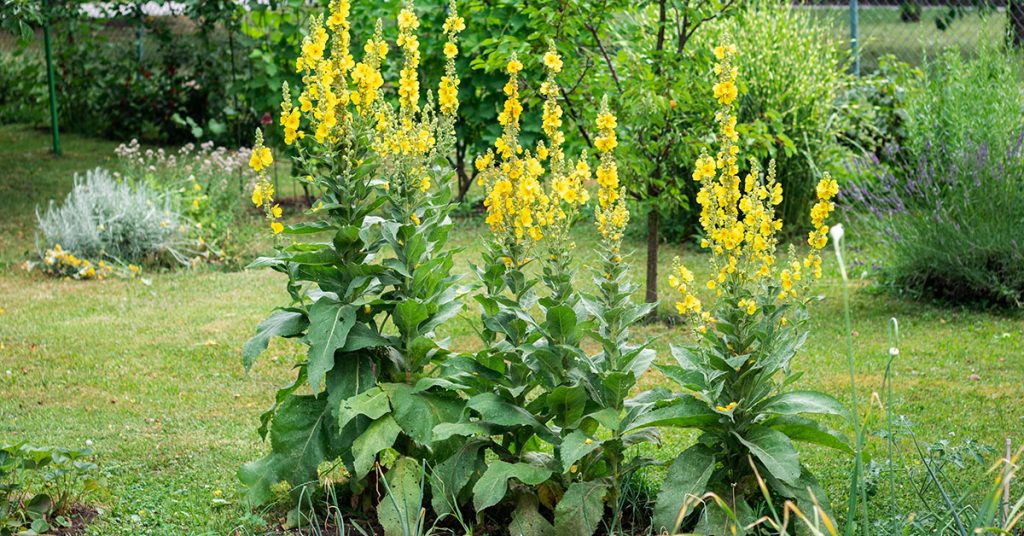
Mullein’s tall spikes of yellow flowers are magnets for long-tongued bees—miners and bumblebees alike—nesting in the soft, woolly leaves below. I’ve watched hummingbird moths hover to sip its nectar; their presence always thrills me on a summer evening stroll! The large basal leaves also act as a living mulch, retaining soil moisture beneath their fuzzy canopy.
Originating in Europe and Asia, mullein naturalizes widely but typically remains confined to disturbed ground and roadsides, never aggressively choking out native understory plants. I let a few specimens grow along my driveway, where they thrive in poor soil, and then collect seeds to share with other gardeners—turning a “weed” into a wildflower favorite!