

If you’ve been in the gardening world long enough, you’ve probably seen gorgeous raised beds or trellises made from treated wood and thought, “That’s sturdy—maybe I should try that!” But here’s the thing: not everything that looks strong and weather-resistant is necessarily safe for your plants, your soil, and your own health. Treated wood—especially certain types—contains chemicals designed to prevent rot and insect damage, and while that sounds useful, those very same chemicals can create some sneaky, long-term problems in your garden. I’ve seen gardeners put in hours of work building beds only to regret it a few years later when the soil, plants, or even the wildlife they were hoping to attract starts showing signs of trouble.
I completely get why treated wood is tempting—it’s often cheaper than cedar or redwood, and it stands up better to the elements than raw pine. But what many gardeners don’t realize is that those preservatives don’t just stay in the wood. Over time, rain, irrigation, and even natural soil microbes can cause those chemicals to leach out, where they may be absorbed by your plants, washed into groundwater, or impact beneficial soil life. That’s not the kind of “fertilizer” any of us want to be adding! Let’s take a closer look at the hidden dangers so you can make an informed choice before putting treated wood anywhere near your food crops or wildlife-friendly spaces.
Chemical Leaching Into Soil
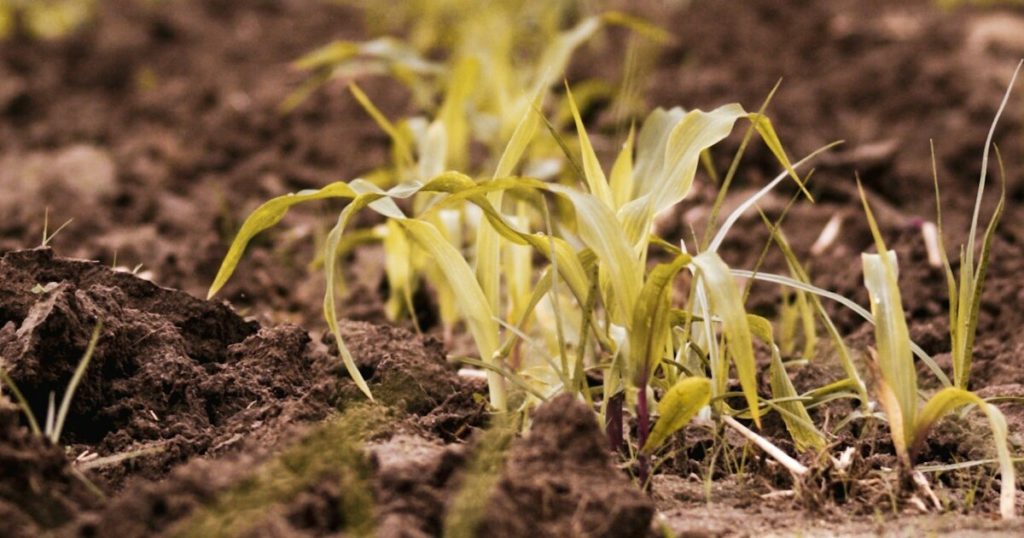
One of the biggest concerns with treated wood is the gradual leaching of preservatives into the soil. Modern pressure-treated wood often uses alkaline copper quaternary (ACQ) or copper azole (CA) as a preservative, replacing the older and even more hazardous chromated copper arsenate (CCA) that was phased out for residential use in the early 2000s. While these newer chemicals are less toxic to humans than arsenic-based treatments, they’re still designed to be lethal to fungi and insects—which means they can disrupt the delicate microbial balance that keeps your soil thriving. Over time, copper buildup can even reach levels that are toxic to plants, especially sensitive species.
If your garden attracts earthworms, pollinators, or beneficial ground beetles, they can be affected by these changes too. I’ve seen beautiful raised beds lose their vibrant soil life after a few years because the balance was thrown off by chemical intrusion. Without healthy microbial communities and soil dwellers, plants struggle to get the nutrients they need naturally, leaving you more dependent on synthetic fertilizers. And if you’re growing vegetables or herbs for your family, that leaching means the chemicals may make their way into your food—definitely not what you want in your salad or soup!
Harm to Beneficial Insects and Wildlife
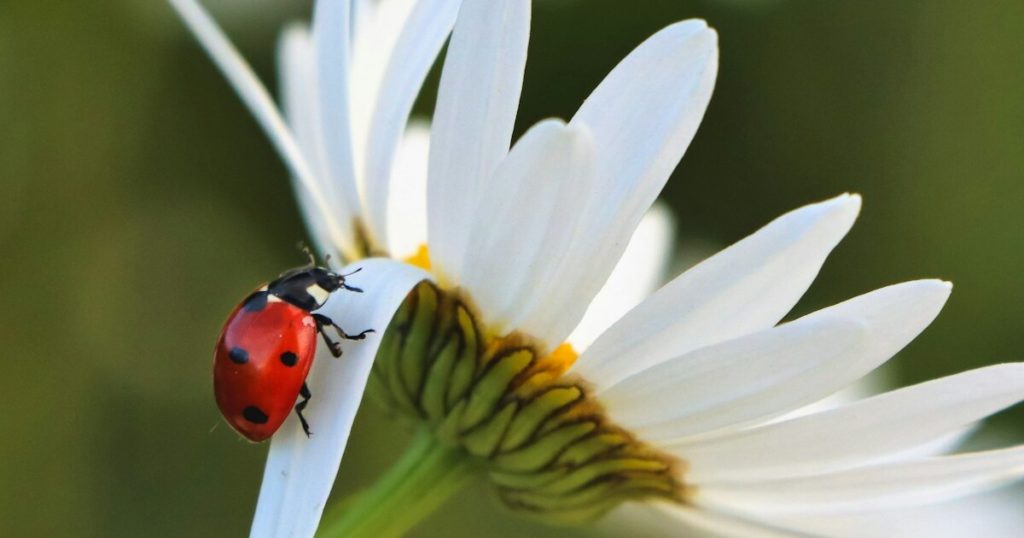
Many gardeners forget that the “insect-repelling” qualities of treated wood aren’t picky about which insects they target. Those same toxins that discourage termites and carpenter ants can harm pollinators, predatory beetles, and other beneficial insects that help keep your garden balanced. This includes solitary bees, which may nest in small cracks in wooden structures, and ladybugs that take shelter nearby during cooler weather. I know how heartbreaking it is to put time into creating a pollinator-friendly space only to realize the very materials you used might be driving them away.
Wildlife such as lizards, frogs, and even birds can also be exposed through direct contact or by eating insects that have come into contact with treated wood surfaces. If you’ve created a habitat garden to encourage these little helpers, using treated wood might work against your goal. Over time, fewer pollinators and natural predators mean more pest problems, and suddenly you’re stuck in a cycle of fighting off aphids, caterpillars, or mites without the backup of nature’s own pest control team.
Groundwater Contamination Risks

It’s easy to forget that what happens in our gardens doesn’t stay there—especially when it comes to water. When treated wood is exposed to rain or frequent irrigation, chemicals can be carried away in runoff, potentially entering storm drains, streams, or even your well water if you live rurally. For those of us who work so hard to garden sustainably and protect our water resources, this can be a huge concern. The copper and other biocides used in treated wood don’t just vanish—they accumulate in waterways, where they can be harmful to fish, amphibians, and aquatic plants.
Even in small home gardens, this contamination can be a problem over the years. If you’re building raised beds, fences, or compost bins that sit directly on soil, water can carry those compounds right through your yard. And since these chemicals are designed to resist breakdown, they can linger for a long time. I’ve met gardeners who thought they were doing something eco-friendly with their landscape design, only to find out later that treated wood had quietly been undoing much of their hard work to protect the environment.
Reduced Soil Microbial Health

Healthy soil is alive—it’s teeming with bacteria, fungi, and tiny invertebrates that work together to break down organic matter and make nutrients available to plants. Unfortunately, the fungicides in treated wood are meant to suppress fungal activity, which means they can unintentionally harm the beneficial mycorrhizal fungi your plants rely on for nutrient absorption. Without this natural support network, plants can become weaker, more prone to disease, and less resilient to drought or nutrient deficiencies.
Over time, a decline in soil life can make your garden harder to maintain. Instead of thriving with minimal intervention, you may find yourself constantly amending, fertilizing, or replacing plants. And if you’re like me, you’d rather spend that time enjoying your garden instead of waging an uphill battle to keep it alive. That’s why choosing untreated or naturally rot-resistant woods like cedar or redwood can make such a big difference—they support soil health instead of hindering it.
Heat Retention and Surface Hazards
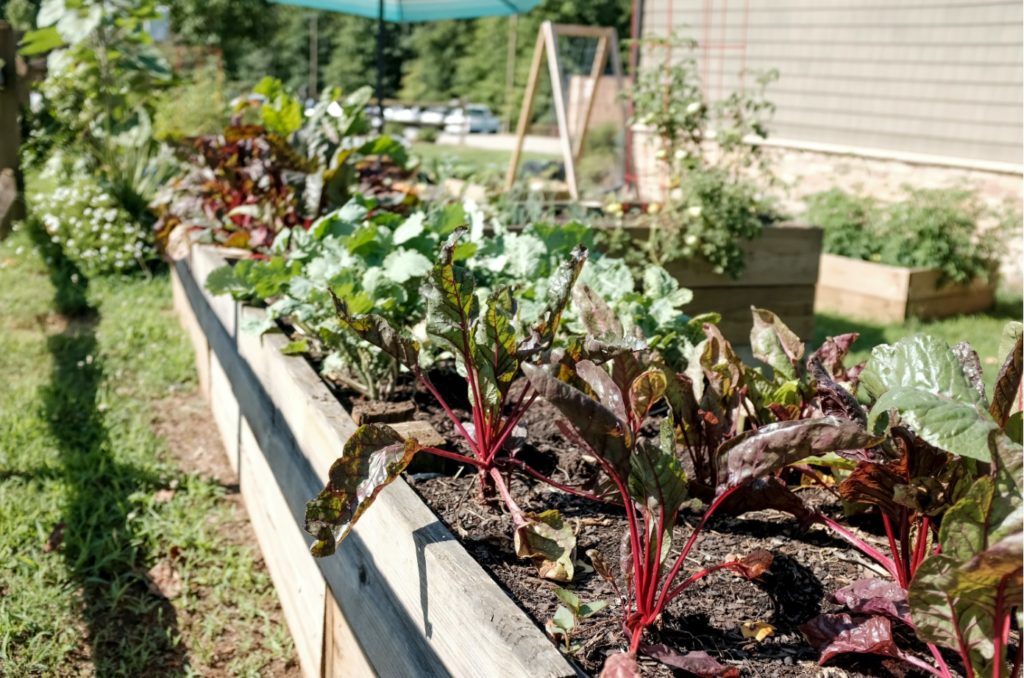
Treated wood can get surprisingly hot in full sun, and while that might seem like a minor issue, it can actually impact tender plants growing nearby. Heat radiating from wooden edges of raised beds can cause stress or even root damage in plants close to the edge, especially during summer heatwaves. This is something I’ve noticed when helping friends troubleshoot why certain plants on the border of their beds never seem to thrive.
Additionally, treated wood often has a rougher texture and can splinter more easily over time compared to naturally rot-resistant hardwoods. Those splinters aren’t just uncomfortable for you—they can be hazardous to pets, wildlife, and even beneficial insects crawling across the surface. I’ve seen bees get their wings caught in jagged wooden fibers and lizards avoid areas entirely after surfaces became too rough.
Food Safety Concerns for Edible Gardens

Perhaps the most worrisome aspect for many gardeners is the potential for chemicals from treated wood to be taken up by edible plants. While research on the extent of chemical uptake is still ongoing, enough evidence exists to suggest caution—especially when growing root vegetables, leafy greens, and herbs, which can absorb and store higher amounts of contaminants. I’ve had fellow gardeners tell me they stopped using their treated-wood beds for vegetables after learning this, switching them over to ornamental plants instead.
If you’re feeding your family from your garden, this is a risk worth taking seriously. It’s not just about the immediate harvest—it’s about the cumulative exposure over seasons of growing. The idea of eating a salad with trace amounts of copper biocides is unsettling, and avoiding the problem altogether is far simpler than trying to manage it after the fact.
Longevity Isn’t Always a Benefit
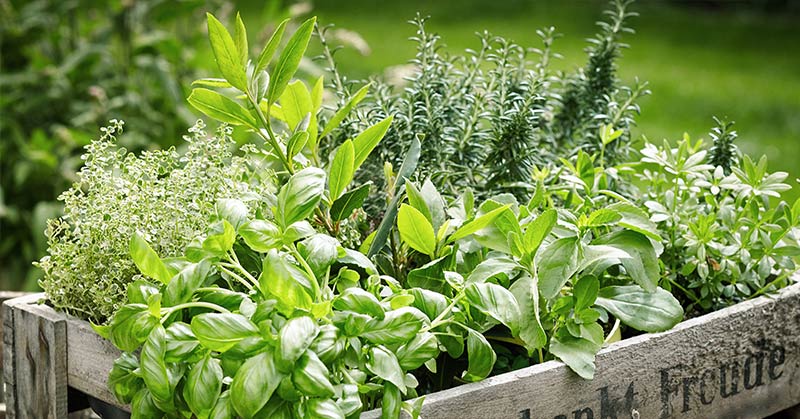
Treated wood’s durability is one of its main selling points, but in the garden, “lasting forever” isn’t always ideal. When you use materials that won’t break down naturally, you commit your space to their presence for decades—chemicals and all. This can make it harder to rotate crops, redesign your garden, or change the layout without dealing with large, heavy, and potentially hazardous waste.
I’ve had to help remove treated lumber from older gardens, and it’s not just a chore—it’s a disposal issue. Many waste facilities have special handling requirements for treated wood because of its chemical load, which means you can’t just toss it into the landfill or burn it. If you think you might change your garden’s setup in the future, untreated options are much more flexible and eco-friendly.
Impact on Compost Systems

If you’re building compost bins out of treated wood, there’s a hidden risk of contaminating the very compost you intend to feed your garden. As the bins weather, chemicals can leach into the decomposing organic matter, which will then be spread across your beds, undoing all the hard work you put into creating healthy, organic soil. I’ve met compost enthusiasts who couldn’t figure out why their crops seemed to suffer more each year—only to discover their bin construction was the culprit.
Because composting relies on microbes, fungi, and worms to break down material, introducing fungicides and biocides from treated wood disrupts the entire process. Your compost may take longer to mature, smell unpleasant, or fail to support plant growth the way it should. Switching to untreated hardwood or even recycled plastic for compost structures avoids this slow sabotage.
Safer Alternatives Exist

The good news is that there are plenty of safe, long-lasting alternatives to treated wood for garden use. Cedar and redwood, for example, are naturally rot-resistant and have their own insect-deterring properties without harmful additives. Other gardeners swear by composite lumber or reclaimed stone and brick, which not only last but can also add visual charm to your garden.
If cost is the main obstacle, you can even use untreated pine or fir and accept that it will need replacing sooner. For many, this trade-off is worth it to keep soil and food clean. And if you really love the look of wood but want to add protection, using natural oils or sealants like linseed oil can extend its life without introducing synthetic chemicals into your garden ecosystem.