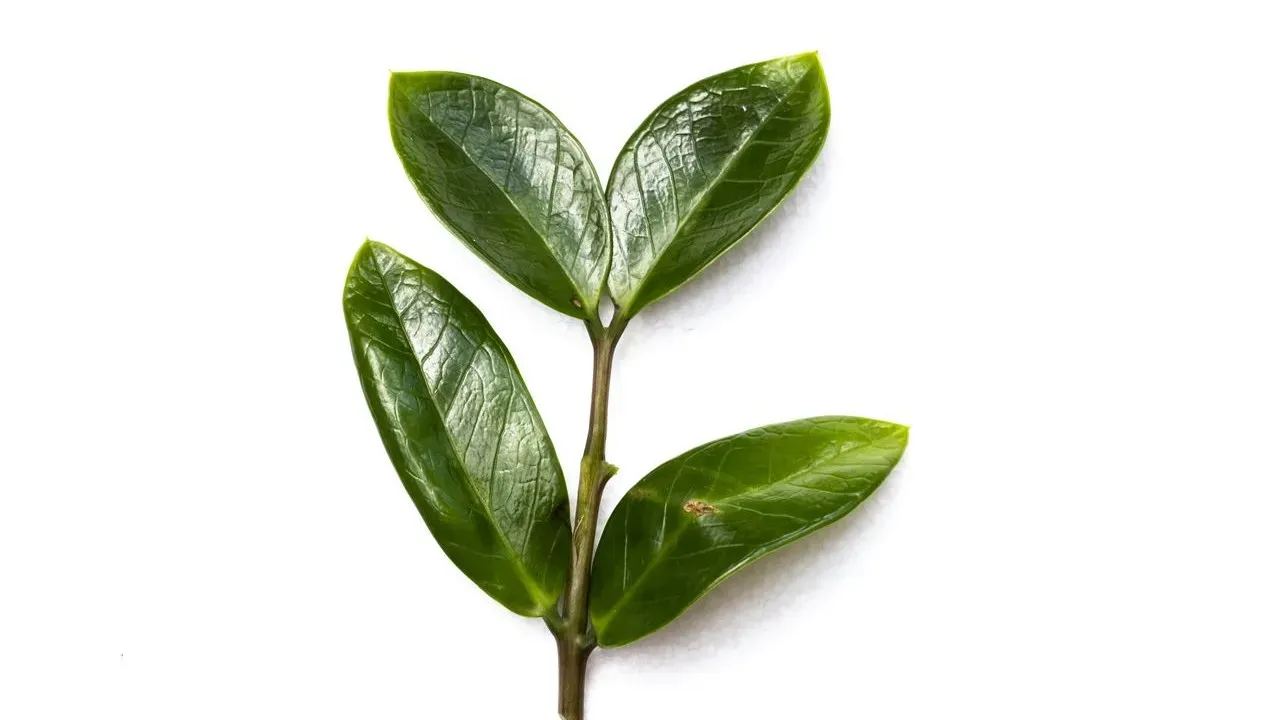

A jar of bay leaves sits in many spice racks, often untouched after a single recipe. The leaves can lend a quiet woodsy note to everyday household routines, yet popular online suggestions about repelling insects lack support from extension services. Recent attention to these household ideas highlights both the practical options and the limits of what dried bay leaves can reliably do.
Why the Scent Matters More Than the Hype
Bay leaves from the true Mediterranean or Turkish variety carry a mild herbal aroma that works well in non-cooking settings. This quality sets them apart from viral claims that position the leaves as a pantry safeguard. Extension experts note the absence of evidence for insect control in real kitchen conditions, shifting focus instead to simple scent applications that require little effort. The distinction matters because many households already keep the leaves on hand. Using them for fragrance avoids waste while steering clear of unproven methods. Safety remains essential, as whole leaves stay stiff and can pose choking risks if swallowed.
Creating a Gentle Simmer Pot
A small pot on the stove offers one straightforward way to enjoy the aroma. Combine two or three dried bay leaves with citrus peel, a cinnamon stick, and a few cloves in several cups of water. Bring the mixture to a gentle simmer, then reduce the heat and replenish water as needed to maintain the scent without boiling dry. Attention to fire safety is important during this process. Never leave the pot unattended, and keep it away from pets. The result is a subtle room freshener that draws on the leaf’s natural profile without additional products.
Freshening Drawers and Closets
Dried bay leaves also serve as an easy sachet filler for storage spaces. Place six to eight fully dry leaves inside a small cloth pouch or muslin square, crush them lightly to release more fragrance, and add optional items such as a cinnamon stick. Tuck the pouch into a drawer or shoe, replacing the contents when the scent fades. Complete dryness prevents mustiness in enclosed areas. The approach provides a low-cost freshener rather than any protective barrier. Store sachets out of reach of children and pets to maintain safety.
Addressing the Pantry Claim and Practical Steps
University guidance finds no reliable effect from placing bay leaves in cupboards against stored-food insects. Laboratory tests from decades ago showed limited repellent activity in controlled flour settings, yet those conditions differ from typical pantry shelves. Concentrated oils produce different results from whole dried leaves. Better prevention relies on basic storage habits.
- Transfer dry goods into sealed glass, metal, or heavy plastic containers.
- Inspect packages for damage or signs of insects before purchase.
- Buy smaller quantities of susceptible items, especially during warmer months.
- Freeze suspect goods at 0°F for at least four days if needed.
- Vacuum shelves and corners regularly to remove crumbs.
These measures address the root causes of infestations more effectively than scent alone.
Tea and Final Considerations
Steeping one dried bay leaf in hot water for five to ten minutes produces a mild herbal infusion once strained. Any interest in regular use for health reasons warrants consultation with a healthcare professional, particularly for those managing blood sugar. The leaf itself should never be swallowed whole. Bay leaves remain best suited to scent-based roles around the home. Their value lies in straightforward applications rather than overstated claims, offering a modest way to refresh spaces without complication.
AI Disclaimer: This article was created with the assistance of AI tools and reviewed by a human editor.