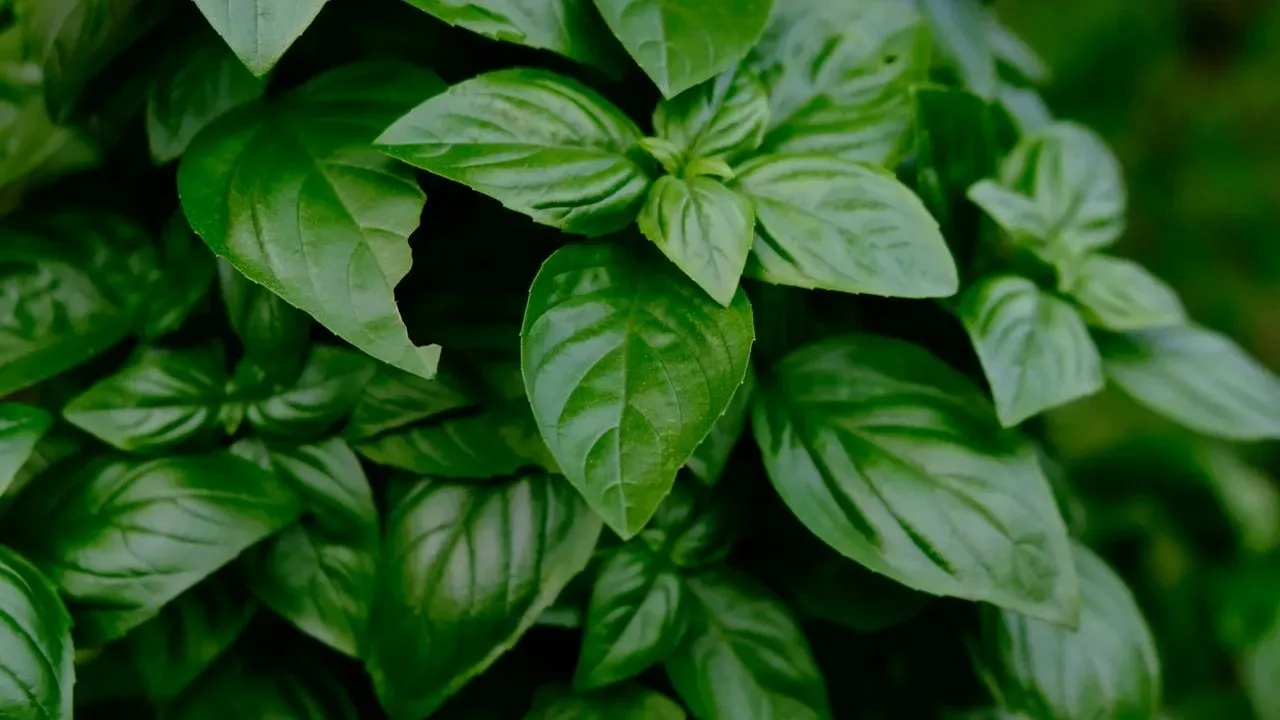

Gardeners across cooler regions face a familiar challenge each year as temperatures drop. Basil, a tender herb prized for its flavor, cannot withstand frost, yet many find ways to extend its life well beyond the summer months. The payoff comes in the form of fresh pesto in winter, when supermarket basil gets pricey after summer and supplies often dwindle. Keeping garden basil alive in cold months offers both savings and convenience for home cooks who value homegrown ingredients.
Understanding the Seasonal Shift
Basil thrives in warm conditions and signals distress quickly once nights turn cool. In fall, shorter days and the first light frosts prompt many growers to act before plants suffer permanent damage. The timeline matters: decisions made in early autumn determine whether a crop can transition indoors or under protection for continued harvest. Gardeners who monitor forecasts and respond promptly often maintain productive plants through the coldest months. This shift affects home cooks and small-scale growers most directly. They lose access to abundant outdoor harvests and face higher costs at the store. Planning ahead turns a potential loss into an opportunity for year-round supply.
Practical Steps for Protection
Moving plants indoors before frost arrives ranks among the most reliable approaches. Containers allow easy relocation to sunny windows or under grow lights, where basil can continue growing at a slower pace. Consistent moisture and adequate light help the herb adjust without major stress. Some gardeners opt for cuttings taken in late summer. These root quickly in water or soil and establish new plants suited to indoor conditions. The method reduces the risk of bringing pests or diseases inside with full-sized specimens. Outdoor options remain limited. Heavy mulching or temporary covers can shield plants during brief cold snaps, but sustained freezing temperatures usually end the season. Most successful winter harvests come from protected environments rather than open ground.
Long-Term Benefits for Home Gardens
Extending basil production changes the economics of fresh herbs. Supermarket prices rise sharply once local supply ends, making home-grown leaves a clear advantage. A single healthy plant can supply enough foliage for multiple batches of pesto throughout the winter. The practice also builds gardening skills. Learning to manage light, temperature, and watering indoors prepares growers for other tender crops in future seasons. It turns a seasonal limitation into a manageable routine.
What Matters Now
Gardeners who start the transition process in fall position themselves for steady harvests later. The effort requires modest space and attention yet delivers consistent flavor without repeated store trips. Those who succeed often repeat the cycle each year, turning one season’s crop into a reliable winter resource.
AI Disclaimer: This article was created with the assistance of AI tools and reviewed by a human editor.