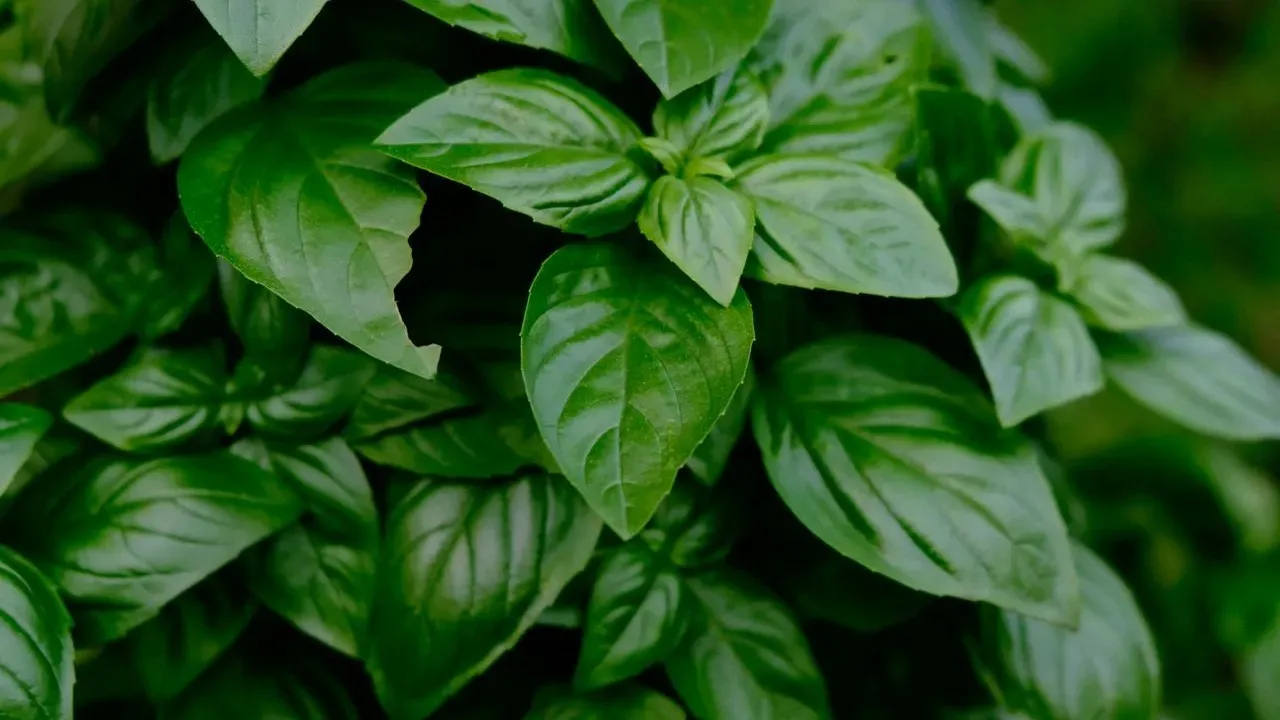

Basil ranks among the most popular kitchen herbs for its distinctive flavor in countless dishes. Yet many gardeners watch their plants suddenly shift from leafy growth to tall flower stalks as summer temperatures rise. This process, known as bolting, marks a natural reproductive response that reduces leaf quality and harvest potential. Understanding the environmental cues behind it allows for timely interventions that can extend productive growth.
The Primary Driver Behind Bolting
High temperatures represent the main factor that prompts basil to bolt. When daytime readings climb consistently into the upper 80s or 90s Fahrenheit, the plant interprets the conditions as a signal to reproduce rather than continue vegetative growth. This response accelerates further during heatwaves or when warm spells follow cooler periods. The result appears as a central stalk that elongates rapidly and produces flower buds.
Once flowering begins, the plant redirects energy away from new leaves. Those leaves that remain often develop a more bitter taste, diminishing their culinary value. Gardeners notice the change most clearly in mid to late summer when sustained heat becomes common across many regions.
Immediate Steps When Bolting Starts
Pinching or cutting flower buds as soon as they appear offers the most direct way to slow the process. Regular removal prevents the plant from completing its reproductive cycle and encourages lateral branching instead. Snipping just above a leaf node stimulates fresh stem and leaf production from the sides.
Harvesting frequently throughout the season also delays bolting. Removing the top growth before flowers form keeps the plant in a vegetative state longer. Consistent moisture in the soil supports this effort, as drought stress compounds the effects of heat.
Preventive Measures for the Growing Season
Planting basil after the last frost and once soil temperatures stabilize above 50 degrees Fahrenheit gives the crop a stronger start before peak summer heat arrives. Providing afternoon shade during intense periods helps moderate conditions around the plants. Simple shade cloth or row covers positioned overhead can reduce direct sun exposure without blocking all light.
Mulching around the base of each plant maintains cooler root zones and retains soil moisture. Succession planting at intervals of a few weeks ensures a steady supply of younger, less stressed plants even if earlier ones begin to bolt. These combined practices address both temperature and day-length influences that contribute to the shift.
Options After Bolting Occurs
Bolted basil still yields usable leaves for a period, though flavor changes warrant tasting before large harvests. The flowers themselves attract pollinators and can be left in place if seed saving is the goal. Collecting seeds from mature flower heads allows gardeners to start new plants the following season from the same variety.
Some choose to remove the entire flowering stalk and continue light harvesting from remaining foliage. Others transition the plant to a seed-saving role while starting fresh transplants nearby. Either approach turns the natural cycle into a resource rather than a total loss.
Longer-Term Garden Planning
Selecting varieties known for slower bolting tendencies provides an additional layer of resilience in hot climates. Monitoring local weather patterns helps anticipate periods when extra shade or water management will prove necessary. Integrating these habits into routine care reduces the frequency and severity of bolting across successive seasons.
Basil remains a rewarding crop when its responses to summer conditions receive proactive attention. The same environmental pressures that trigger flowering also highlight opportunities for adjusted techniques that sustain harvests well into the warmer months.
AI Disclaimer: This article was created with the assistance of AI tools and reviewed by a human editor.