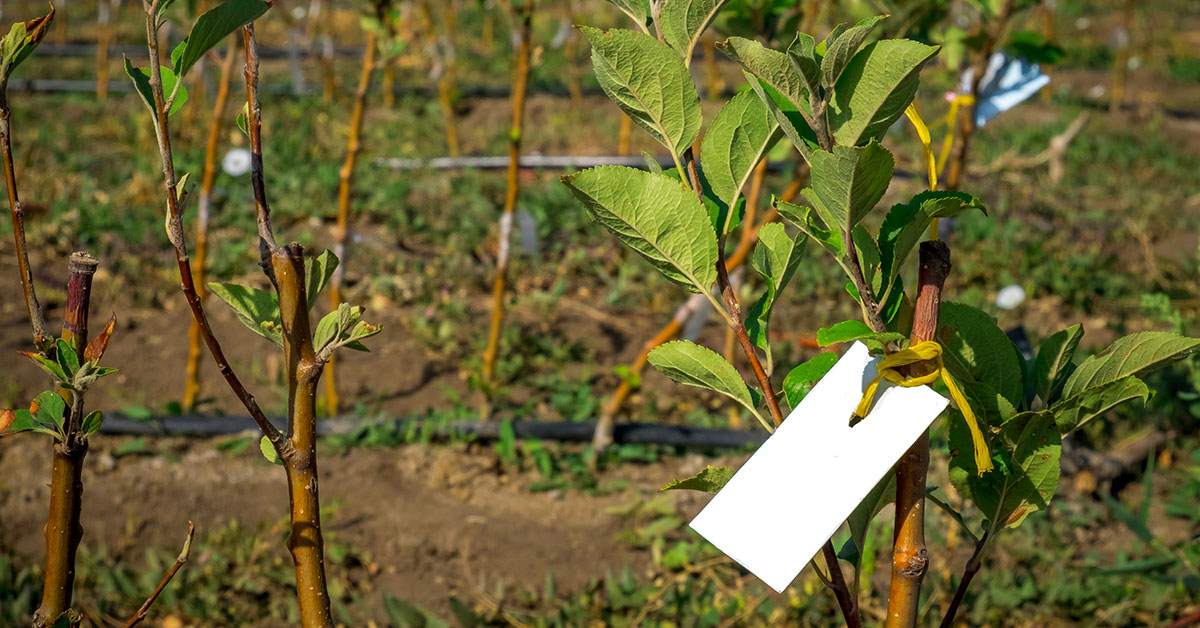

Welcome to the world of growing Bartlett pears, where the sweet and succulent fruit reigns supreme! Bartlett pears, also known as Williams pears, are one of the most popular and widely cultivated pear varieties around the globe. Renowned for their delectable taste, smooth texture, and vibrant yellow color, these pears are a true delight for both home gardeners and commercial growers. In this comprehensive guide, we will delve into the art of growing Bartlett pears, exploring everything from selecting the right cultivar and planting location to nurturing the tree throughout its life cycle.
Whether you are a seasoned gardener or a novice enthusiast, this article will equip you with the knowledge and techniques needed to successfully cultivate your own Bartlett pear tree and enjoy the bountiful harvest for years to come. So, let’s embark on this fruitful journey together and unlock the secrets of growing Bartlett pears!
What are Bartlett Pears?
The Bartlett pear, also known as Williams pear, is a popular variety of pear tree that is widely grown for its delicious and juicy fruit. It is a medium-sized tree that can reach a height of 15 to 20 feet (4.5 to 6 meters) and has a rounded, spreading canopy. The leaves are glossy green and oval-shaped, providing an attractive backdrop to the tree’s abundant fruit.
The Bartlett pear tree is known for its early and heavy fruit production. The fruit is medium to large in size, with a bell-like shape and a smooth, yellow skin that turns from green to yellow as it ripens. The flesh is creamy white, tender, and juicy, with a sweet and aromatic flavor. Bartlett pears are versatile and can be enjoyed fresh, used in cooking, or canned for later use. This variety of pear tree requires cross-pollination with another compatible pear variety to set fruit. It prefers full sun exposure and well-drained soil, although it can tolerate a wide range of soil types.
Bartlett pears are relatively easy to grow and are suitable for both backyard gardens and commercial orchards. Pruning is essential to maintain the shape and health of the tree, as well as to promote fruit production. Regular watering, especially during dry periods, is important for the tree’s growth and fruit development. Additionally, proper pest and disease management, such as monitoring for pests like aphids and applying appropriate treatments, will help ensure a healthy pear tree. Overall, the Bartlett pear is a highly regarded variety known for its exceptional flavor and productivity, making it a favorite among gardeners and fruit enthusiasts alike.
What do Bartlett Pears taste like?
The Bartlett pear, also known as the Williams pear, is widely recognized for its exceptional flavor profile. It is considered one of the most popular and delicious pear varieties available.
When fully ripe, Bartlett pears have a sweet, juicy, and aromatic taste. The flavor is often described as rich, buttery, and slightly musky. The sweetness is balanced with a subtle acidity, providing a pleasant and refreshing sensation on the palate.
The texture of a ripe Bartlett pear is smooth and creamy, with a tender and succulent flesh. It has a melting quality, meaning it easily dissolves in your mouth, leaving a luscious and satisfying sensation.
The aroma of a ripe Bartlett pear is enticing, with a fragrant and fruity scent that fills the air. It is often compared to the aroma of a ripe banana or a blend of tropical fruits.
Overall, the flavor profile of a Bartlett pear is a delightful combination of sweetness, juiciness, and a hint of tartness, making it a favorite choice for both eating fresh and using in various culinary applications.
How to start Bartlett Pears from seeds
Starting a Bartlett Pear tree can be done through grafting or growing from seeds. However, grafting is the preferred method as it ensures the desired characteristics of the Bartlett Pear variety. Here is a step-by-step guide on starting a Bartlett Pear tree through grafting:
- Select a healthy Bartlett Pear scion: Choose a scion (a small branch or bud) from a healthy Bartlett Pear tree that exhibits the desired characteristics such as fruit size, flavor, and disease resistance.
- Choose a compatible rootstock: Select a rootstock that is compatible with the Bartlett Pear scion. Common rootstocks for pear trees include Pyrus communis, Pyrus calleryana, and Pyrus betulaefolia. Ensure that the rootstock is disease-resistant and suitable for your climate.
- Prepare the scion and rootstock: Make a clean, slanted cut on both the scion and rootstock, ensuring that the cuts are at the same angle. The cuts should be made just above a bud.
- Join the scion and rootstock: Place the cut surfaces of the scion and rootstock together, ensuring that the cambium layers (the thin, green layer just beneath the bark) align. Use grafting tape or grafting rubber to tightly bind the scion and rootstock together.
- Protect the graft: Apply grafting wax or grafting compound to seal the cut surfaces and protect the graft from drying out and infections. This will help promote successful healing and integration of the scion and rootstock.
- Provide proper care: Place the grafted Bartlett Pear tree in a protected environment, such as a greenhouse or a sheltered area, to provide optimal conditions for healing and growth. Ensure that the tree receives adequate sunlight, water, and nutrients.
- Monitor and maintain: Regularly check the graft union for any signs of infection or graft failure. Remove any competing growth below the graft union to direct the tree’s energy towards the scion. Prune the tree as needed to promote a strong and balanced structure.
- Transplanting: Once the graft has successfully taken and the tree has grown to a suitable size (usually after one or two growing seasons), it can be transplanted to its permanent location in the garden. Choose a sunny spot with well-draining soil.
Remember, grafting can be a complex process, so it’s advisable to seek guidance from a local gardening expert or nursery to ensure successful grafting of your Bartlett Pear tree.
When to plant Bartlett Pears outdoors
The ideal time to plant Bartlett Pear trees is in late winter or early spring, before the tree starts to bud and the ground thaws. This allows the tree to establish its root system before the onset of summer heat. Planting in early spring also gives the tree a full growing season to establish itself before the winter dormancy period.
Growing & care guide Bartlett Pears
Caring for Bartlett Pear trees requires attention to various aspects such as planting, watering, fertilizing, pruning, and pest control. Here are some best practices to ensure the healthy growth and abundant fruiting of Bartlett Pear trees:
- Planting:
- Choose a sunny location with well-draining soil for planting Bartlett Pear trees.
- Dig a hole that is wide and deep enough to accommodate the tree’s root system.
- Place the tree in the hole, ensuring that the bud union (the swollen area where the tree was grafted onto the rootstock) is above the soil line.
- Backfill the hole with soil, gently firming it around the roots.
- Water the tree thoroughly after planting to settle the soil.
- Watering:
- Bartlett Pear trees require regular watering, especially during dry periods.
- Water deeply, ensuring that the soil is moistened to a depth of at least 12 inches.
- Avoid overwatering, as it can lead to root rot and other diseases.
- Mulch around the base of the tree to help retain moisture and suppress weed growth.
- Fertilizing:
- Apply a balanced fertilizer in early spring, just before new growth begins.
- Use a fertilizer specifically formulated for fruit trees, following the manufacturer’s instructions for application rates.
- Avoid excessive nitrogen fertilization, as it can promote excessive vegetative growth at the expense of fruit production.
- Pruning:
- Prune Bartlett Pear trees during the dormant season (late winter or early spring) to shape the tree and remove any dead, damaged, or crossing branches.
- Open up the center of the tree to improve air circulation and sunlight penetration.
- Remove any suckers or water sprouts that emerge from the base or trunk of the tree.
- Regularly prune to maintain a balanced and manageable tree size.
- Pest and Disease Control:
- Monitor the tree regularly for signs of pests such as aphids, pear psylla, or codling moth.
- Use organic or chemical insecticides as necessary, following the instructions carefully.
- Apply dormant oil spray during the dormant season to control overwintering pests and their eggs.
- Watch for signs of diseases like fire blight, which can cause branch dieback and fruit rot. Prune affected branches promptly and dispose of them away from the tree.
- Harvesting:
- Bartlett Pears are typically ready for harvest in late summer or early fall when they have reached their mature size and have a yellowish-green color.
- Gently twist and lift the pears to detach them from the tree, being careful not to damage the fruit or branches.
- Allow the harvested pears to ripen at room temperature before consuming or storing them.
By following these best practices, you can ensure the health and productivity of your Bartlett Pear tree, enjoying a bountiful harvest of delicious pears for years to come.
Harvesting guide for Bartlett Pears
The Bartlett pear is a popular variety known for its sweet and juicy flavor. Harvesting Bartlett pears at the right time is crucial to ensure optimal taste and texture. Here’s a step-by-step guide on when and how to harvest Bartlett pears:
- Timing: Bartlett pears are typically ready for harvest in late summer to early fall, depending on your location and climate. The best way to determine if the pears are ripe is by checking their color. When the green skin of the Bartlett pear turns yellow, it’s a good indicator that they are ready for picking.
- Firmness test: Gently press your thumb against the skin of the pear near the stem. If it yields slightly to pressure, it’s a sign that the fruit is ripe. Avoid applying too much pressure as it may bruise the pear.
- Harvesting: To harvest Bartlett pears, hold the fruit firmly and twist it upwards with a gentle motion. If the pear doesn’t come off easily, it may not be fully ripe, so leave it on the tree for a few more days before attempting to harvest again.
- Stem removal: After picking the pear, make sure to keep the stem intact. This helps to prolong the fruit’s shelf life. Avoid pulling or tearing the stem as it may damage the fruit. Instead, gently twist the pear until the stem detaches from the branch.
- Storage: Bartlett pears are best when ripened off the tree. Place the harvested pears in a single layer in a cool, dark, and well-ventilated area, such as a basement or cellar. Check the pears regularly and remove any that show signs of rotting or overripeness.
- Ripening: To ripen the pears, bring them indoors and place them in a paper bag. Adding a ripe banana or apple to the bag can speed up the ripening process due to the release of ethylene gas. Check the pears daily and once they reach the desired ripeness, transfer them to the refrigerator to slow down further ripening.
Remember, Bartlett pears are delicate fruits, so handle them with care during harvesting and storage. By following these steps, you can enjoy the delicious taste of freshly harvested Bartlett pears at their peak ripeness.