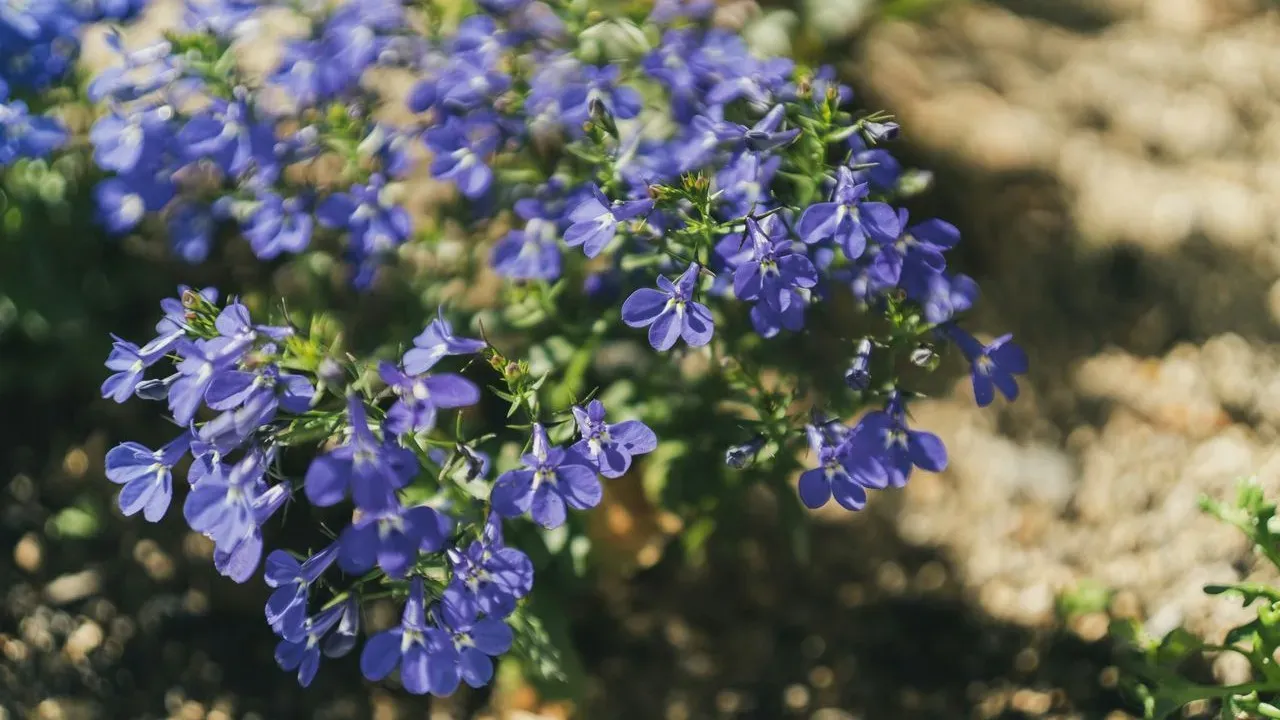

Lawn patches and bare soil under shrubs are easy to overlook, but they can become useful pollinator habitat. A recent episode of the Fine Gardening podcast [1] features two experts discussing low-growing plants that feed bees and other insects while filling in the bottom layer of a garden. The episode description does not name the specific plants the hosts recommend, so the examples below come from other gardening sources that cover the same ground. ([1])
Spring bloomers that get walked past
The ground layer is often where pollinators find food first. One gardening guide notes that some of the earliest flowers for bees are spring ground covers, the kind many shoppers pass by at the nursery. Those plants can supply nectar when few other blooms are open. Gardeners who choose ground covers for their early flowers may find that the same plants also cover bare patches that would otherwise need mulch or constant weeding.
Early-season value matters because queens and foragers emerge before the summer garden is in full bloom. A low carpet of flowers in April can make a noticeable difference to the insects that depend on it. The benefit is practical, not just decorative.
Plants that earn their place
Several low growers come up repeatedly in gardening advice. Among them:
- Clover: Clovers bloom all summer, and the plant fixes nitrogen and stays green during a drought. The same source warns that it can be aggressive, so pair it near trees and shrubs where it can fill in spaces.
- Creeping thyme: A low-growing plant that produces lots of flowers and requires minimal maintenance, and it is often recommended as a lawn alternative.
- Wild strawberry: Wild strawberry is an excellent ground cover for shady areas and attracts a variety of pollinators.
- Rock soapwort: It’s a low-growing ground cover with pink or white fragrant flowers. This cover works well in a rock garden in full sun and well-drained soil.
Shade gardens have options too. Bugleweed forms a dense mat that suppresses most weeds while giving entry space for ground-nesting pollinators. Gardeners planting in woodland areas can look at shade-tolerant choices, since many spots under trees struggle with grass.
Why undisturbed ground matters
The benefit goes beyond the flowers. Most native bees build their nests in the ground and depend on undisturbed spaces to make their homes. A dense ground cover can protect those areas from frequent digging, raking, and tidying. Leaving some natural debris in the bed can also help, since it breaks down and creates more stable habitat, according to one Fine Gardening guide.
That shift in thinking changes how a yard looks. A patch that once needed weekly attention may become a place where insects nest, feed, and overwinter. Gardeners who want a more natural look can also consider turning part of a lawn into a low-maintenance planting of native species with varied heights and textures.
What to plan for before planting
Not every fast grower behaves well in a small space. Mints are a favorite of many bees, but one guide notes that mints are not as easy to control or contain as other groundcovers. Bugleweed can also spread quickly, so it can be contained by dividing or thinning every year or two.
Planning for those habits is the difference between a tidy carpet and a bed that takes over the border. Checking sun exposure, drainage, and spacing before buying plants will also help the ground cover establish well.
For gardeners who have been wondering what to do with a bare stretch of soil, a low-growing planting offers a practical answer. It can feed bees in spring, cover weeds in summer, and give ground-nesting insects a place to live. The next step is simply choosing a plant that suits the sun, soil, and space the garden already has.
AI Disclaimer: This article was created with the assistance of AI tools and reviewed by a human editor.