
Winter brings its own set of challenges for indoor plant enthusiasts. As temperatures drop and heating systems run continuously, maintaining the right balance of humidity and temperature becomes crucial for the health and vitality of your beloved plants. It’s such a bummer when your green friends start to show signs of stress just because the environment inside your home isn’t as accommodating as the outdoors. But fear not! With a bit of knowledge and some strategic adjustments, you can create an ideal indoor climate that keeps your plants thriving all winter long.
Understanding the interplay between humidity and temperature is key to successful indoor gardening during the colder months. Many houseplants are native to tropical or subtropical regions and rely on specific environmental conditions to flourish. By tailoring your indoor environment to meet these needs, you can prevent common winter plant problems like dry leaf tips, wilting, and slowed growth. Let’s explore some effective strategies and practical tips to help you maintain the perfect balance, ensuring your indoor garden remains lush, healthy, and vibrant throughout the winter season!
Using Humidifiers
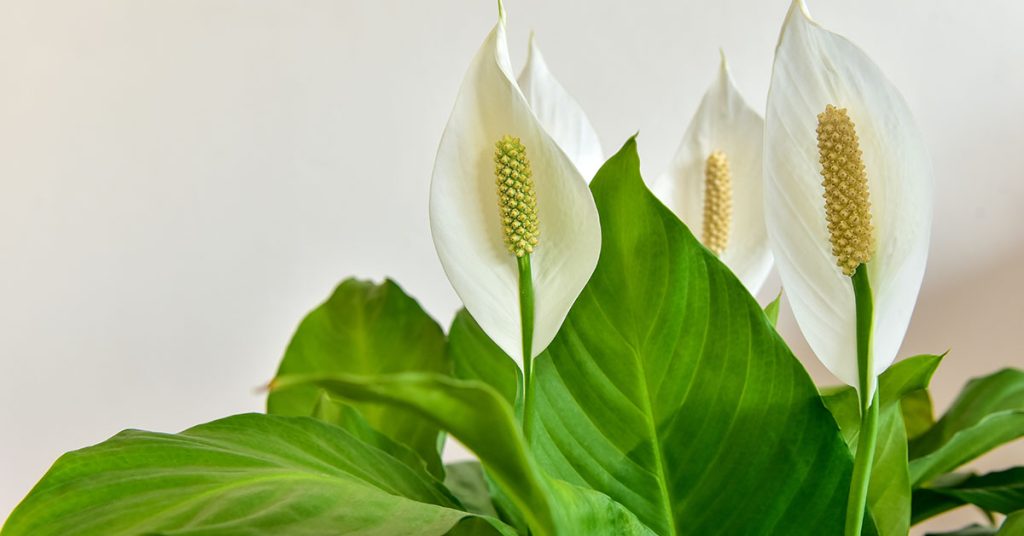
One of the most effective ways to maintain optimal humidity levels for your indoor plants during winter is by using a humidifier. Many houseplants, especially those native to tropical regions like the Boston Fern (Nephrolepis exaltata) from tropical America and the Peace Lily (Spathiphyllum) from the Americas, thrive in environments with higher humidity. Heating systems can dry out the air significantly, causing the leaves of these plants to become crispy and brittle. A humidifier adds moisture to the air, mimicking the natural humidity these plants are accustomed to, and helps prevent dehydration and stress.
In addition to providing a consistent humidity level, humidifiers can create a more comfortable living space for you as well. This dual benefit makes them a worthwhile investment for any indoor gardener. Position the humidifier near your most humidity-loving plants to ensure they receive the moisture they need. Regularly cleaning the humidifier is essential to prevent the buildup of mold and bacteria, which can be harmful to both your plants and your health. By incorporating a humidifier into your indoor gardening routine, you create a nurturing environment that supports the lush growth and vibrant health of your plants all winter long!
Grouping Plants Together

Grouping your indoor plants together is a simple yet highly effective method to increase the ambient humidity around them. When plants are placed close to one another, they create a microenvironment where transpiration—the process by which plants release moisture into the air—significantly raises the humidity levels around them. This is particularly beneficial for plants like the Calathea and Orchids (Orchidaceae), which are native to humid, tropical regions and require higher humidity to thrive. By clustering these plants together, you enhance their ability to retain moisture and maintain their lush, healthy foliage even during the dry winter months.
Moreover, grouping plants not only helps with humidity but also creates a visually appealing display that can become a focal point in any room. It’s a wonderful way to showcase a variety of textures and colors, adding depth and life to your indoor garden. Ensure that the grouped plants receive adequate light and are not overcrowded, as good air circulation is still necessary to prevent fungal issues. By thoughtfully arranging your plants in close proximity, you create a supportive environment that promotes robust growth and resilience, ensuring your indoor garden remains vibrant and thriving throughout the winter season!
Misting Techniques
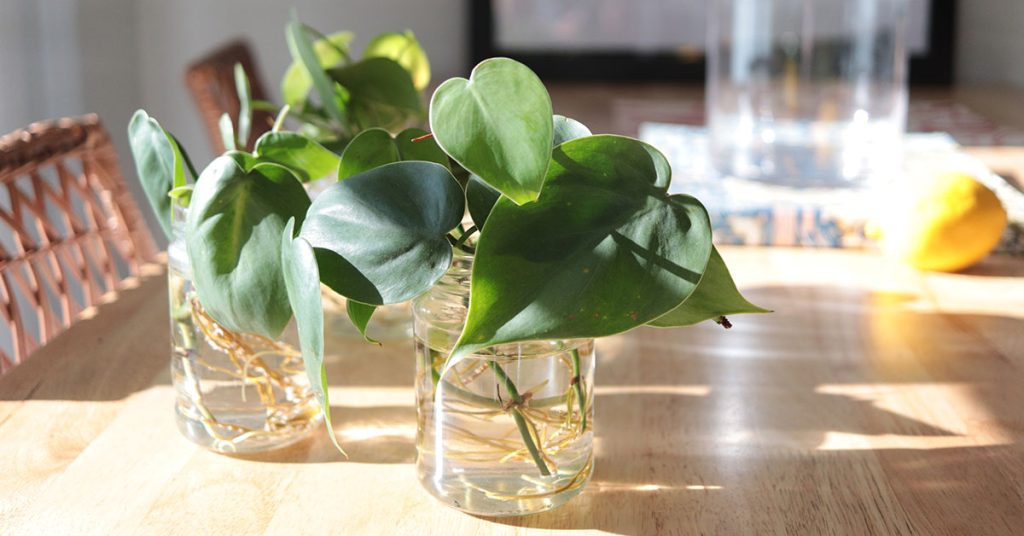
Regular misting is a quick and easy way to temporarily boost the humidity around your indoor plants, making it an essential practice during the winter months. Plants such as the Spider Plant (Chlorophytum comosum) and Pothos (Epipremnum aureum), native to tropical regions of Africa and Asia respectively, benefit greatly from occasional misting, which helps keep their leaves hydrated and prevents them from drying out. Using a spray bottle filled with water, gently mist the foliage of your plants in the morning to allow the moisture to absorb throughout the day. This simple technique can make a noticeable difference in maintaining the health and appearance of your plants.
However, it’s important to mist your plants correctly to avoid potential issues like mold growth or pest infestations. Always use room-temperature water and ensure that the leaves dry out completely within a few hours to prevent fungal diseases. Avoid misting plants with flowers or new growth, as excess moisture can cause these delicate parts to rot. Additionally, misting should complement other humidity-boosting methods like using humidifiers or pebble trays, rather than being the sole source of moisture. By incorporating regular misting into your plant care routine, you provide your indoor garden with the extra hydration it needs to stay lush and vibrant all winter long!
Using Pebble Trays

Pebble trays are a fantastic way to increase humidity around your indoor plants without the need for electronic devices. This low-maintenance method involves placing a tray filled with pebbles and water beneath your plant pots. As the water evaporates, it creates a humid microenvironment that benefits plants like the Fern (Nephrolepis exaltata) and Maidenhair Fern (Adiantum), which are native to moist, shaded areas and thrive in higher humidity levels. Pebble trays are particularly useful in homes where maintaining a consistent humidity level is challenging, providing a steady source of moisture that supports healthy plant growth.
To set up a pebble tray, fill a shallow tray with clean pebbles and add enough water so that the bottom of the plant pot sits just above the water line without being submerged. As the water evaporates, it gently increases the humidity around the plant’s foliage. This method not only enhances humidity but also helps prevent water from pooling at the bottom of the pot, reducing the risk of root rot. Pebble trays are versatile and can be easily moved or refilled as needed, making them an excellent addition to any indoor gardening setup. By using pebble trays, you create a nurturing environment that promotes lush, healthy growth and keeps your indoor plants thriving throughout the winter months!
Choosing the Right Plants
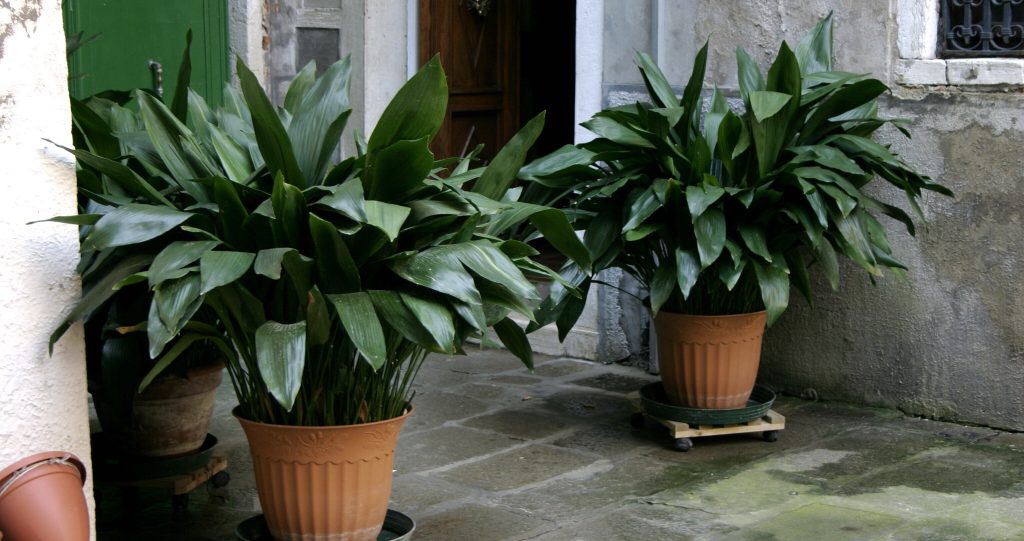
Selecting the right plants is crucial for maintaining a balanced indoor environment during winter. Opt for species that are well-suited to the lower light levels and varying humidity conditions typical of the colder months. Plants like the Snake Plant (Sansevieria trifasciata), native to West Africa, are incredibly resilient and can tolerate a wide range of conditions, making them ideal for winter care. Another excellent choice is the ZZ Plant (Zamioculcas zamiifolia), native to Eastern Africa, which thrives in low-light environments and requires minimal watering, reducing the risk of overwatering during the dry winter season.
For those who prefer flowering plants, consider the Peace Lily (Spathiphyllum), native to tropical regions of the Americas, which not only purifies the air but also blooms beautifully even in lower light conditions. Additionally, the Cast Iron Plant (Aspidistra elatior), native to East Asian forests, is known for its toughness and ability to thrive in low-light environments, making it perfect for indoor settings during winter. By carefully selecting plants that are adapted to indoor conditions and winter challenges, you ensure a healthy and thriving indoor garden that remains vibrant and beautiful throughout the season. These low-maintenance options provide both aesthetic appeal and functional benefits, enhancing your indoor space with minimal effort!
Monitoring Temperature and Humidity

Keeping a close eye on the temperature and humidity levels in your home is essential for the health of your indoor plants during winter. Most houseplants thrive in temperatures between 65-75°F (18-24°C) during the day and slightly cooler at night. Sudden temperature drops or drafts from windows and doors can stress your plants, leading to issues like wilting or leaf drop. Using a digital hygrometer and thermometer can help you accurately monitor the indoor climate, allowing you to make necessary adjustments to maintain a stable environment for your plants.
In addition to temperature, maintaining consistent humidity levels is crucial for preventing common winter plant problems such as dry leaf tips and brittle foliage. If you notice your plants showing signs of stress, such as brown edges or curling leaves, it may be an indication that the air is too dry. In such cases, increasing humidity through methods like using humidifiers, pebble trays, or grouping plants together can help restore the necessary moisture levels. Regularly checking and adjusting the indoor climate ensures that your plants remain healthy and vibrant, providing a lush and thriving indoor garden even during the harshest winter months!
Proper Placement in Home

Proper placement of your indoor plants plays a significant role in maintaining the right balance of temperature and humidity during winter. Position your plants away from direct sources of heat, such as radiators, fireplaces, and heating vents, which can dry out the air and cause leaves to scorch. Instead, place them in areas where they can receive ample indirect light without being exposed to harsh drafts. South-facing windows are ideal, as they provide the most consistent and intense light throughout the day, essential for the growth and blooming of many indoor plants.
Additionally, consider the flow of air within your home when arranging your plants. Good air circulation helps prevent the buildup of stale air and reduces the risk of fungal diseases. Avoid placing plants in enclosed spaces with poor ventilation, as this can create a stagnant environment that is detrimental to their health. Instead, distribute your plants throughout different rooms to ensure each one receives the right amount of light and airflow. By thoughtfully placing your plants in optimal locations, you create a harmonious indoor environment that supports their growth and keeps your indoor garden thriving all winter long!
Ventilation and Air Circulation

Ensuring proper ventilation and air circulation is essential for maintaining the health of your indoor plants during winter. Stagnant air can lead to the buildup of excess moisture, which creates an ideal environment for mold, mildew, and pests to thrive. To promote healthy air flow, consider using fans to gently circulate the air around your plants. This not only helps regulate humidity levels but also strengthens plant stems by exposing them to gentle breezes, mimicking their natural outdoor environment.
Additionally, opening windows periodically, even for short periods, can refresh the air inside your home and prevent the stagnation that can lead to unhealthy conditions for your plants. Be mindful of the outdoor temperatures, though, as sudden drafts or extreme cold can be harmful to sensitive plants. For a balanced approach, aim to provide consistent but gentle air movement throughout the day, ensuring that your indoor garden benefits from fresh air without being exposed to harsh conditions. By prioritizing ventilation and air circulation, you create a healthier environment for your plants, promoting robust growth and preventing common winter plant issues!
Using Heating Systems Wisely

Heating systems are a staple of winter indoor environments, but they can pose challenges for maintaining the right conditions for your plants. The dry heat from radiators and forced-air systems can significantly reduce indoor humidity, leading to dry leaf tips and stressed plants. To mitigate these effects, position your plants strategically away from direct heat sources while still ensuring they receive adequate warmth. Placing plants a few feet away from radiators or heaters can help maintain a more balanced temperature and prevent the air from becoming excessively dry.
Additionally, consider using alternative heating methods that produce less dry air, such as infrared heaters or ceramic heaters, which can provide warmth without stripping moisture from the environment. Combining these heating solutions with humidity-boosting techniques like using humidifiers or pebble trays can create a more favorable climate for your indoor plants. Monitoring the temperature closely and making adjustments as needed ensures that your plants remain comfortable and healthy, allowing your indoor garden to thrive despite the chilly winter temperatures!
Adjusting Watering Practices

Winter watering practices need to be adjusted to accommodate the slower growth and reduced water needs of indoor plants. Many plants require less frequent watering during the colder months, as their metabolic processes slow down and they are less likely to absorb as much moisture from the soil. Overwatering can be particularly problematic, leading to root rot and other moisture-related issues that can quickly devastate your indoor garden. To prevent this, allow the top inch of soil to dry out completely before watering your plants again.
Different plants have varying watering needs, so understanding the specific requirements of each species in your indoor garden is essential. For example, succulents like the Aloe Vera (Aloe barbadensis miller), native to the Arabian Peninsula, require minimal watering and thrive in drier conditions, making them perfect for winter care. On the other hand, tropical plants like the Peace Lily (Spathiphyllum), native to the Americas, may still require consistent moisture but less frequent watering than during the growing season. By tailoring your watering practices to the unique needs of each plant, you ensure that your indoor garden remains healthy and resilient throughout the winter months, avoiding the pitfalls of overwatering and underhydration!
Creating Microclimates
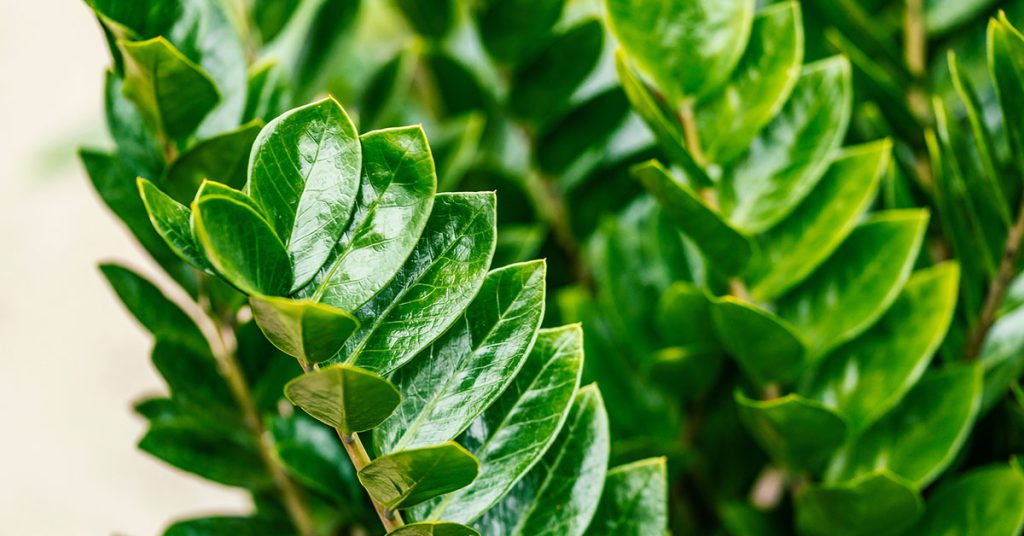
Creating microclimates within your home can significantly enhance the health and growth of your indoor plants during winter. Microclimates are small, localized areas with specific temperature and humidity levels that cater to the needs of particular plants. For instance, placing a group of tropical plants in a corner of a room with a humidifier can create a humid microclimate that benefits plants like the Orchid (Orchidaceae) and Calathea, native to tropical rainforests. These plants thrive in environments with high humidity and consistent temperatures, and a dedicated microclimate can help replicate their natural habitat.
Conversely, arid-tolerant plants like Snake Plants (Sansevieria trifasciata) and ZZ Plants (Zamioculcas zamiifolia) can be placed in drier areas of your home, such as near windows that receive bright, indirect light but are not subject to high humidity. By thoughtfully arranging your plants to match their preferred microclimates, you can optimize their growth and health, ensuring that each plant receives the specific conditions it needs to thrive. This approach not only enhances the overall functionality of your indoor garden but also adds a layer of organization and intentionality to your plant care routine, making it easier to maintain a balanced and thriving indoor environment throughout the winter season!
Seasonal Care Tips

Adapting your plant care routine to the changing seasons is essential for maintaining a healthy indoor garden during winter. Seasonal care tips involve adjusting watering schedules, light exposure, and feeding routines to align with the reduced growth rates and altered environmental conditions typical of winter. For example, during the winter months, reduce the frequency of watering for most plants, as their water needs decrease. Additionally, ensure that your plants receive adequate light by repositioning them closer to windows or supplementing with grow lights to compensate for the shorter daylight hours.
Another important seasonal adjustment is to monitor and control pests more vigilantly, as indoor heating can create favorable conditions for pests like spider mites and mealybugs to thrive. Regularly inspecting your plants and maintaining cleanliness around them can help prevent infestations from taking hold. Furthermore, repotting may not be necessary during winter unless your plant has outgrown its current container, as the slower growth rates mean that plants require less frequent repotting. By incorporating these seasonal care tips into your plant maintenance routine, you can ensure that your indoor garden remains healthy, vibrant, and resilient throughout the winter months, ready to flourish again when spring arrives!
Selecting Humidity-Loving Plants
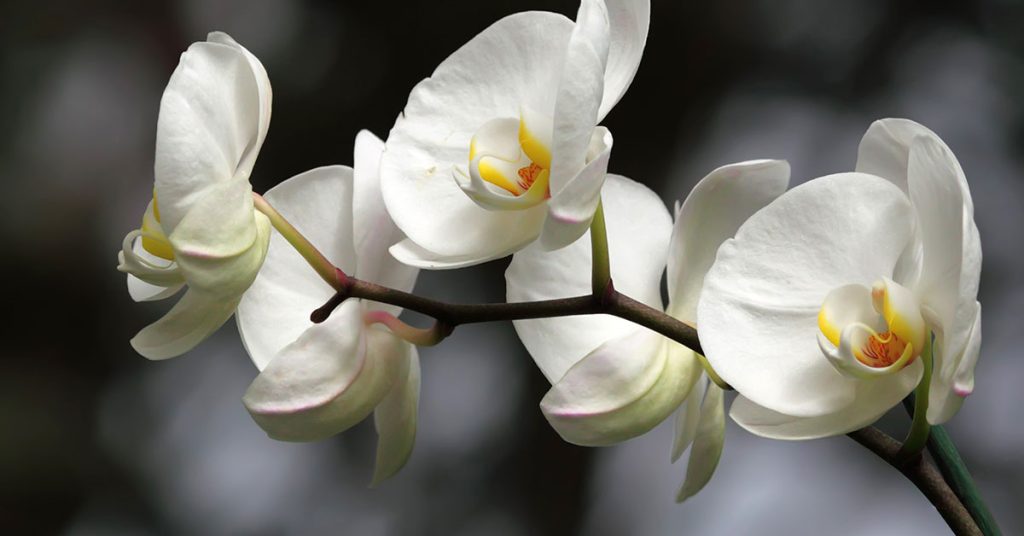
Choosing plants that thrive in higher humidity environments is a smart strategy for maintaining a healthy indoor garden during winter. Humidity-loving plants are better equipped to handle the dry indoor air caused by heating systems, reducing the risk of stress and damage to their foliage. Plants such as the Calathea, native to tropical regions of Central and South America, are known for their stunningly patterned leaves and their preference for high humidity and indirect light. Similarly, the Peace Lily (Spathiphyllum), native to the Americas, not only purifies the air but also thrives in moist environments, making it an excellent choice for winter indoor gardening.
Other excellent humidity-loving plants include the Maidenhair Fern (Adiantum), native to moist, shaded areas, and the Orchid (Orchidaceae), which requires consistent moisture and high humidity to produce its exquisite blooms. By selecting these plants, you can create a lush and vibrant indoor garden that remains healthy and beautiful throughout the winter season. Additionally, grouping humidity-loving plants together can further enhance their ability to thrive, creating a supportive microenvironment that mimics their natural habitats. These plants not only add beauty and elegance to your home but also contribute to a healthier indoor atmosphere by improving air quality and increasing humidity levels naturally.