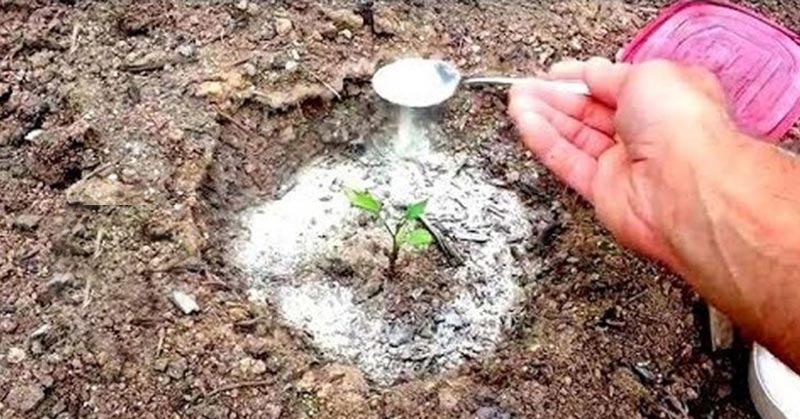

Gardeners have long reached for baking soda to improve tomato flavor or bolster plant vigor, yet the practice rests largely on longstanding tradition rather than controlled studies. The substance, sodium bicarbonate, appears in countless home remedies passed between neighbors and online forums. This reliance raises practical questions about soil chemistry, plant response, and long-term garden health for anyone managing a backyard plot or larger growing space.
Origins of the Practice
The use of baking soda in gardens traces back decades through informal advice rather than formal agricultural extension work. Home growers observed changes after applications and shared the results, creating a cycle of repetition that reinforced the habit. Over time the method gained traction in community discussions and printed guides aimed at organic or low-cost cultivation.
Stakeholders most affected include home gardeners seeking simple solutions, small-scale producers concerned with input costs, and extension services that field repeated questions on the topic. The timeline shows steady growth in mentions across print and digital sources through the late twentieth century and into the present, even as formal testing remained sparse.
Common Claims Examined
Two frequent assertions stand out: that baking soda can sweeten tomatoes and that it strengthens overall plant resilience. Proponents often describe lighter applications around the base of plants or as a foliar spray. These ideas circulate widely because they promise visible results with an inexpensive household item already on many kitchen shelves.
Yet the absence of replicated trials leaves the claims open to interpretation. Gardeners who report success may be observing coincidental factors such as improved watering routines or seasonal weather shifts. Without side-by-side comparisons under consistent conditions, separating cause from correlation proves difficult for both hobbyists and commercial operators.
Soil and Plant Considerations
Baking soda introduces sodium into the soil environment, which can alter pH levels and affect nutrient availability over repeated uses. In regions with already alkaline conditions, additional applications may compound existing imbalances rather than correct them. Plants sensitive to sodium buildup can show reduced uptake of essential minerals, influencing growth rates and fruit quality in subsequent seasons.
Practical consequences appear most clearly in container gardens or raised beds where soil volume is limited and amendments accumulate faster. Larger in-ground plots may buffer the effects temporarily, but cumulative applications still warrant monitoring through basic soil tests. Affected parties range from urban balcony growers to rural market gardeners who track input expenses closely.
| Claim | Observed Reality |
|---|---|
| Sweetens tomatoes | Tradition-based reports; no consistent trial data |
| Strengthens plants | Variable results tied to multiple variables |
| Harmless household remedy | Sodium addition can shift soil chemistry |
Evidence and Next Steps
Current understanding rests on the distinction between anecdotal success and measurable outcomes from replicated experiments. Extension publications and university horticulture programs have generally treated the topic as unverified rather than actively promoted. This stance leaves room for individual experimentation while advising caution on widespread or repeated use.
Gardeners weighing the option can begin with small test areas and regular soil monitoring to track any shifts. Where results remain inconclusive, established practices such as proper spacing, consistent moisture, and balanced organic amendments continue to offer more predictable paths. The choice ultimately rests with each grower balancing tradition against observed conditions in their specific setting.
AI Disclaimer: This article was created with the assistance of AI tools and reviewed by a human editor.