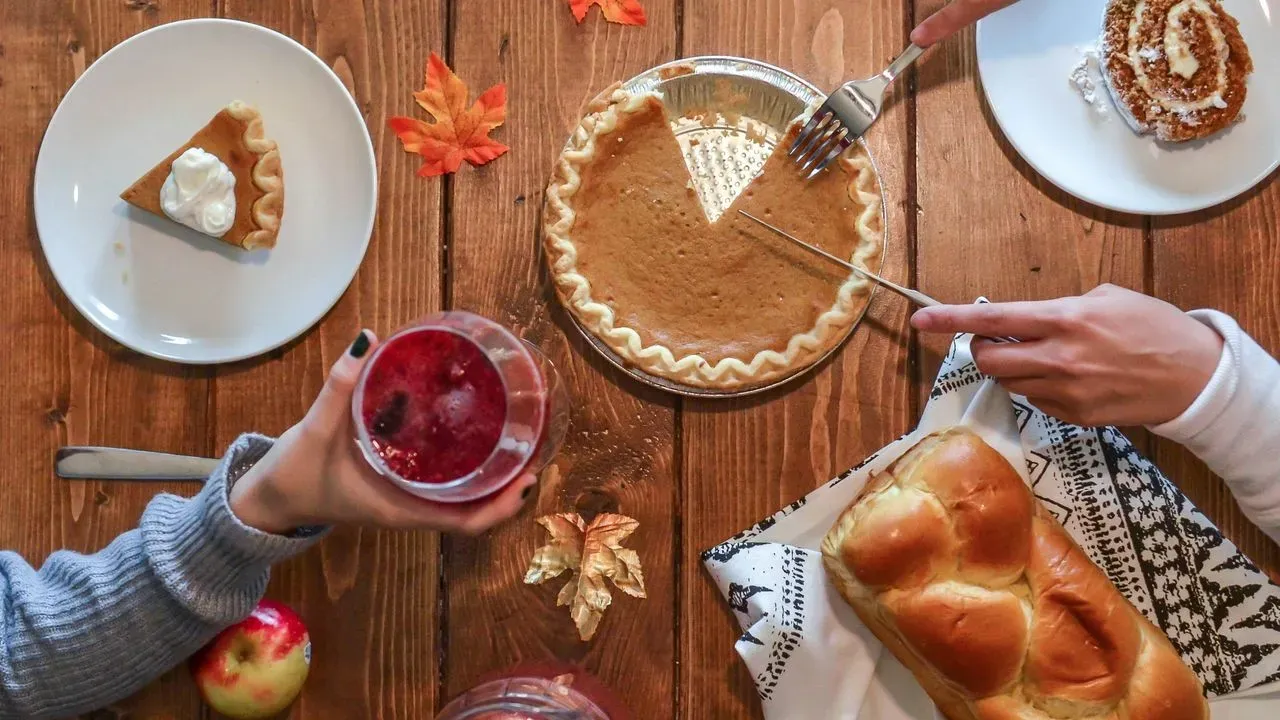

With Thanksgiving less than a week away, many hosts are still deciding how to fit dessert into a crowded schedule. A ([1])New York Times dining feature takes a practical approach, pairing one writer’s baking plans with a day-by-day checklist designed to spread the work across several days. The central idea is simple: move as much of the baking as possible away from the holiday itself.
Why the calendar makes planning urgent
This year, Thanksgiving will be observed on Thursday, November 26 ([2]). The national holiday always falls on the fourth Thursday of November, so the date moves from year to year. That leaves cooks with roughly a week to organize their oven time, and a written plan can make that week far more manageable.
Many desserts handle advance preparation well. Creamy desserts like cheesecake and custard are excellent make-ahead options because they need time to chill and set. ([3]) Cakes are similarly forgiving, since many cakes can be baked a day or two in advance. ([3])
Dessert timing at a glance: custards and cheesecakes need a night or more in the refrigerator, cakes can be baked a day or two ahead, and pie dough can be prepared well before the holiday.
Pies and bars can be done before the holiday week
Pie bars are a popular choice for hosts with limited oven space. One baking timeline suggests baking them early in the week, since Ina Garten’s Apple Pie Bars keep, wrapped, in the fridge for up to 5 days ([4]). Whole pies follow a similar pattern. The same guide recommends baking the Classic Pumpkin Pie with Chocolate Whip a day ahead, let it chill in the fridge overnight, then add the chocolate whipped cream before serving. ([4])
Crusts can be handled even earlier. The pie dough freezes for up to 1 month ([4]), which gives bakers a way to get ahead well before the final week.
A day-by-day schedule for the final week
A timeline is useful mainly because it keeps tasks from piling up. One Thanksgiving baking plan starts with a single early task, review recipes and make your shopping list one week out ([5]). Work then shifts toward the middle of the week, when hosts bake desserts that hold well and prepare pie dough or fillings.
- One week before: review recipes and finalize the shopping list.
- Two to four days before: bake sturdy cakes and desserts, and prepare pie dough or fillings.
- The day before: bake pies and remaining desserts, then arrange them on platters or label containers.
- Thanksgiving Day: add finishing touches and serve.
Some desserts need a little more handling on the holiday. Certain layered cakes can be baked and frozen weeks ahead, moved to the refrigerator the day before, and then topped with whipped cream on Thanksgiving ([6]). That approach keeps the final steps short while the rest of the meal comes together.
Fewer tasks on the big day
The main benefit of a staged plan is that cooks spend Thanksgiving morning on the meal rather than the dessert table. Desserts that have already been baked, chilled, or frozen need only a quick finish. Hosts who follow a checklist also have a clear record of what is done and what remains, which can make the week feel more controlled.
Any schedule should still leave room for changes. Oven space, refrigerator capacity, and guest numbers can all shift plans. Starting a few days early, though, gives most home bakers a comfortable margin on the holiday.
AI Disclaimer: This article was created with the assistance of AI tools and reviewed by a human editor.