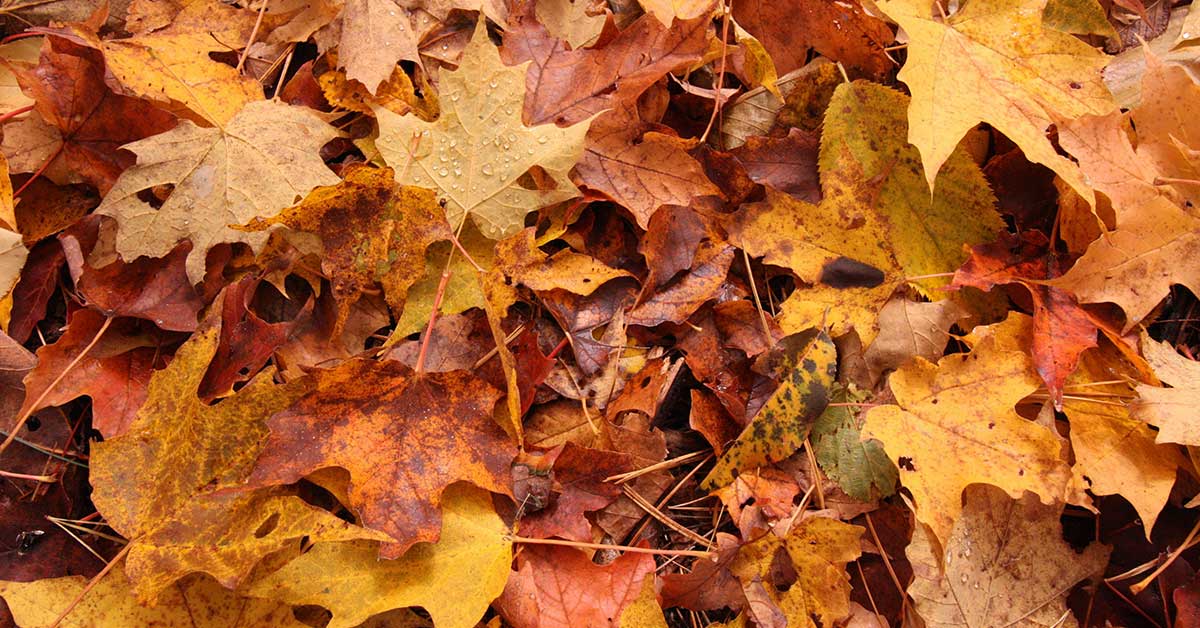

Each fall, millions of Americans spend their weekends raking leaves into neat piles, stuffing them into plastic bags, and hauling them to the curb for disposal. It feels productive, responsible, and clean. But in reality, this widespread practice is doing far more harm than good. Those leaves you’re bagging up are not yard waste. They are a vital part of a healthy, balanced ecosystem. By throwing them away, we’re discarding free mulch, essential wildlife habitat, and valuable organic matter that could be feeding our soil.
It’s time to reframe how we think about fallen leaves. Instead of a mess to be managed, think of them as nature’s mulch, compost, and insulation—all rolled into one. With just a few simple changes, you can turn leaf litter from a nuisance into an asset. Whether you have a small suburban yard or a sprawling property, keeping your leaves close to home can improve soil health, support pollinators, and even reduce your workload over time.
Leaves Are Free Mulch For Your Garden Beds
One of the most effective uses for fallen leaves is as mulch. When you spread a layer of leaves over your garden beds, you’re mimicking what happens in nature. In forests, leaves fall to the ground and create a protective blanket that shields the soil from erosion, moisture loss, and extreme temperatures. You can do the same in your yard by using shredded or whole leaves as a top layer of insulation for perennials, trees, and shrubs.
Leaf mulch breaks down over time, feeding the soil with organic matter and improving its structure. This process encourages the development of beneficial microbes and earthworms, which in turn support plant growth. You’ll also suppress weeds without the need for synthetic herbicides. To get the best results, consider shredding the leaves with a mulching mower before applying them. This speeds up decomposition and creates a finer texture that’s easier to manage in garden beds.
Leaves Improve Soil Fertility Naturally
Bagging and removing leaves deprives your soil of one of its most important seasonal nutrient boosts. As leaves break down, they release nitrogen, potassium, phosphorus, and other trace minerals back into the soil. These nutrients are exactly what your plants need to thrive, especially if you’re trying to grow flowers, vegetables, or fruit-bearing trees. Instead of relying on store-bought fertilizers, letting leaves decompose in place is a more sustainable and cost-effective solution.
By allowing leaves to remain where they fall—or relocating them to strategic areas—you’re fostering a closed-loop system. Your trees provide the leaves, and those leaves, in turn, feed your trees and other plants. This approach also improves soil structure, increasing aeration and water retention. Over time, healthy soil enriched with leaf matter becomes more resilient to drought and better equipped to support a wide variety of plants.
Leaf Litter Supports Birds, Toads, And Pollinators
Under that layer of crisp fall leaves is a hidden world teeming with life. Many insects, including important pollinators like butterflies and moths, lay their eggs or overwinter in leaf litter. Salamanders, toads, and ground beetles also depend on this natural habitat to survive the colder months. By raking up and disposing of leaves, we inadvertently destroy these essential life cycles, leading to long-term declines in wildlife populations.
Birds benefit too. Insects living in leaves become a crucial food source for birds in early spring when other food is scarce. When we remove leaves, we’re not just throwing away habitat—we’re tossing out the foundation of the food chain. If you want to create a yard that supports wildlife, leave a few quiet corners covered in leaves. Your local ecosystem will thank you, and your garden will likely be more vibrant and balanced as a result.
Composting Leaves Is A Win For Your Garden And The Planet
If you’re not ready to leave all your leaves in place, composting them is the next best option. Leaves are rich in carbon, making them the perfect “brown” material to balance the “greens” like food scraps and grass clippings in a compost pile. Over time, composted leaves break down into a dark, crumbly soil amendment that improves garden health, boosts microbial activity, and retains moisture in the soil.
Composting also keeps organic material out of landfills, where it would otherwise break down anaerobically and produce methane—a potent greenhouse gas. With a simple compost bin or pile, you can turn what was once considered waste into one of the most powerful tools in your gardening toolkit. If you don’t have space for composting yourself, check if your community offers leaf collection specifically for composting or municipal mulch programs.
Bagged Leaves Contribute To Landfill Overload
Across the United States, an estimated 8 million tons of leaves end up in landfills each year. While leaves are organic, the way they break down in a landfill is far from natural. Trapped under layers of trash and deprived of oxygen, leaves decompose anaerobically and release methane gas. This process contributes to climate change and turns a valuable natural resource into a climate liability.
Municipal yard waste collection programs often use heavy machinery, long-haul transport, and plastic bags—adding fossil fuel emissions and plastic waste to the mix. Choosing to manage your leaves at home not only reduces your personal carbon footprint but also eases the burden on overtaxed waste management systems. It’s one of the simplest climate-friendly actions any homeowner can take.
Raking Less Saves Time And Energy
Many people don’t realize that the traditional fall cleanup is mostly aesthetic. There’s no ecological reason to remove every leaf from your lawn or garden. In fact, doing less yard work can result in a healthier yard. Leaves help retain soil moisture, protect root systems from freeze-thaw cycles, and suppress weed growth. By reducing how much you rake, you free up hours of your time while also supporting your local environment.
Instead of striving for a spotless lawn, adopt a more natural look that prioritizes ecosystem health. You can still clear paths, patios, and driveways for safety, but leaving leaves under trees, in garden beds, or mulched on the lawn helps both you and your plants. Not only will you save on yard bags and hauling costs, but you’ll also create a space that works with nature instead of against it.
How To Mulch Leaves Into Your Lawn
If you’re worried that a thick blanket of leaves will smother your grass, mulching them with a mower is a great compromise. Most modern lawn mowers come with a mulching blade or setting that finely chops leaves into small pieces. These chopped leaves fall between the blades of grass, gradually breaking down and feeding the soil without harming your lawn. In fact, studies show that mulched leaves can reduce weeds and improve lawn health over time.
Here’s how to do it effectively:
- Mow when the leaves are dry to prevent clumping.
- Avoid trying to mulch a thick layer all at once; aim for no more than 1 inch at a time.
- Make multiple passes if needed to ensure fine shredding.
You can continue this process throughout the fall, turning your yard into a self-sustaining ecosystem. With no bags to haul and no extra tools needed, mulching leaves is a low-effort, high-reward strategy for leaf management.
You Don’t Need A Forest To Make This Work
Some homeowners assume that the benefits of leaf mulching or composting only apply if you have a large wooded lot. But even if you have a small suburban or urban yard, you can still take advantage of leaf recycling. A modest pile tucked in a back corner, or a thin layer of shredded leaves over your flower beds, can go a long way. If you live in an apartment or don’t have space, consider connecting with a community garden that accepts leaf donations.
Every bit helps. The more people who keep leaves out of landfills and in their landscapes, the more we collectively support soil health, reduce emissions, and provide habitat for wildlife. It’s about shifting the mindset from “cleaning up” to “working with nature.” Even a single bag of leaves spared from the landfill makes a difference.
Final Thoughts: Let The Leaves Stay
Fall leaves are not garbage. They are an abundant, renewable resource that provides food, shelter, and nutrients to the very landscapes we spend so much time and money trying to nurture. By choosing to keep your leaves on your property—whether through mulching, composting, or simply leaving them in place—you’re aligning your yard with the natural rhythms of the season.
Rather than fight nature with rakes and bags, invite it to stay a little longer. Let your garden benefit from the richness of decomposing leaves. Give the birds and bugs a winter home. Feed your soil and save yourself the extra work. This fall, skip the trip to the curb and let your leaves do what they do best: nourish the earth beneath your feet.