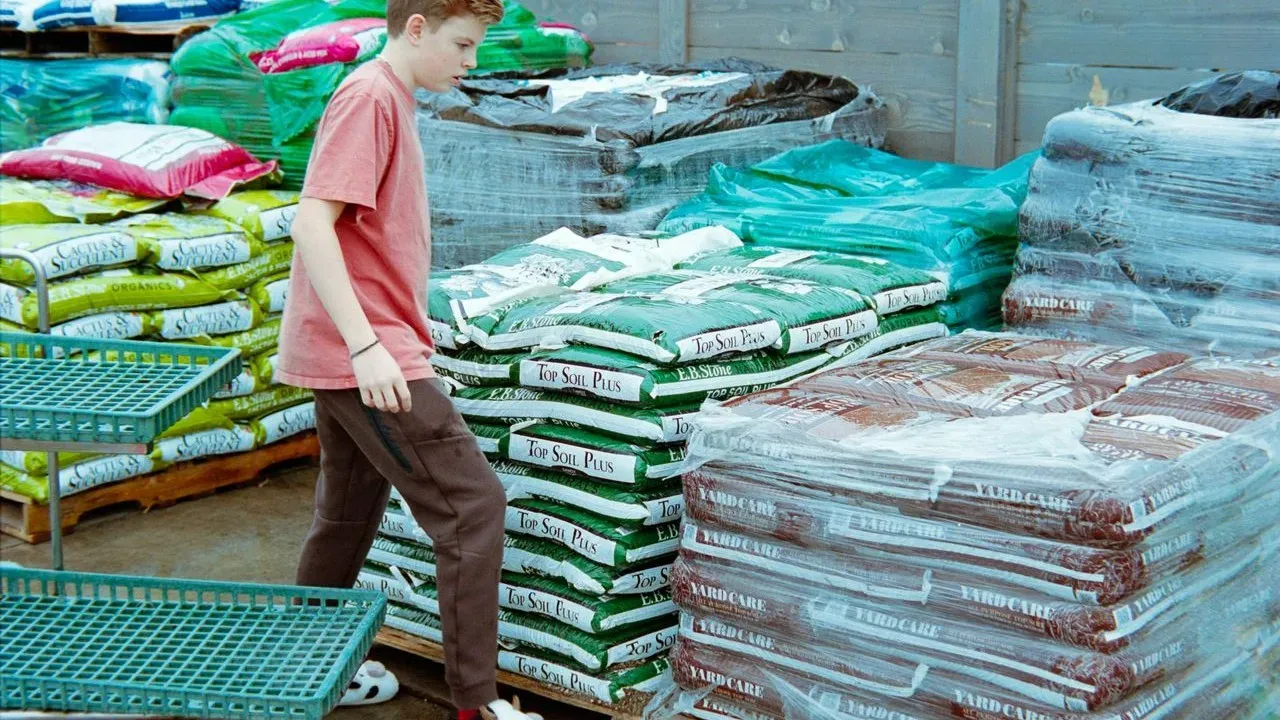

Fall brings a familiar scene at garden centers across the country, with pallets of bagged mulch and soil stacked near the entrance and tempting price tags that suggest an easy win for weekend projects. Many shoppers grab a few bags without pausing to consider how those small units stack up against a delivered pile measured in yards. The difference often comes down to simple volume math that favors bulk purchases once a project reaches a modest size.
The 27-Cubic-Foot Rule That Reveals True Costs
A cubic yard measures three feet on each side and holds exactly 27 cubic feet, a conversion that turns the comparison between bags and bulk into straightforward arithmetic. Gardeners can multiply the yards needed by 27 to find the equivalent in cubic feet, then divide by the bag size listed on the label. Common mulch bags hold two cubic feet, so one yard requires roughly 14 of them. Smaller one-cubic-foot bags push the total to 27, while topsoil bags often run even higher in count because many weigh 40 pounds and contain only about 0.8 cubic feet each. This single conversion shows why per-bag pricing can mislead. What appears inexpensive at the register multiplies quickly once the full volume is tallied.
Figuring Out How Much Material a Bed Really Needs
Before prices enter the picture, volume calculations help set realistic expectations. Multiply length by width by depth in inches, divide by 12 to reach cubic feet, then divide again by 27 for yards. A typical 10-by-20-foot bed at three inches deep comes to about 1.85 cubic yards, or roughly 25 two-cubic-foot bags. Many home projects fall into this middle range, large enough that hauling dozens of bags becomes tedious yet small enough that a full truckload still feels like overkill. Knowing the exact amount upfront prevents both under-ordering and the extra trips that add hidden costs.
Price Ranges That Favor Bulk for Most Jobs
Bagged mulch typically runs $2 to $15 per bag, translating to $27 to more than $200 per cubic yard once the 27-cubic-foot math is applied. Bulk mulch lists between $20 and $80 per yard before delivery, dropping the per-cubic-foot cost dramatically. Topsoil follows a similar pattern, with bagged options reaching $68 to $170 per yard while bulk material often falls between $10 and $55 per yard. These spreads hold across recent guides, though actual delivered prices vary by region and supplier. The gap widens further once delivery fees enter the equation.
Delivery Fees and the Break-Even Point
A fixed delivery charge of $50 to $170 lands on the first yard and spreads across additional volume, which is why bulk becomes attractive around one to two yards for many homeowners. At mid-range mulch prices, one yard plus delivery can total roughly $125, setting a per-bag break-even near $9. Two yards lowers that threshold noticeably. Topsoil tips toward bulk even sooner because its bagged prices sit higher relative to the material cost. Small jobs under one yard or properties with tight access often still favor bags, especially when suppliers impose minimum orders.
Hidden Factors That Influence the Final Choice
Price per yard tells only part of the story. Lifting 34 bags of topsoil adds up to more than 1,300 pounds of handling from store to vehicle to garden bed, while bulk arrives in one drop that still requires wheelbarrow work. Packaging creates another difference, with 14 plastic bags per yard of mulch adding to landfill volume. Storage also matters: bags stack neatly for later use, yet bulk piles need space and can sit exposed until spread. Quality consistency remains easier to verify with labeled bags, though reputable bulk suppliers allow inspection of the pile before purchase. The numbers point to a practical takeaway for this fall season. Projects that exceed one yard usually reward the extra planning required for bulk delivery, while smaller touch-ups keep the convenience of bags worthwhile. Homeowners who run the conversion for their specific bed size and local quotes end up making the choice that fits both their budget and their back.
AI Disclaimer: This article was created with the assistance of AI tools and reviewed by a human editor.