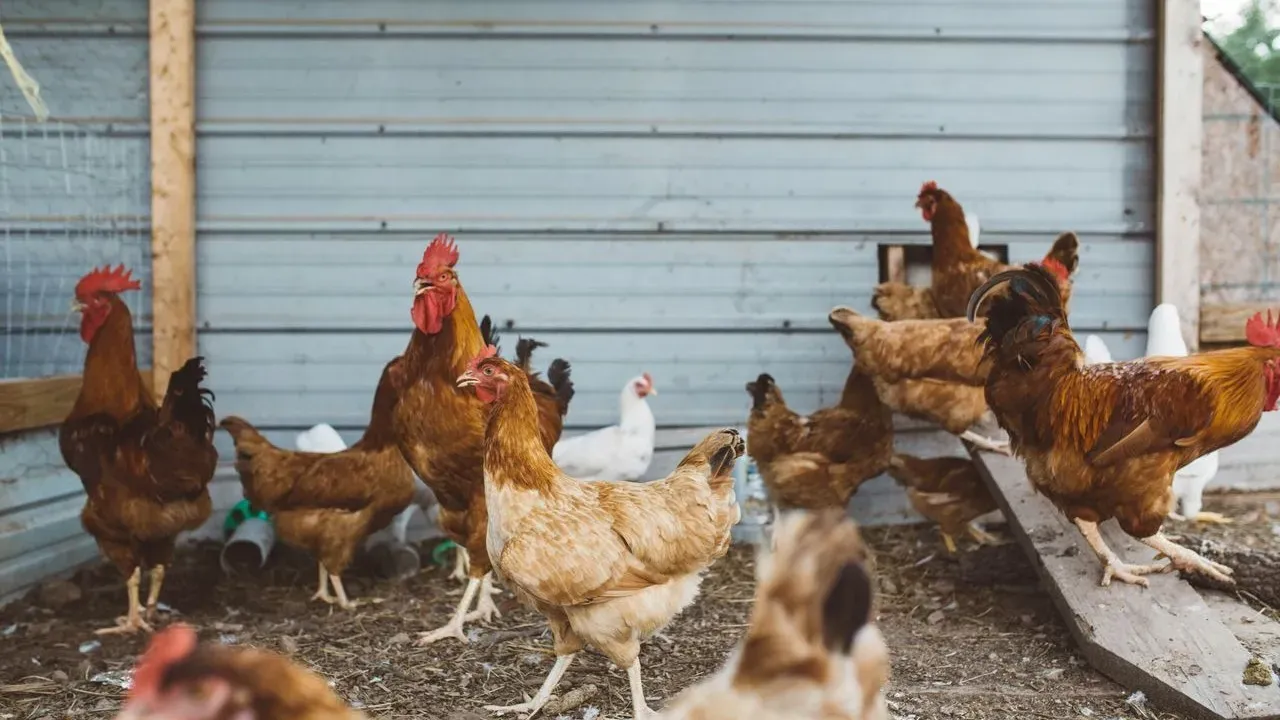

Home gardeners across the country are extending their self-sufficiency efforts beyond vegetables and herbs. Raising chickens for meat has become a practical next step for many who already maintain productive plots. The move allows households to produce a portion of their own protein while managing space and resources more deliberately.
The practical consequence is straightforward. Families gain access to fresh meat raised on their own property, often with lower reliance on commercial supply chains. Timelines matter here: meat-focused birds reach processing weight far faster than traditional laying breeds, fitting seasonal garden cycles and reducing long-term feed commitments. Stakeholders include suburban and rural homeowners, small-scale producers seeking supplemental income, and communities interested in localized food systems.
A Fast-Growing Option Stands Out for Newcomers
Among breeds suited to meat production, one variety consistently draws attention from those starting out. Cornish Cross birds develop substantial body mass in a compressed window, often ready for harvest in roughly six to eight weeks under standard care. This rapid cycle limits ongoing labor and feed costs compared with slower-maturing alternatives.
Gardeners already familiar with crop timing find the schedule aligns well with planting and harvest seasons. The birds require straightforward housing and consistent feed, making the entry point manageable for people balancing other homestead tasks. Their calm temperament further reduces handling challenges during the short grow-out period.
Integration With Existing Garden Operations
Many participants already keep vegetable beds or fruit trees. Adding meat chickens extends the system without demanding entirely new infrastructure. Manure from the birds can be composted and returned to the soil, closing a nutrient loop that benefits subsequent plantings.
Space requirements remain modest for a small batch. A secure coop and run can occupy a corner of a typical backyard garden, leaving room for other crops. The approach supports incremental expansion: a household can begin with a modest number of birds and adjust based on results and available time.
Practical Considerations for First-Time Producers
Success hinges on basic planning rather than specialized expertise. Reliable access to appropriate feed, clean water, and predator protection forms the foundation. Local regulations on livestock in residential areas should be checked early, as rules vary by municipality.
Processing arrangements also require attention. Some gardeners handle the step themselves after learning proper techniques, while others coordinate with nearby facilities. Either path benefits from advance preparation to match the birds’ growth schedule.
Looking Ahead for Homestead Expansion
The trend shows no immediate sign of slowing. Gardeners who begin with meat chickens often report greater confidence in managing a mixed food-production system. The experience reinforces skills in animal husbandry that complement existing plant-focused work.
Over time, participants may explore dual-purpose breeds or larger flocks, yet the initial focus on a fast-finishing meat bird keeps the commitment contained. This measured entry point continues to attract those seeking tangible steps toward greater household resilience.
AI Disclaimer: This article was created with the assistance of AI tools and reviewed by a human editor.