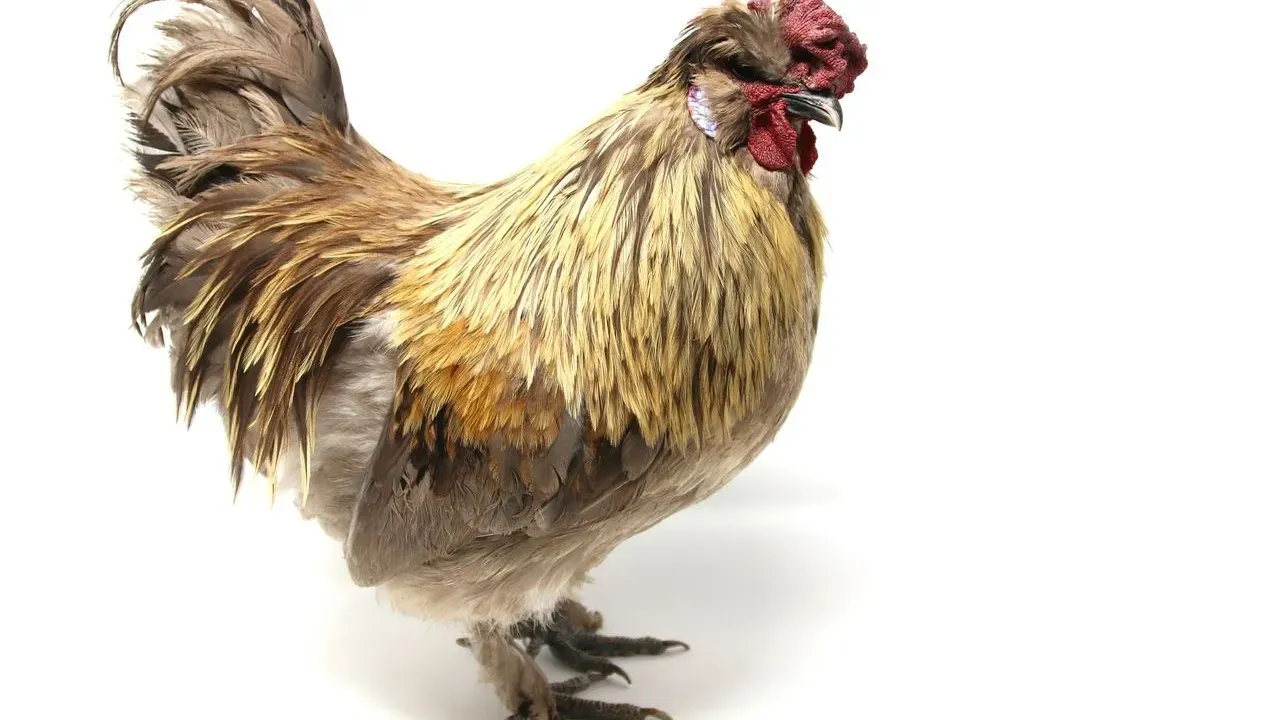

Two people have now died from a Salmonella outbreak that public health officials have traced directly to contact with backyard poultry. The cases span dozens of states and represent the biggest such incident recorded so far in 2026. Because federal agencies lack authority over small home flocks, no recall or enforcement action is possible even though investigators have connected seven hatcheries to the illnesses. ([1])
Human Cost and Geographic Reach
The Centers for Disease Control and Prevention has confirmed 1,061 illnesses across 46 states and Puerto Rico. Illness onsets range from January 20 through August 6, and additional cases are still expected because confirmation and reporting can take four to six weeks. One quarter of the patients are children younger than five. Of 717 people with complete records, 324 required hospitalization, a rate of roughly one in three.
Deaths occurred in Washington and Georgia. Every patient reported direct contact with chickens or ducks kept in backyard settings. Laboratory sampling in six states recovered matching strains from birds and shipping materials, confirming the link between hatchery shipments and human illness.
Regulatory Limits and Stakeholder Impact
Neither the Food and Drug Administration nor the Department of Agriculture maintains rules governing backyard flocks. As a result, officials cannot order recalls or impose controls on the live birds or the hatcheries that supply them. Seven hatcheries have been identified in the investigation, yet none have been publicly named and no enforcement steps have followed.
This gap leaves individual flock owners, local feed stores, and public health departments without clear federal levers to limit further spread. Hatchery operators continue to ship birds nationwide while the outbreak grows, and families who keep poultry for eggs or gardening remain unaware of the specific risks until symptoms appear.
Multiple Strains and Detection Challenges
Patients have been infected by at least seven different Salmonella serotypes: Altona, Enteritidis, Indiana, Infantis, Kedougou, Mbandaka, and Saintpaul. Whole-genome sequencing matched several of these strains to samples taken from backyard birds and the boxes used to ship them from hatcheries.
Health officials note that confirmed cases likely represent only a fraction of actual infections. For every reported Salmonella illness, an estimated 29 additional cases go undetected because many people do not seek care or receive specific testing. The current outbreak could therefore involve tens of thousands more people than the official tally shows.
Practical Steps for Flock Owners
The CDC advises that children younger than five should not handle chicks or ducklings at all. Birds that appear healthy can still carry the bacteria, which spreads easily to bedding, feeders, water containers, footwear, and hands. Anyone who develops diarrhea, fever, or abdominal cramps after contact with poultry should seek medical care and mention the exposure so proper testing can be ordered.
Key points for those who keep backyard flocks include:
- Wash hands thoroughly after any contact with birds or their environment.
- Keep children under five away from the flock entirely.
- Clean and disinfect all surfaces, boots, and equipment regularly.
- Watch for symptoms in household members and seek prompt medical attention if they develop.
The absence of federal oversight means responsibility for reducing risk rests entirely with individual owners and local communities. As more cases surface in the coming weeks, the practical consequences for home gardeners and homesteaders who maintain flocks will continue to unfold without the usual regulatory safeguards that accompany commercial food products.
AI Disclaimer: This article was created with the assistance of AI tools and reviewed by a human editor.