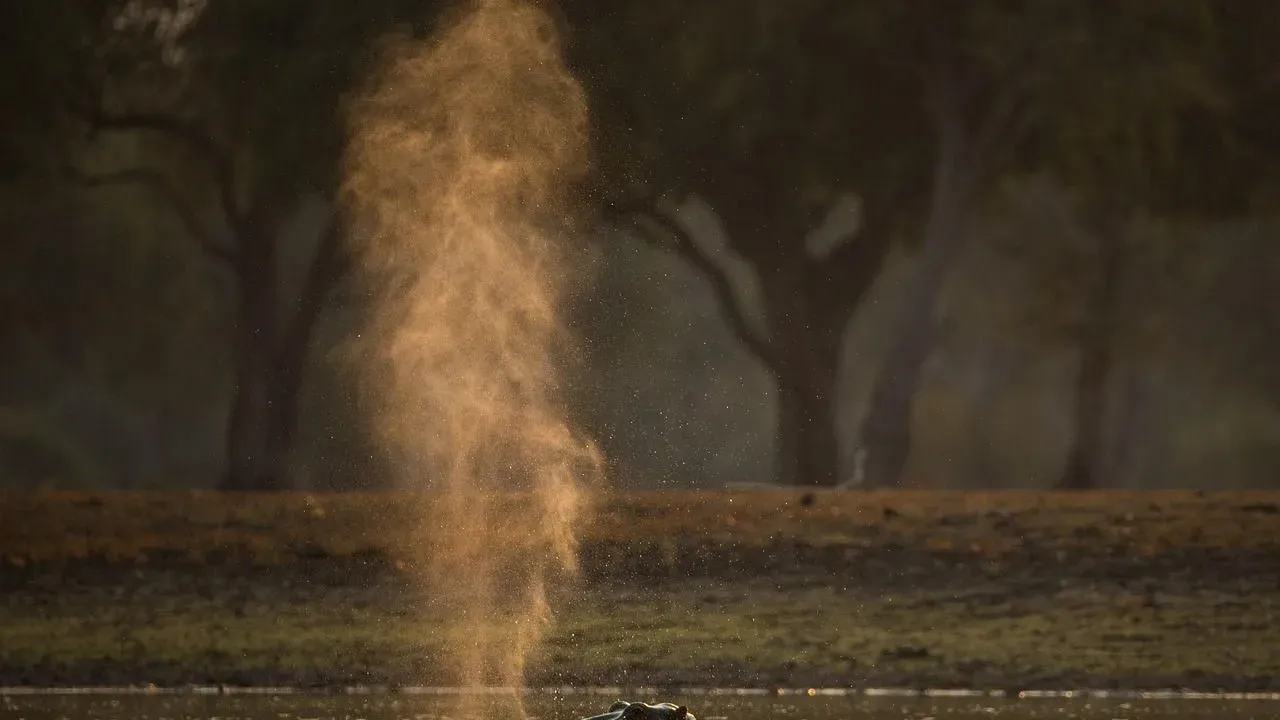

Colombia – Wildlife officials have rescued a young hippo from the growing population of animals descended from Pablo Escobar’s private collection. The calf, part of the so-called cocaine hippos, was found in a vulnerable state and taken into care to improve its chances of survival. The incident highlights the lasting ecological footprint left by the drug lord’s former estate more than three decades after his death.
The Rescue Operation
Teams responded after reports of the calf struggling near a river system in central Colombia. Staff from environmental agencies moved quickly to secure the animal and transport it to a specialized facility. The operation required careful handling to avoid stressing the young hippo or endangering responders. Such interventions have become more frequent as the herd expands and individuals wander into areas with higher human activity. Officials noted that early rescues can prevent injuries from vehicles or conflicts with livestock. The calf is now under observation and receiving veterinary support tailored to its age and condition.
Roots in Escobar’s Legacy
The entire wild population traces back to four hippos Escobar imported in the 1980s for his Hacienda Nápoles zoo. After the kingpin was killed in 1993, the animals were left behind and eventually escaped into surrounding waterways. Their descendants have thrived in Colombia’s rivers and lakes, where the climate and abundant food sources support rapid growth. Today the group numbers around 200 individuals, according to government estimates. This makes Colombia the only country outside Africa with a significant wild hippo population. The animals have adapted well, yet their presence raises questions about long-term balance in local ecosystems.
Challenges Ahead
Hippos are large, territorial mammals that can alter riverbanks and compete with native species for resources. Their waste also changes water quality in some areas. Authorities continue to monitor movements and consider options ranging from sterilization programs to relocation efforts. A short list of current management approaches includes:
– Regular population surveys to track growth.
– Targeted rescues for at-risk calves and injured adults.
– Research into fertility control methods suitable for the species.
– Community education to reduce accidental encounters. These steps aim to limit further expansion while protecting both the hippos and surrounding communities. The rescue of this latest calf underscores an unresolved tension between a notorious chapter of Colombia’s past and the practical demands of wildlife management today. How the country addresses the herd will shape river ecosystems for years to come.
AI Disclaimer: This article was created with the assistance of AI tools and reviewed by a human editor.