

Growing spinach can be incredibly rewarding—those tender, emerald-green leaves fresh from the garden taste nothing like store-bought! Yet, it’s such a bummer when seedlings falter or mature plants bolt before you’ve barely had a chance to taste your efforts. Spinach (Spinacia oleracea) hails from central Asia and isn’t considered invasive in home gardens, but it does have precise needs. Get these wrong, and you’ll find yourself cursing leaf curl, yellowing, or an early flowering that ruins your harvest.
I know the frustration of sowing a row of seeds only to have most of them vanish or spindly plants choke each other out. From soil pH to watering routines, every detail matters when coaxing spinach to thrive. Here are twelve classic slip‑ups I’ve learned to dodge—complete with tips on nurturing beneficial insects and creating tiny nesting sites that help keep pests at bay—so you can harvest crisp, nutritious greens all season long!
Neglecting Pest Monitoring
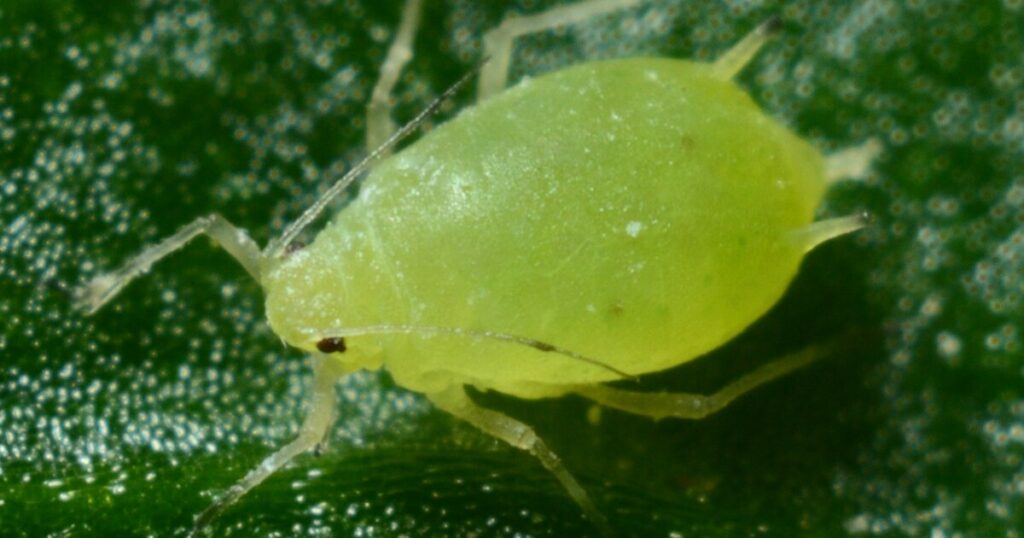
Spinach can attract aphids, flea beetles, and leaf miners, and ignoring early signs of infestation is a recipe for shredded leaves! I’ve found that scanning foliage every few days and gently shaking stems over a white tray helps spot tiny invaders before they spiral out of control. A swift blast of water or a dash of insecticidal soap often clears up small populations.
Encouraging ladybugs and lacewings by planting marigolds or alyssum nearby creates living pest patrols that nestle in the mulch and patrol your spinach for aphids. Those beneficial insects make a world of difference, turning your bed into a microscopic ecosystem where predators and prey balance one another!
Sowing Seeds Too Deep or Too Shallow
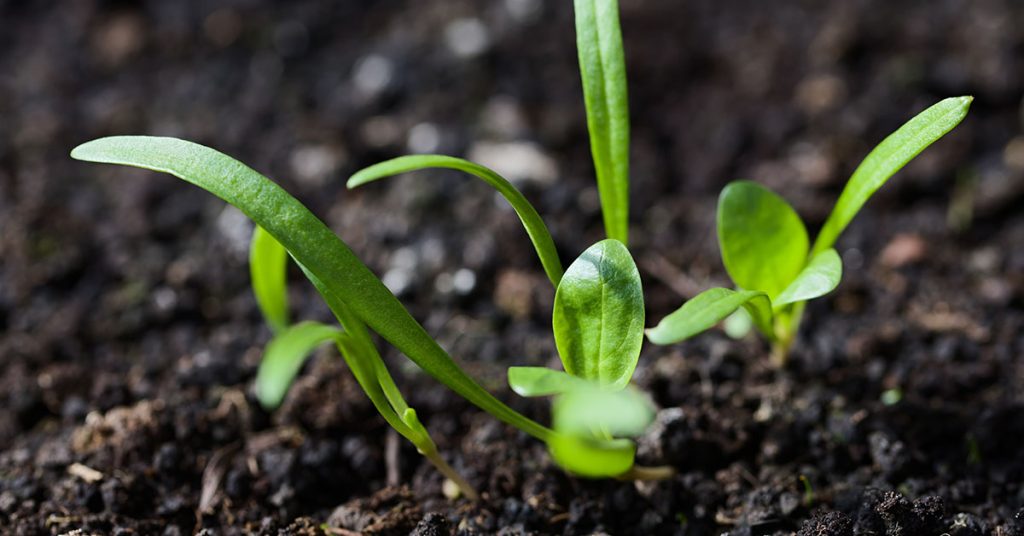
One of my favorite lessons came after I planted seeds an inch deep—and nothing sprouted! Spinach seeds do best at about ¼–½ inch depth, where they can push through soil without drying out or drowning. Too shallow, and birds might feast on your crop before germination. Too deep, and the seedlings simply never emerge.
I now mark my furrows carefully and cover seeds with fine, crumbly soil, then gently firm it down. This method retains moisture for consistent emergence and even creates tiny tunnels where earthworms nest, aerating the soil and enriching it with nutrients as they burrow beneath your spinach.
Improper Harvesting Methods
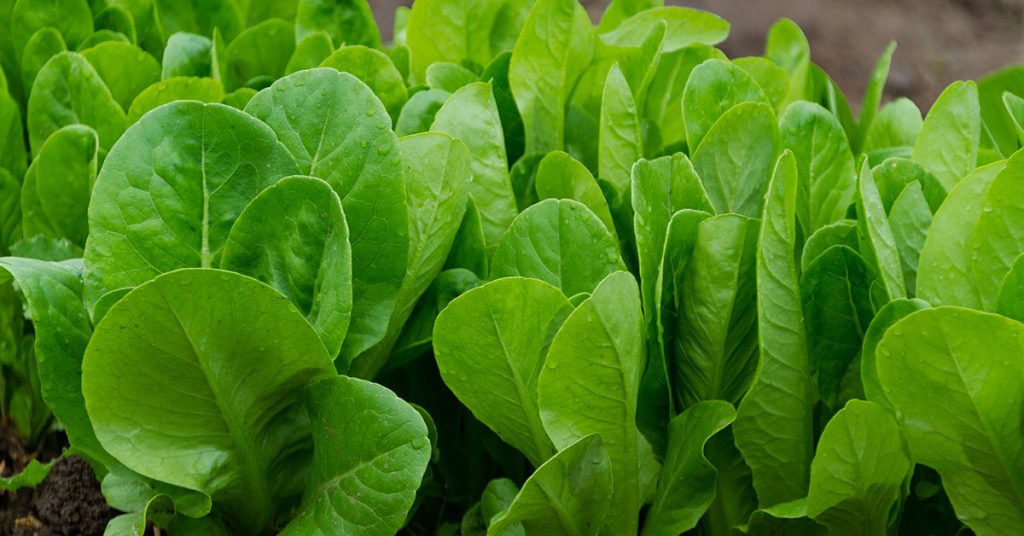
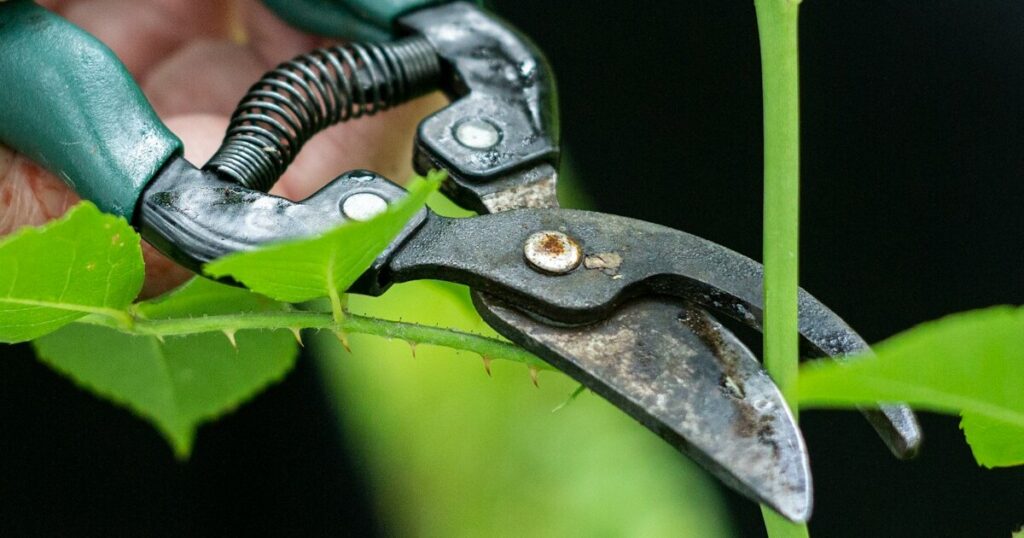
Pinching or ripping off entire leaves too close to the crown can weaken or kill the plant—such a bummer when you’re down to your last few mature plants! Instead, I carefully snip outer leaves at the base, leaving the central rosette intact for continued growth. This “cut‑and‑come‑again” style often yields multiple harvests from a single sowing.
Spinach isn’t invasive, but damaged crowns can invite disease. Clean cuts help prevent fungal spores from settling in wounded tissue, and you’ll appreciate watching fresh leaves sprout week after week, ready for your next salad or smoothie!
Skipping Thinning for Robust Growth
Crowding seedlings leads to weak, spindly plants competing for light, water, and nutrients. I used to rush the thinning step—big mistake! Pull or snip seedlings so that mature plants sit 4–6 inches apart. This extra elbow room encourages stronger stems and larger leaves.
Thinning also improves airflow, reducing humidity pockets that can foster downy mildew. Those gaps become nesting grounds for ground beetles, which hunt slug eggs and other pests under the mulch. Your spinach bed will feel breezier and more secure!
Ignoring Soil pH and Fertility
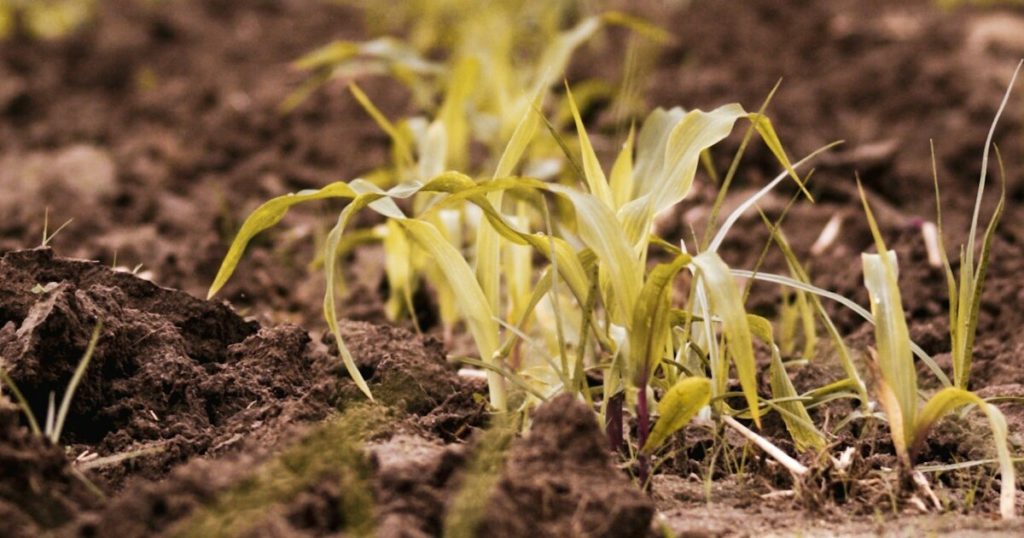
Spinach thrives in a slightly alkaline to neutral pH (6.5–7.5). I once planted in untested soil only to see widespread yellowing—classic iron chlorosis from overly acidic earth! A simple soil test kit can guide you to add lime or sulfur to balance pH.
As a heavy feeder, spinach benefits from compost or aged manure worked into the top six inches before planting. Rich organic matter not only supplies nutrients but also supports tiny springtails and earthworms, whose nesting and tunneling activities naturally aerate and enrich the bed.
Planting at the Wrong Time of Year

Spinach detests heat and bolts quickly once days lengthen and temperatures climb above 75 °F. I learned this the hard way when a late‑April sowing burst into flower by June! Sow in early spring and again in late summer for a crisp autumn crop.
Because its ancestors evolved in temperate Central Asian climates, spinach expects cool, steady conditions. Following the right planting window avoids bolting and bitterness—and makes your venture feel less like a gamble and more like a reliably rewarding ritual.
Failing to Succession Plant

A single sowing often yields a glut of leaves all at once, then nothing—but staggering plantings every two to three weeks keeps fresh greens coming. I now mark sow dates on a garden calendar and enjoy a continuous harvest instead of a one‑time rush!
Spinach matures quickly—sometimes in just 30 days—and tolerates light frost. Succession planting also smooths out workload and gives beneficial insects time to establish between sowings, rather than flushing them away with mass germination events.
Neglecting Mulch and Weed Control
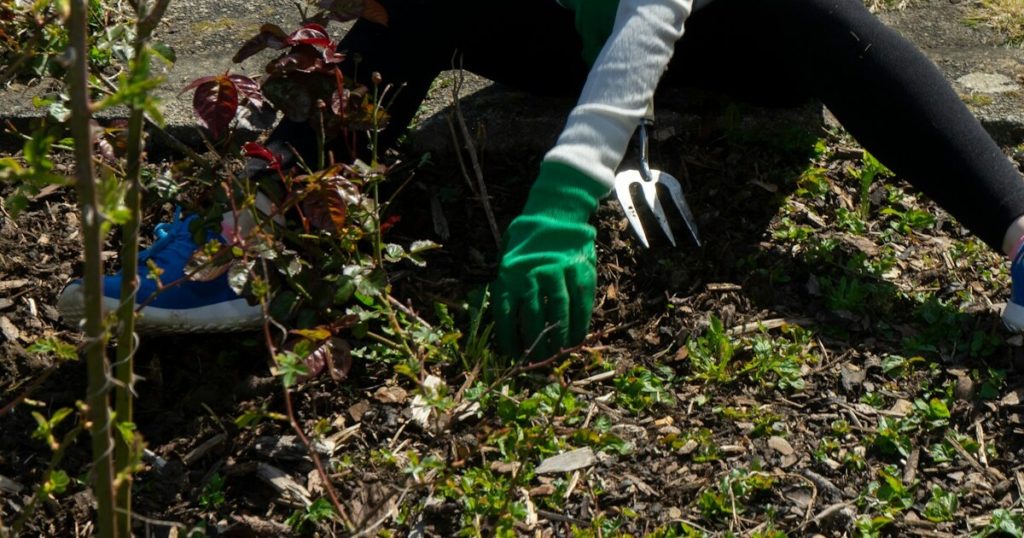
Weeds compete fiercely with shallow-rooted spinach for resources, and a weed-choked bed can stunt or smother your crop. Applying a thin layer of straw or shredded leaves suppresses weeds, retains soil moisture, and creates nesting pockets for toads and ground beetles that patrol for slugs and snails!
Mulch also moderates soil temperature, keeping roots cooler on warm spring days. Spinach won’t become invasive under mulch, but your garden bed will feel more orderly, healthy, and alive with helpful critters.
Overcrowding Your Seedlings
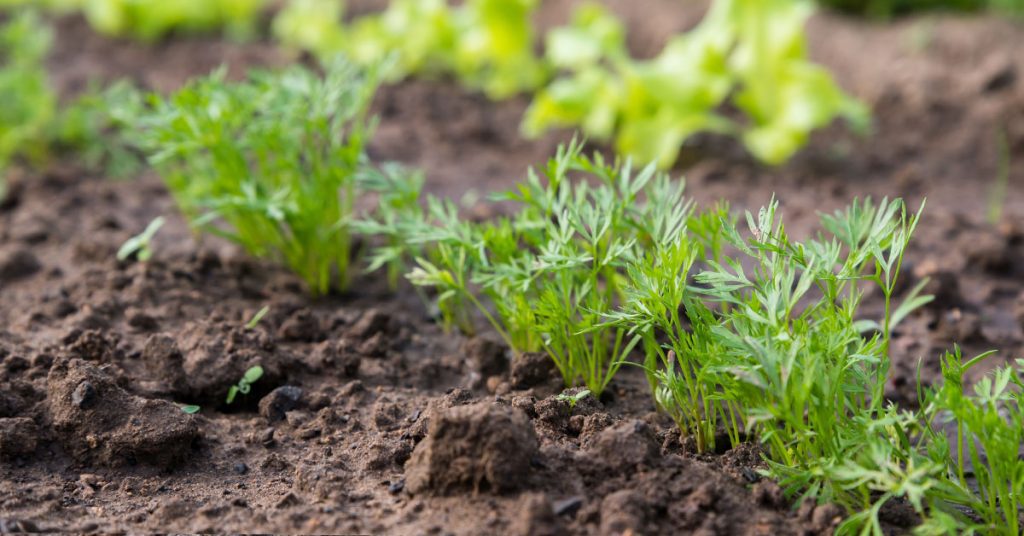
Sowing seeds too close together may seem efficient, but it leads to thinning nightmares and tangled roots. I aim for rows spaced 12 inches apart, with seedlings 4–6 inches within rows. That spacing ensures each plant gets enough light and airflow for optimal leaf growth.
Proper spacing also minimizes fungal issues by letting dew evaporate quickly. As an added bonus, the spaces between plants become real estate for nest‑building ladybugs and lacewings, turning your spinach patches into mini wildlife refuges.
Ignoring Bolting Signals
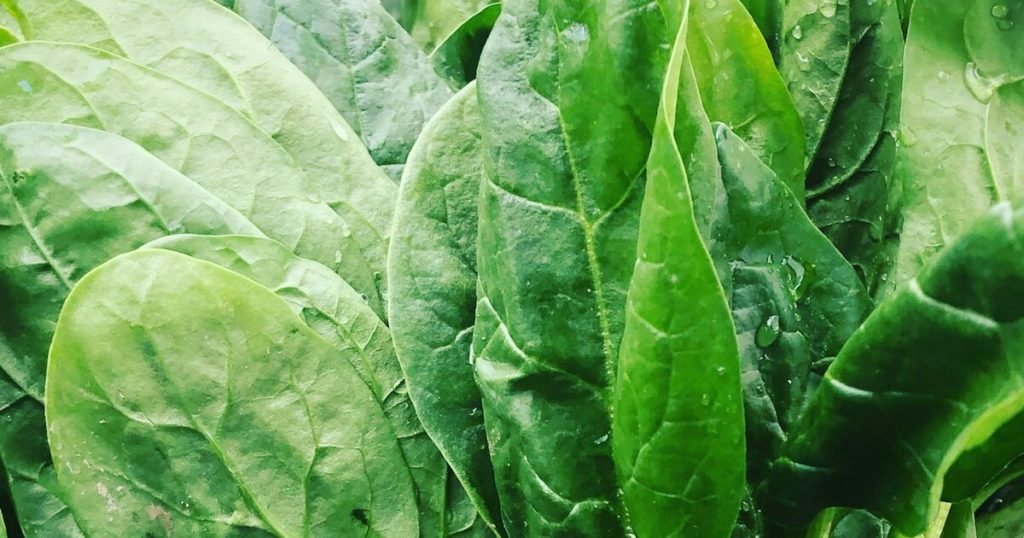
Spinach sends up a flower stalk when stressed—long days, drought, or heat are common culprits. Once you spot that central spear forming, harvest immediately; those leaves become tough and bitter fast. I keep a vigilant eye during fluctuating spring temperatures to catch bolting early.
Allowing bolting plants to blossom, though, attracts pollinators like bees and hoverflies, which might nest in the soil around the base. After collecting seeds from the best performers, you can sow next year’s crop with superior genetics—just remember not to let too many plants flower or you’ll sacrifice this season’s harvest!
Inconsistent Watering Practices

Spinach needs consistent moisture to develop tender leaves—drought stress leads to shriveled, tough blades. Conversely, overwatering can cause root rot and disease. I check soil moisture by poking a finger an inch down; if it feels dry, it’s time for about an inch of water.
Drip irrigation or soaker hoses at the soil line deliver water efficiently without wetting foliage, reducing fungal risk. And as an extra perk, slightly moist mulch invites springtails and earthworms to nest happily in the topsoil, naturally improving structure and fertility.
Forgetting Crop Rotation
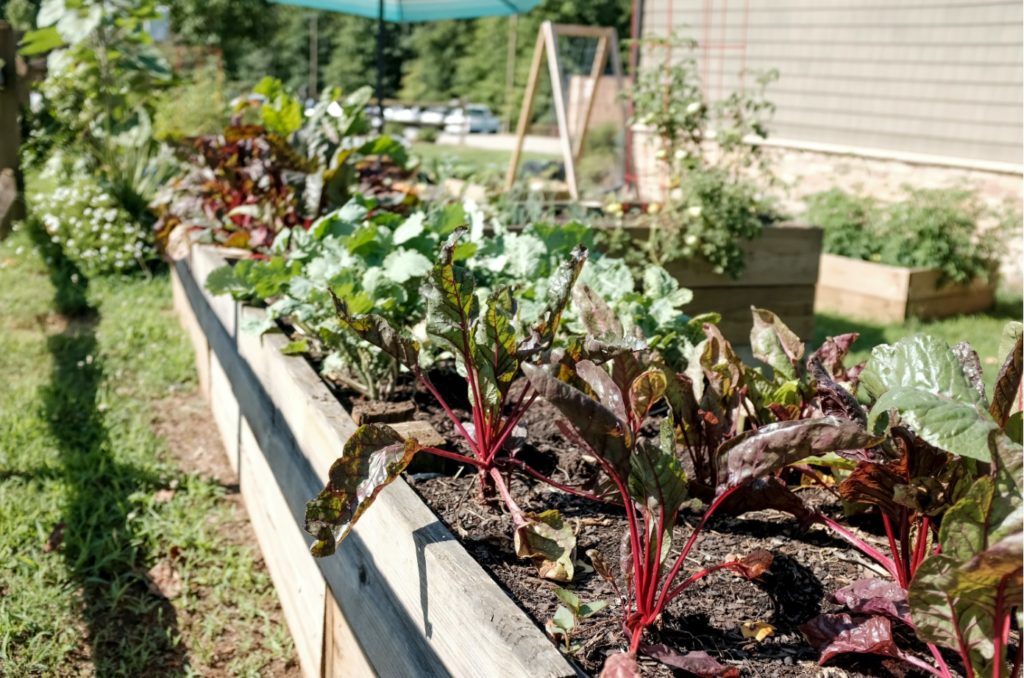
Planting spinach in the same spot year after year invites soil‑borne diseases like fusarium wilt. I practice a three‑year rotation, alternating brassicas, legumes, and nightshades to break pest and pathogen cycles. Your bed stays healthier, and you’ll feel more confident sowing each season!
Rotation also helps maintain soil fertility—legumes fix nitrogen, brassicas use it, and nightshades replenish organic matter. Rotating crops won’t make spinach invasive, but it will keep your garden ecosystem dynamic, balanced, and productive.