

I’m so excited you’re eager to see those iconic, fuchsia blooms lighting up your home this holiday season! It’s such a bummer when your Christmas cactus (Schlumbergera spp.) puts out healthy green pads but refuses to flower, despite months of care. I know how frustrating it is—especially when you’ve been watering diligently, tweaking light, and whispering encouraging words—only to get … nothing. Let’s turn that disappointment into delight with ten common pitfalls and how to avoid them!
Christmas cactus hails from the cool, mist‑shrouded forests of Brazil’s coastal mountains, thriving as an epiphyte on tree branches rather than in desert sand. Unlike some houseplants that can run rampant, these epiphytic beauties aren’t invasive; instead, they rely on balanced moisture, specific temperature cues, and a proper rest period to trigger bud set. Follow these tips, and soon you’ll be rewarded with vibrant blooms just in time for holiday cheer!
Ignoring the Fall Dormancy Period

One of my favorite parts of Christmas cactus care is giving it a gentle “rest” in autumn—just like in its native Brazilian habitat, where shorter days signal a slowdown. If you skip this cool, dark dormancy (around 55–60°F and 12–14 hours of uninterrupted darkness), your plant won’t get the message to form flower buds!
During dormancy, I move my cactus to a quiet corner and cut back on water and fertilizer. It feels counterintuitive to water less when you want flowers, but remember: in the wild, these cacti cling to branches with limited moisture as the forest canopy thickens in winter. Providing that simulated rest primes them for a spectacular bloom!
Overwatering the Cactus
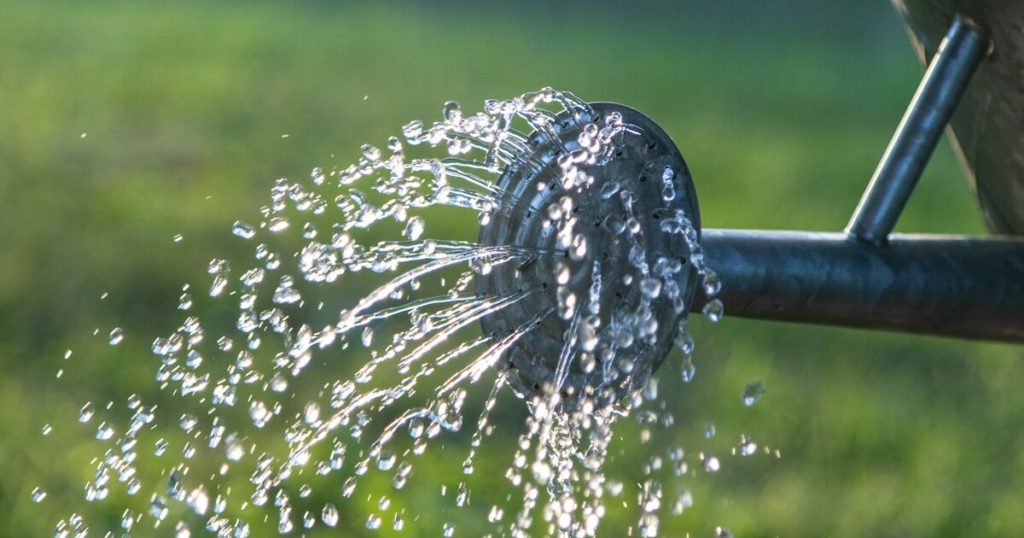
It’s such a bummer when soggy soil leads to root rot instead of blossoms. Christmas cacti prefer evenly moist—not waterlogged—conditions. If you let water pool around the roots, they suffocate and can’t support bud development!
I’ve been guilty of babying mine with too many drinks, only to see pad discoloration and dropped buds. Now I water thoroughly, then let the top inch of potting mix dry before watering again. This mimics the intermittent rain cycles of its epiphytic homes and encourages robust root health for flowering!
Placing in Direct, Hot Sun

While your Christmas cactus enjoys bright light, full sun—especially through hot summer or winter windows—scorches its pads and stresses the plant. Sunburned segments can’t devote energy to blooms. I once lost half my buds to a south‑facing window blast!
Instead, give it bright, indirect light—ideally morning sun and afternoon shade. This replicates the dappled forest light it experiences under tree canopies in Brazil. Happy, unburned pads mean more energy reserved for creating those gorgeous holiday flowers.
Using the Wrong Fertilizer
Feeding your cactus with a high‑nitrogen houseplant mix might fuel lush green growth, but it doesn’t encourage flowering. Excess nitrogen delays bud set and can even lead to more vegetative segments, leaving you cactus-rich but bloom‑poor!
I switched to a low‑nitrogen, higher‑phosphorus formula (like a 2-10-10) come late summer, and the difference was staggering. Phosphorus supports bud formation, so it’s like giving your plant a “bloom boost.” Remember: in nature, nutrient trickles from decaying organic matter, not heavy fertilizer, guide seasonal cycles.
Skipping Pruning After Blooming
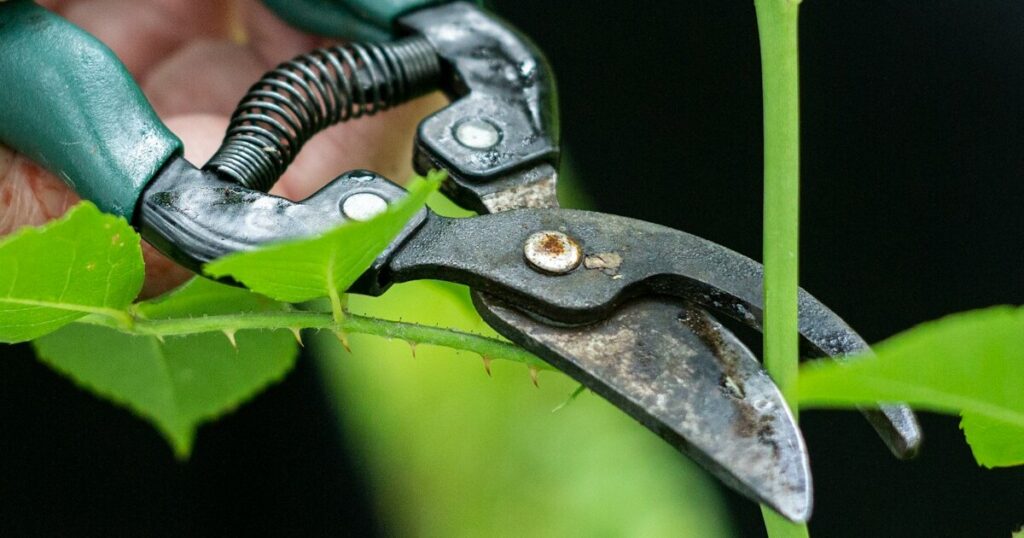
Leaving spent segments and flower stalks in place can sap energy that would otherwise go into next year’s buds. A light pruning—removing two to three pads after flowering—encourages branching and more bud sites!
I know it feels weird to cut away any part of such a beloved plant, but think of it as sculpting: you’re guiding growth where you want it. Those new side branches are where next season’s buds will form, so pruning is a creative step toward a fuller display.
Repotting at the Wrong Time

Christmas cactus typically blooms in late November or December; repotting too close to bud set shocks the roots and can cause bud drop. I once moved mine in November and watched all my flower buds plummet!
Instead, refresh the potting mix every two to three years in spring—after blooming and before the growth flush. This timing gives your plant a stable foundation through the critical bud‑forming period in autumn.
Providing Inconsistent Temperatures

Sudden temperature swings—like from a drafty door or a heater vent—confuse your cactus’s natural rhythm. Bud initiation requires consistent nights around 55–65°F. I’ve woken in the night to blasts of heat or cold that stalled bud development!
Keep your cactus in a steady‑temperature spot, away from drafts and direct heat sources. This steady environment mirrors the stable mountain forest climate where it evolved, allowing buds to form without hormonal whiplash.
Crowding the Pot
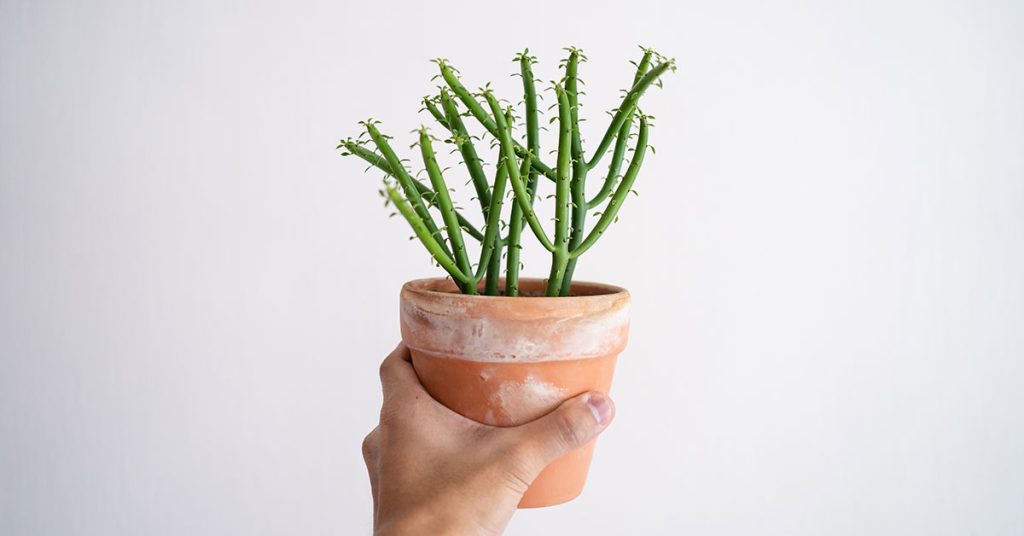
A Christmas cactus that’s root‑bound might still survive, but it won’t have the space to store water and nutrients essential for blooms. If you see roots circling the drain holes, it’s time for a slightly larger pot—no more than one size up!
I once let mine get too snug, and although it grew pads, buds never fully opened. A bit of extra room without going overboard gives roots breathing space, stores reserves, and supports the energy-intensive bloom process.
Neglecting Humidity Needs
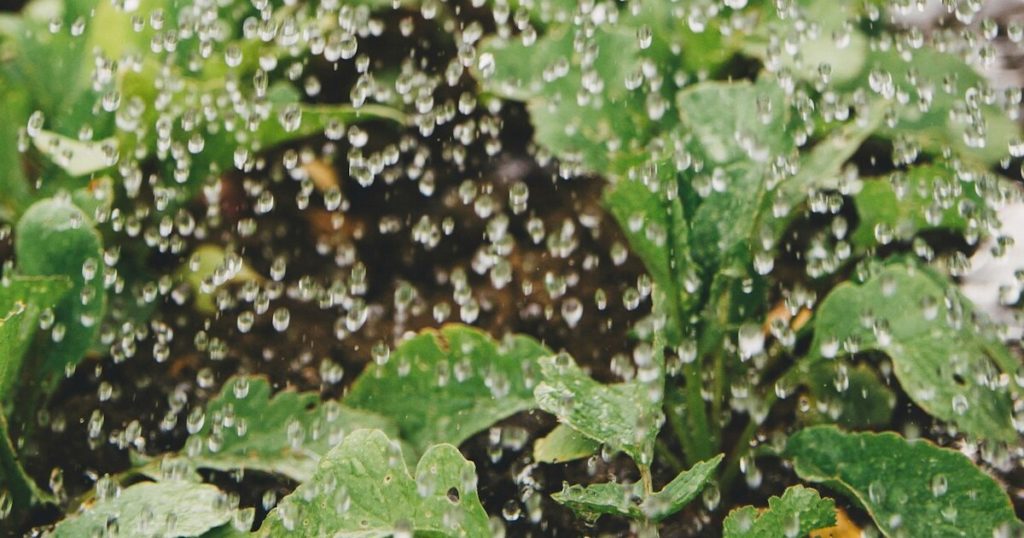
These epiphytes thrive in the humid understory of Brazilian forests. In dry indoor air—especially with winter heating—buds can shrivel or refuse to open. I’ve rescued mine by placing a pebble tray or using a humidifier nearby!
Boosting humidity to around 50–60% recreates its native misty conditions. You’ll see firmer, more vibrant buds that open fully, turning every pad into a festive burst of color.
Ignoring Pest and Disease Checks

It’s heartbreaking to spot tiny mealybugs or scale insects hitchhiking on your cactus just before bloom time. These pests suck sap, weakening the plant and inhibiting bud development!
I make a habit of inspecting pads weekly, gently wiping suspected spots with alcohol and using insecticidal soap if needed. A healthy, pest-free cactus channels all its strength into gorgeous flowers—not battling invaders.