

It’s such a bummer when you’re brimming with excitement at planting time, only to find your seedlings jostling for elbow room a few weeks later! Overcrowded vegetables compete fiercely for water, nutrients, and sunlight, leading to weak growth, rampant disease, and fewer blooms. I know how frustrating it is to watch lush seedlings turn leggy or stunted simply because they lacked the space to stretch out and thrive.
In this article, I’ll share nine proven tips to ensure each plant in your garden has the perfect personal zone. From labeled spacing guides to succession planting schedules, these strategies will help you avoid the common pitfalls of crowding while boosting pollinator visits and even encouraging beneficial insects to nest nearby. Let’s dive in and give your crops the breathing room they deserve!
Label Plant Varieties and Spacing Distances

Before you ever break ground, take a moment to note the exact variety of each vegetable and its recommended spacing. Many gardeners assume all tomatoes or peppers need the same room, but cultivars can vary significantly. For example, cherry tomatoes (Solanum lycopersicum var. cerasiforme), native to western South America, often need only 18 inches between stems, whereas indeterminate beefsteaks may require 24 to 36 inches. Neither variety is invasive, but ignoring these details can lead to a tangled jungle of vines!
One of my favorite tricks is to craft simple stakes with plant names and spacing distances written in waterproof marker. This prevents accidental scrubs of soil over labels and keeps me on track when thinning or transplanting. By clearly mapping out each plant’s footprint, you avoid guesswork and ensure every crop has room to flourish—truly a game-changer for organized, productive beds!
Intercrop Fast- and Slow-Growing Crops

Pairing quick-maturing vegetables like radishes (Raphanus sativus) with slower growers such as lettuce (Lactuca sativa) maximizes space and light without crowding. Radishes, native to Southeast Asia, can be harvested in as little as 30 days, freeing up ground just as lettuce needs more elbow room to form crisp heads. Neither radish nor lettuce is invasive, but strategic timing keeps your beds dynamic and efficient!
Proper intercrop spacing also benefits wildlife: as lettuce rosettes widen, the earlier-harvested radish area reveals bare soil—prime real estate for solitary bees to excavate nesting tunnels! I love seeing these tiny ground-nesters at work, and by staggering crops, you inadvertently invite them to set up residence, boosting pollination throughout your garden.
Monitor and Adjust Your Spacing Mid-Season
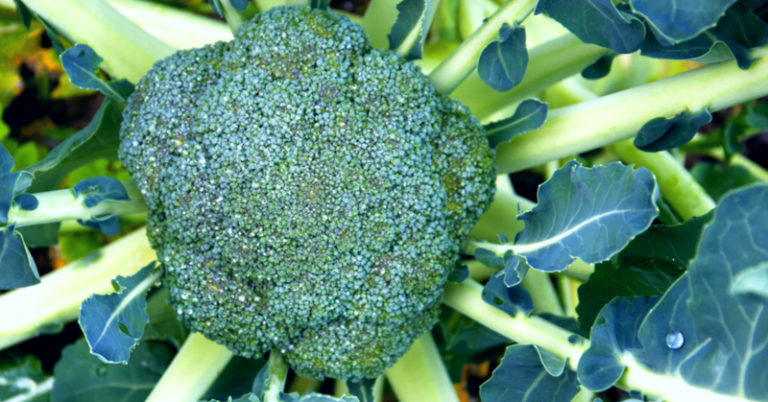
Even the best-laid plans sometimes need tweaking! As seedlings grow, walk your beds every week to check if plants are still following the textbook spacing. If broccoli (Brassica oleracea var. italica), native to the Mediterranean, begins crowding its neighbors, gently thin or transplant extras to maintain the ideal 18-24 inches between heads. Broccoli seldom becomes invasive, but its robust growth can overwhelm smaller plants if left unchecked!
Keeping paths between rows clear also encourages birds like sparrows and wrens to forage and nest. These feathered friends snack on caterpillars and slugs, providing free pest control! By staying vigilant and adjusting spacing before crowding becomes critical, you foster both healthy crops and a bustling garden ecosystem.
Use Vertical Gardening Structures

When ground space is tight, going vertical can be a revelation! Climbing beans (Phaseolus vulgaris), native to Central and South America, flourish on trellises when spaced just 4–6 inches apart at the base—provided they have sturdy support to grow upward. Beans aren’t invasive in most home gardens, but left unchecked, they’ll sprawl along the ground and choke out other crops.
The vertical layer also invites pollinators: hummingbird moths and bumblebees zip through bean blossoms, sometimes seeking crevices in trellis knots for shelter. I love how installing a simple A-frame or netting transforms a cramped plot into a multi-dimensional paradise, where every inch of space works double duty!
Mind Companion Plant Proximities
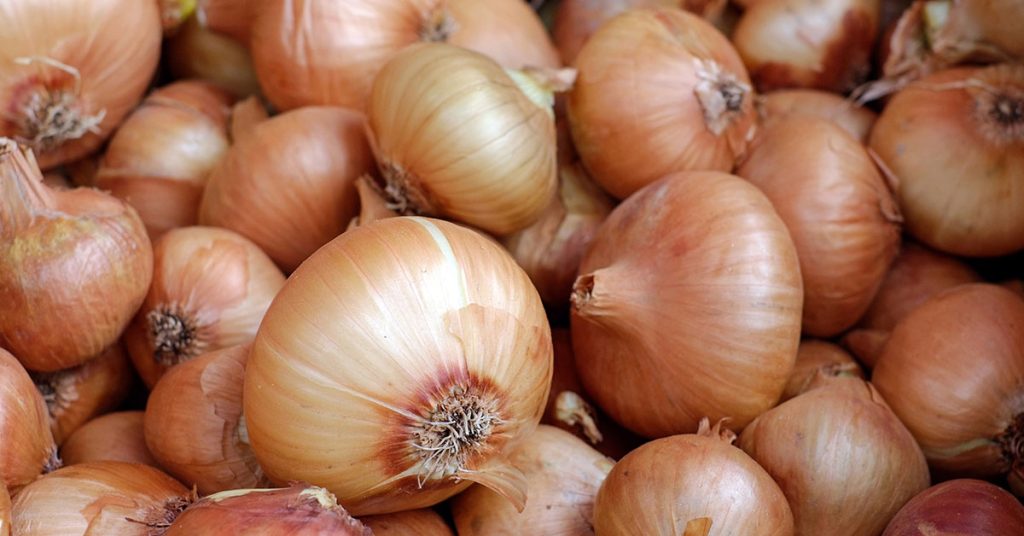
Not all vegetables play well side by side. Certain companions, like onions (Allium cepa), native to Central Asia, emit scents that deter pests on nearby carrots (Daucus carota), native to Europe and southwestern Asia. Both are non-invasive, but planting them too closely—say within 2 inches—can stunt growth due to root competition. Instead, aim for at least 4–6 inches between these friends to let each shine.
Proper companion spacing also creates microhabitats: the dense foliage of onions shades beetle eggs, while carrot flowers later provide pollen for hoverflies. These beneficial insects often lay eggs on undersides of leaves, where their larvae feast on aphids. Thoughtful proximities, therefore, boost both plant health and the garden’s natural pest patrol!
Optimize Row Spacing and Bed Width

The distance between rows matters just as much as between plants in a row. For crops like sweet corn (Zea mays), native to Mesoamerica, maintaining 30–36 inches between rows ensures breezy air circulation, reducing fungal diseases. Corn isn’t invasive outside its cultivated areas, but its tall stalks can shade out low-growing neighbors if rows are too narrow.
Wider bed designs—no more than 4 feet across—allow you to reach the center without stepping on soil, preventing compaction that hinders root growth. Plus, those gaps become flyways for pollinating bees searching for squash blossoms or cucumbers. I always leave just enough room for my boots and the bees to pass, creating a harmonious balance between access and productivity!
Time Succession Plantings Wisely
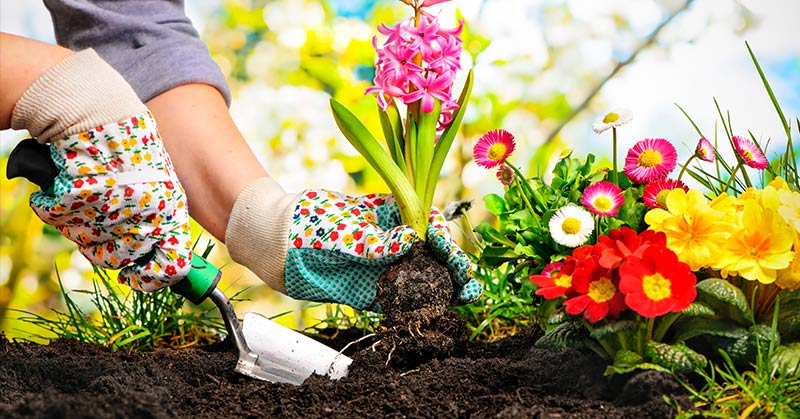
Staggering sowing dates can prevent overcrowding and prolong your harvest. Spinach (Spinacia oleracea), native to Central Asia, thrives when sown in early spring and again in late summer, about 3–4 weeks apart. Each sowing requires only 2–3-inch initial spacing, so when the first patch thins, the next can fill in without overlap. Spinach rarely escapes cultivation, but precise timing keeps beds orderly.
By rotating crops and reseeding at intervals, you’re also offering continuous forage for pollinators and beneficials. Early blooms from cilantro or alyssum planted alongside spinach provide nectar for emerging queen bees, encouraging nesting in nearby bare patches. Succession planting, then, isn’t just about yield—it’s a symphony of planting, harvesting, and wildlife support!
Thin Seedlings Promptly

Those pinch-happy toddlers among our seeds can lead to tangled crowds later on. When carrot seedlings push up in thick clusters—each seed packet often sows multiple seeds in one spot—thin them to one healthy plant per 2–3 inches while they’re still tiny. Carrots, with origins in Afghanistan, aren’t invasive but will create malformed roots if overcrowded, frustrating any hopes for straight, juicy carrots!
Thinning doesn’t mean discarding extras: I transplant some to fill gaps in other beds, minimizing waste. And while you’re at it, look for ground-nesting bees carving out tunnels; freshly thinned soil offers them ideal spots to start their seasons. It feels rewarding to thin seedlings and simultaneously nurture the next generation of pollinators!
Support Vining Crops Properly
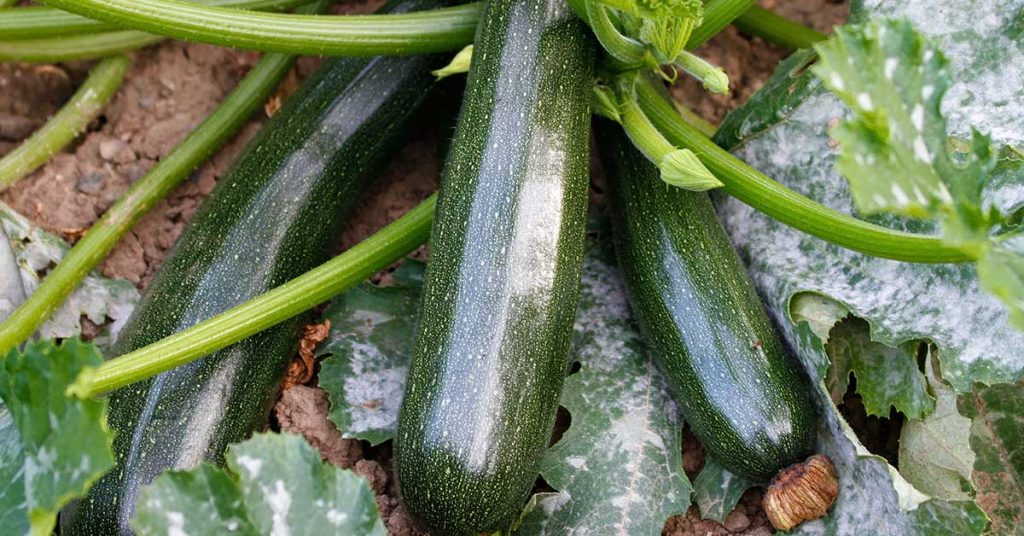
Zucchini vines (Cucurbita pepo), native to Mesoamerica, can spread over 3 feet in every direction if left to sprawl—crowding peas, lettuce, and neighbors. By training vines onto low trellises spaced 18–24 inches apart, you confine their reach and increase airflow, slashing the risk of powdery mildew. Zucchini isn’t typically invasive, but its prodigious growth demands intentional guidance!
Elevating vines also encourages hanging baskets of tiny snail-eating birds like wrens to nest within sturdy trellis supports. Watching wrens patrol for pests among your squash blossoms is endlessly entertaining! Proper vine support, therefore, doubles as habitat enhancement—an artful fusion of structure and wildlife hospitality.