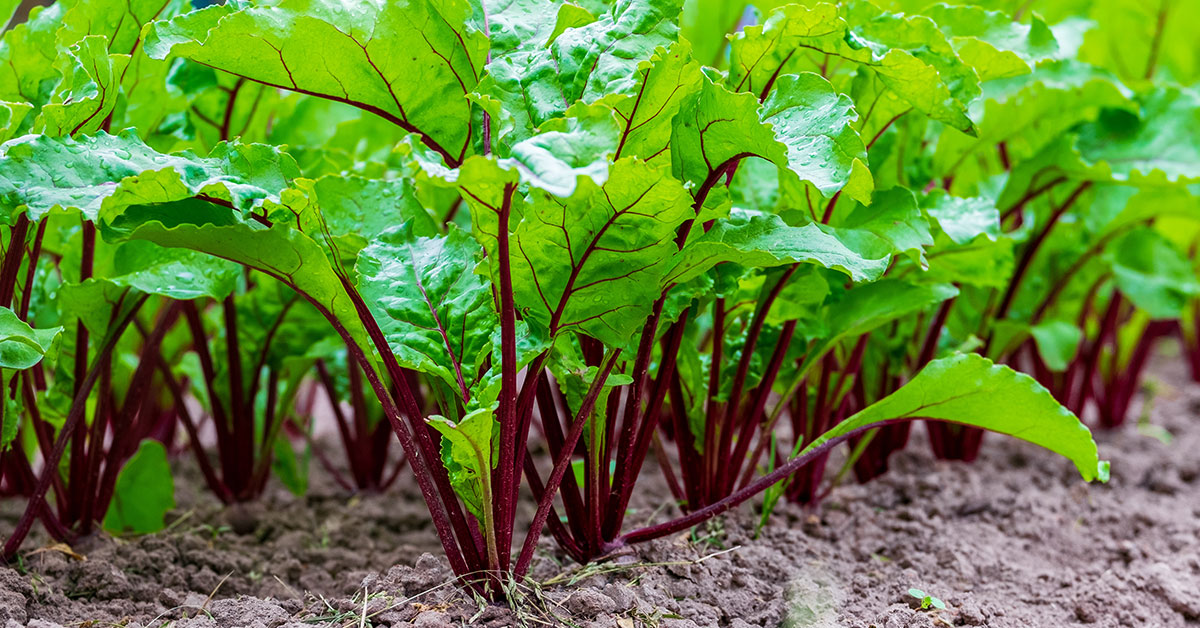

With its vibrant white color and sweet, earthy flavor, the avalanche beet variety is sure to impress both your taste buds and your friends.
We discuss everything you need to know about growing Avalanche Beets, from planting and caring for them to harvesting and enjoying the bountiful harvest.
What is an Avalanche Beet?
In recent years, there has been a growing interest in unique and exotic fruits and vegetables. One such vegetable that has caught the attention of many food enthusiasts is the Avalanche Beet. With its vibrant colors and distinct flavor, this beet variety has become a popular choice for both home cooks and professional chefs. In this blog post, we will explore what exactly Avalanche Beet is, its origins, and why it has gained so much popularity.
Avalanche Beet, also known as Beta vulgaris ‘Avalanche,’ is a variety of beet that belongs to the Chenopodiaceae family. It is believed to have originated in Italy, where it was first cultivated for its striking appearance and culinary uses. The Avalanche Beet gets its name from its stunning white flesh and skin, resembling a snow-covered landscape after an avalanche. Unlike traditional beets with their deep red hue, this variety stands out with its unique coloration.
While Avalanche Beet may differ in appearance from its counterparts, it still retains the earthy and sweet flavors typical of beets. The white flesh has a slightly milder taste compared to red beets, making it appealing to those who find the regular variety too overpowering. Its texture is also slightly less fibrous, making it easier to prepare and incorporate into various dishes.
Avalanche Beet can be enjoyed both raw and cooked, offering versatility in the kitchen. When eaten raw, it adds a crisp and refreshing element to salads, slaws, or even as a topping for sandwiches and burgers. Cooking Avalanche Beet brings out its natural sweetness and softens its texture, making it an excellent choice for roasting, steaming, or boiling. It can be used as a standalone side dish, incorporated into soups, or even pickled for a tangy twist.
In addition to its unique taste and culinary uses, Avalanche Beet also offers several health benefits. Like other beets, it is rich in essential vitamins, minerals, and dietary fiber. It contains antioxidants, including betalain compounds, which have been associated with reducing inflammation and potentially lowering the risk of chronic diseases. Furthermore, beets are known to support healthy digestion, boost energy levels, and promote cardiovascular health.
What does an Avalanche Beet taste like?
When it comes to unique and interesting vegetables, the Avalanche Beet certainly stands out. With its striking appearance and vibrant white color, this variety of beet is not only visually appealing but also has a distinct taste that sets it apart from traditional red beets.
The Avalanche Beet, also known as the white or albino beet, has a milder and sweeter flavor compared to its red counterparts. Its taste can be described as earthy with a hint of sweetness and a subtle nuttiness. Some people even compare its flavor to that of sugar snap peas or sweet corn.
One of the reasons why Avalanche Beets have a sweeter taste is because they contain a higher sugar content compared to red beets. This sweetness adds a pleasant contrast to their earthy undertones, making them a versatile ingredient in a variety of dishes.
When cooked, Avalanche Beets retain their flavor profile while also becoming tender and slightly creamy. They can be roasted, boiled, or steamed, and their natural sweetness intensifies during the cooking process. This makes them a delicious addition to salads, soups or even enjoyed on their own as a side dish.
In addition to their unique taste, Avalanche Beets also offer a range of health benefits. Like other beets, they are packed with essential nutrients such as vitamins, minerals, and antioxidants. They are also a good source of dietary fiber, which can aid in digestion and promote a healthy gut.
How to start from seed
When it comes to starting Avalanche Beet from seed, it is important to choose high-quality seeds. Look for a reputable seed supplier or a local garden center that offers a wide range of beet varieties, including Avalanche Beet. Make sure the seeds you choose are fresh, as older seeds may have reduced germination rates. Additionally, consider purchasing organic seeds if you prefer to grow your vegetables without the use of synthetic chemicals.
Preparing the Soil:
Avalanche Beets thrive in well-draining soil that is rich in organic matter. Before sowing the seeds, prepare the soil by removing any weeds, rocks, or debris. Loosen the soil to a depth of at least 6 inches and incorporate compost or well-rotted manure to improve its fertility. This will provide the young beet plants with the necessary nutrients for healthy growth.
Sowing the Seeds:
The best time to sow Avalanche Beet seeds is in early spring when the soil has warmed up and the risk of frost has passed. Create furrows in the prepared soil, spaced about 12 inches apart. Sow the seeds thinly along the furrows, approximately 1 inch apart. Cover the seeds lightly with soil, making sure they are no more than ½ inch deep. Gently pat down the soil to ensure good seed-to-soil contact.
Watering and Care:
After sowing the seeds, it is important to keep the soil consistently moist but not waterlogged. Beets have shallow roots, so regular watering is crucial, especially during dry periods. Avoid overhead watering as it can lead to fungal diseases. Instead, use a drip irrigation system or water at the base of the plants. As the seedlings emerge, thin them to about 3-4 inches apart to allow enough space for proper development.
Providing Adequate Sunlight:
Avalanche Beet plants require full sun to thrive. Ensure they receive at least 6-8 hours of direct sunlight daily. If you have limited space in your garden, you can also grow them in containers or raised beds, as long as they receive sufficient sunlight. Monitor the plants closely and provide shade during hot summer days if needed to prevent wilting.
Harvesting:
Avalanche Beets are typically ready for harvest 50-60 days after sowing, but you can also harvest them earlier for baby beet greens. To harvest mature beets, gently loosen the soil around the base of the plant and lift them out. Be careful not to damage the roots. Trim off the greens, leaving about an inch of stem, and store them in a cool, dry place. The beets can be stored in the refrigerator for several weeks.
How to grow this plant in your garden
The Avalanche Beet, also known as the white beet, is a unique and delicious vegetable that can add a pop of color to your garden and your plate. If you’re interested in growing your own Avalanche Beets, here are some helpful tips to get you started:
- Choosing the Right Location:
Avalanche Beets thrive in a sunny location with well-draining soil. Before planting, make sure the soil is loose and rich in organic matter. If your soil is heavy or clay-like, consider adding compost or organic matter to improve drainage. - Planting Time:
Avalanche Beets are cool-season crops, meaning they prefer cooler temperatures for optimal growth. The best time to plant them is in early spring or late summer when the soil temperature is around 50°F (10°C). This will ensure that the seeds germinate and the plants grow successfully. - Sowing the Seeds:
Prepare the soil by removing any weeds or debris. Create furrows about half an inch deep, spaced about 12 inches apart. Sow the Avalanche Beet seeds about 2 inches apart in the furrows. Cover the seeds with soil and gently pat it down. - Watering and Care:
Keep the soil consistently moist during the germination period, which usually takes about 7-10 days. Once the seedlings emerge, water them regularly, ensuring the soil remains evenly moist. Be careful not to overwater, as it can lead to rotting of the roots. Mulching around the plants can help retain moisture and suppress weed growth. - Thinning and Transplanting:
When the seedlings have grown to about 2-3 inches tall, thin them out to ensure proper spacing. Leave about 4-6 inches between each plant to allow them enough room to develop. The thinned seedlings can be transplanted to another area of the garden or used for culinary purposes. - Fertilizing:
Avalanche Beets are not heavy feeders, but they benefit from a balanced fertilizer application. Apply a slow-release organic fertilizer or compost around the base of the plants once they have been established. This will provide them with the necessary nutrients for healthy growth. - Harvesting:
Avalanche Beets are ready for harvest when they reach a diameter of about 2-3 inches. Gently pull the beets out of the ground, taking care not to damage the roots. The greens can also be harvested and used in salads or cooked as a nutritious side dish.