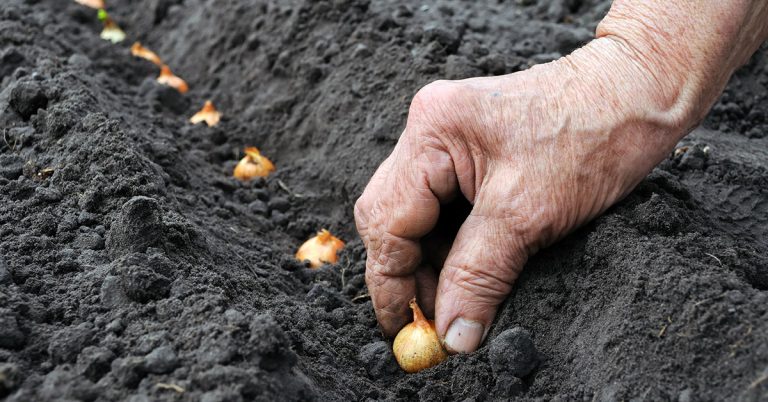
USDA Zone 11 presents a unique set of challenges and opportunities for onion growers due to the region’s tropical climate. The high temperatures, intense sunlight, and frequent rainfall can all have a significant impact on onion growth. With a few safeguards against the extremes, onions will grow very well in this zone without fear of...
USDA Zone 10 boasts a unique climate and weather conditions that onion growers must approach with a tailored strategy to achieve successful cultivation. The region’s year-round warm temperatures, high humidity levels, and distinct wet and dry seasons can pose both challenges and opportunities for onion farmers. Extensive moisture or heat can harm the onion plant...
The distinctive weather and climate conditions found in USDA Zone 9 pose specific challenges and opportunities for onion farmers, who play a critical role in the growth and development of these crops. The extended growing seasons, warm summers, and mild winters require farmers to customize their planting and cultivation techniques to ensure that the onion...
USDA Zone 8 presents a unique set of challenges and opportunities for onion growers, with its distinctive weather and climate conditions. With mild winters and hot summers, as well as varying levels of precipitation and soil quality, onion growers in this region must take a tailored approach to planting and cultivation. In this article, we...
USDA Zone 7 offers a unique environment for onion growers, with its variable weather and climate conditions presenting both challenges and opportunities for successful cultivation. From hot summers to mild winters and varying levels of precipitation, onion growers in this region must take a tailored approach to planting and cultivation to ensure success. In this...
USDA Zone 6 provides a favorable climate for onion growers, with its moderate temperature range and abundant rainfall. However, understanding the optimal planting time and methods for planting onions in this region is crucial. In this article, we will explore the best practices for planting onions in USDA Zone 6, taking into account the area’s...
USDA Zone 5 offers a unique climate for onion growers that can be both advantageous and challenging. With its fluctuating temperatures, frosty winters, and hot summers, cultivating onions in this region requires careful planning and execution. However, by understanding the specific factors that can positively or negatively impact onion growth in USDA Zone 5, you’ll...
USDA Zone 4 is a region that presents a unique set of challenges for onion growers. With its harsh and diverse climate, cultivating onions in this area requires careful planning and execution. However, by understanding the distinct factors that can positively or negatively impact onion growth in USDA Zone 4, you can develop an effective...
USDA Zone 3 is a challenging environment for growing onions due to its harsh climate and unpredictable weather patterns. However, with the right techniques and proper planning, it is possible to achieve a successful onion crop in this region. In this article, we will delve into the optimal techniques for planting onions in USDA Zone...
Onions are a popular vegetable crop that can be grown successfully in a wide range of environments, including USDA Zone 2, which is characterized by short summers, long cold winters, and a relatively low annual temperature range. While planting onions in this region can be challenging, with the right approach, it is possible to achieve...
Onions are versatile vegetables that can be grown in a wide range of climatic conditions, including USDA Zone 1, which is characterized by extremely cold winters and short growing seasons. While planting onions in this region can be challenging, it is possible to achieve a successful crop by following certain best practices. In this article,...
With proper care and attention, it’s possible to grow delicious and healthy tomatoes in Kansas, despite the state’s climate. The state’s hot and humid summers, fluctuating temperatures, and frequent thunderstorms are a few of the local challenges. The high winds and heavy rains can cause physical damage to the plants, while the heat and humidity...