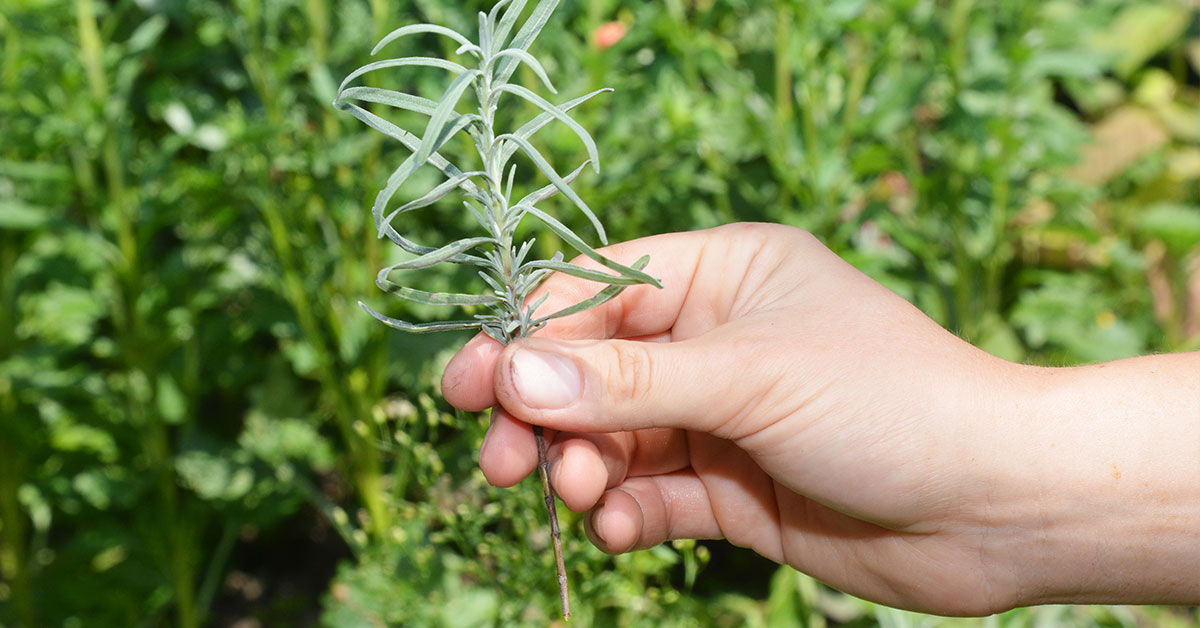

August is when lavender truly shines, and as a gardener who’s lost more than one crop to late bloomer blues, I know how thrilling it is to see those silvery‑green spikes bursting with fragrant flowers! This is the month when your lavender (native to the Mediterranean region and generally not invasive) has reached peak bloom, offering the fullest scent and most vibrant color. Whether you grow Lavandula angustifolia (English lavender) or Lavandula stoechas (French lavender), harvesting now ensures you capture aromatic oils before the plant focuses its energy on seed production.
Gathering lavender in August also gives the plant time to recover and regenerate its woody base before autumn. I remember one year I waited until September and ended up with brittle stems and fewer blooms the following spring—such a bummer! This guide will walk you through eight essential steps, from harvesting techniques to drying methods, and even how to support the busy bees and other beneficial insects that love lavender’s nectar and use its hollow stems for nesting.
Leave Plenty of Blooms for Nesting Bees
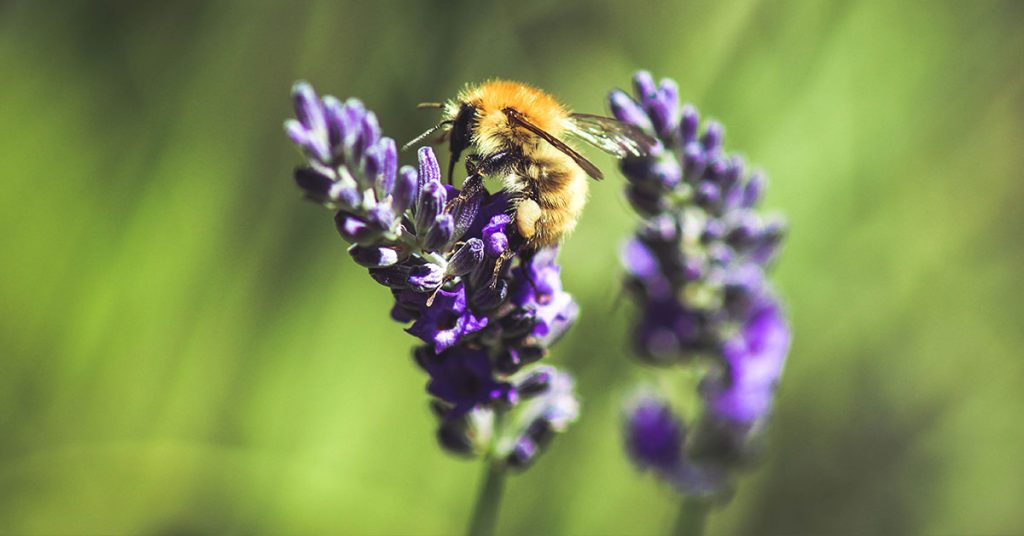
Lavender’s dense flower spikes are a magnet for honeybees and native bumblebees, which often seek hollow stem cavities to build their nests. When you harvest, aim to cut no more than two‑thirds of each stem to leave blooms for these pollinators. One of my favorite plants for attracting orchard mason bees, lavender also provides critical late‑summer forage when other flowers are fading!
By preserving some flowers, you’re not only supporting the bees but also ensuring seed heads form naturally, which can help new plants establish if you allow a few to self‑seed. This gentle approach protects ground‑nesting bees that dig tunnels near the base of lavender clumps. After cutting, leave a ring of bare soil or light mulch around the plants to maintain nesting sites.
Harvest at the Right Time of Day
Morning is prime harvesting time! Cut your lavender stems after the dew has dried—typically late morning—when the essential oils are most concentrated in the flower heads. I once harvested too early on a damp morning and noticed my sachets lacked that signature lavender punch—lesson learned!
Avoid midday sun, which can drive oils back into the foliage, and skip evening harvests when moisture levels rise again. Target bright, dry hours for crisp stems and potent fragrance. Not only will your bundles smell sublime, but the drier conditions help prevent mold during the crucial drying phase.
Use Clean, Sharp Shears
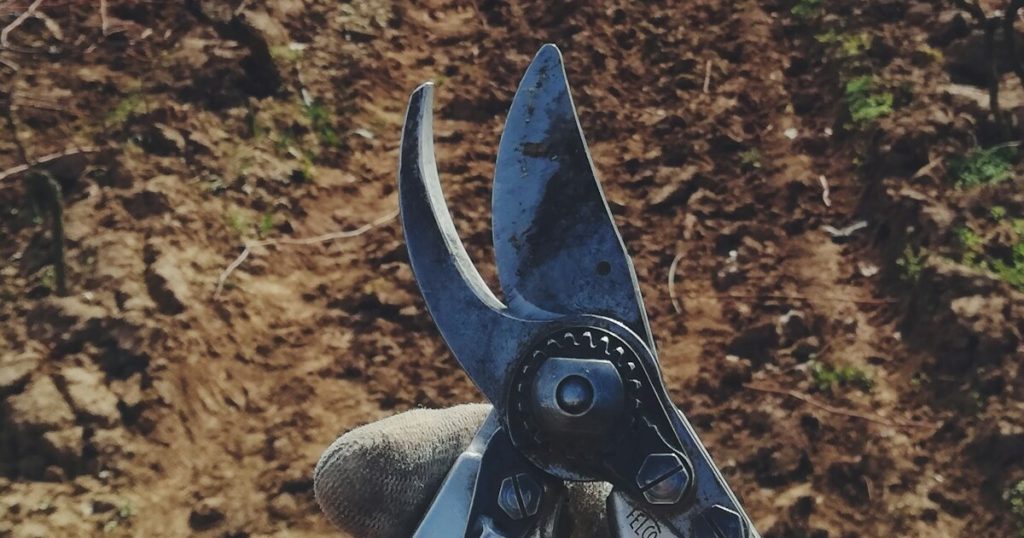
A clean cut means healthier plants. Dull or dirty shears can bruise stems, inviting fungal pathogens that compromise future blooms. I remember one summer when I neglected to sterilize my tools, and my lavender ended up with stubborn black spots—so disappointing!
Before you begin, wipe your blades with rubbing alcohol or a bleach solution to eliminate lingering spores. Sharp shears make a smooth, angled cut just above a pair of leaves or a branching node, promoting vigorous regrowth. Good pruning hygiene now pays off in lush, healthy lavender clumps next year!
Select Stems at Peak Flowering
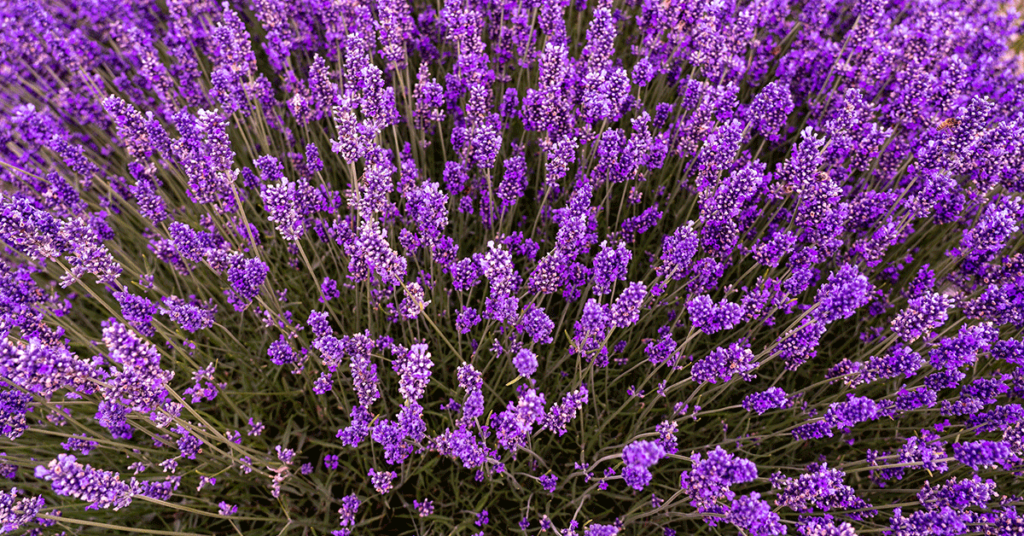
Lavender blooms in succession, so look for stems where about half the florets have opened—this is when the color is vivid and oil content is highest. I love harvesting these half‑open spikes because they dry evenly and retain their hue beautifully!
Resist the urge to grab every flowering stem; leave the very earliest and latest blooms on the plant to extend forage for pollinators and guarantee a second flush in late summer. This selective harvest approach balances your need for fragrant bundles with the plant’s long‑term vitality.
Master Drying Techniques for Maximum Scent
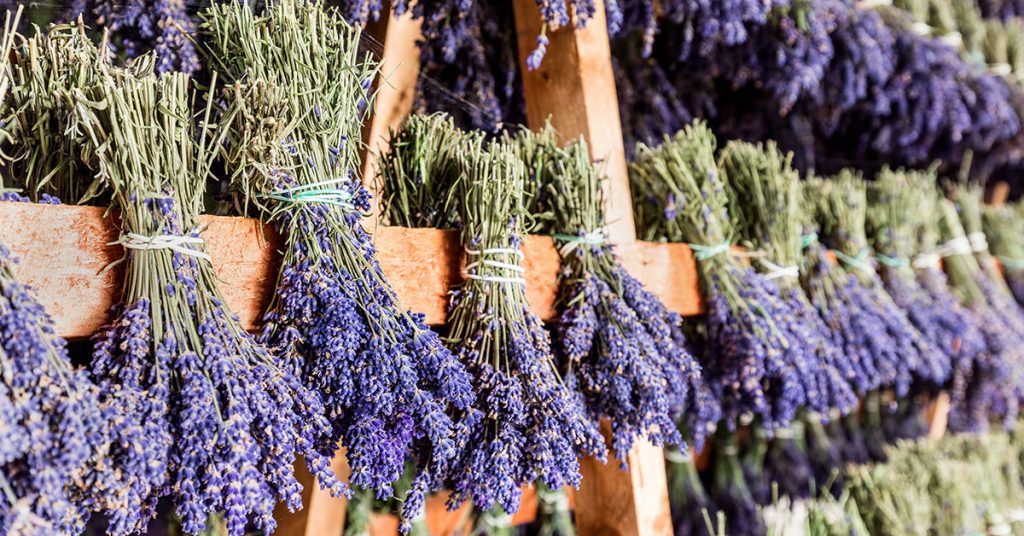
After cutting, gently strip lower leaves and tie stems into small bundles of eight to ten. Hang them upside down in a warm, dark, and well‑ventilated space—like an airy attic corner. I once tried drying lavender in direct sunlight and ended up with bleached petals and weak aroma—never again!
Proper hanging prevents mold and preserves essential oils. Give each bundle space to breathe, and after two to three weeks, test a few blooms by crushing them lightly: the stronger the aroma, the more successful your drying. Store in airtight containers away from light to lock in that heady scent.
Prune Wisely for Next Year’s Blooms
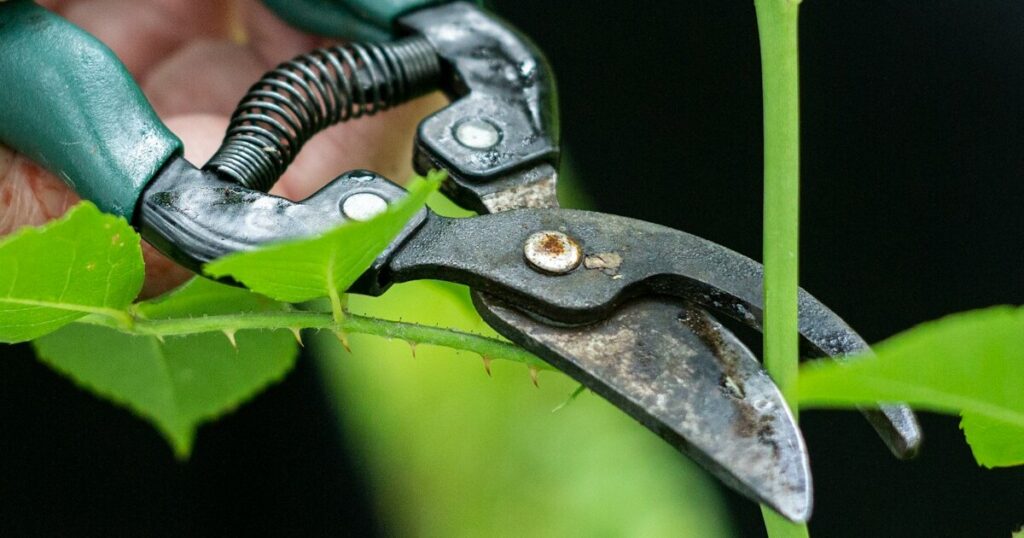
Once your stems are harvested, it’s tempting to chop back heavily—but lavender dislikes hard pruning into old wood. After bloom, use shears to trim spent stems by about one‑third, staying above the woody base. I learned this the hard way when over‑pruning left a bare, leggy shrub that took two seasons to recover!
This light trim encourages fresh growth while preserving the plant’s structure. Removing only the soft, leafy parts prevents cutting into perennial wood that might not resprout. By September, your lavender will be neatly shaped and ready to bounce back with even more blooms next summer!
Store Your Lavender and Explore Uses
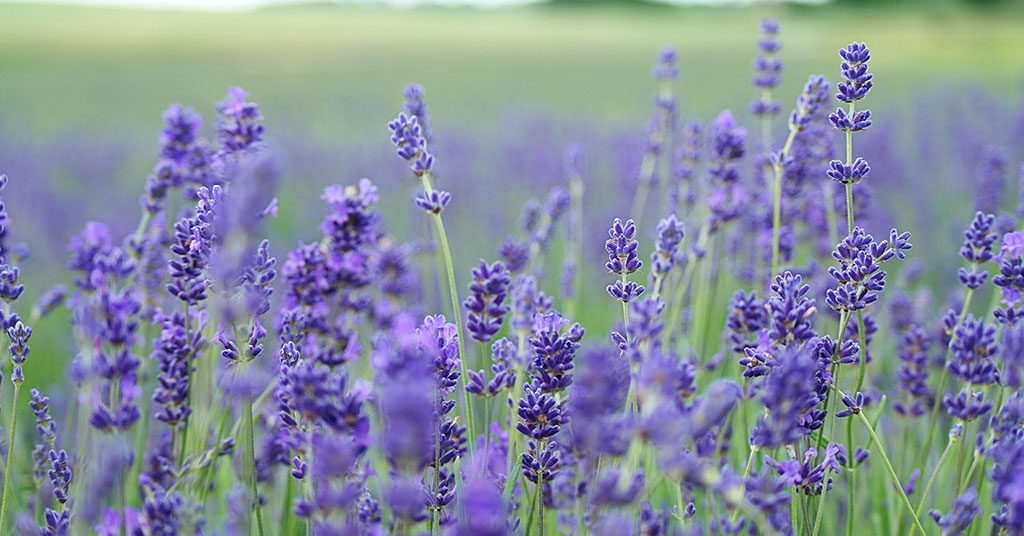
Once fully dried, snip the flower heads from stems and store them in glass jars or linen sachets. The concentrated oil makes wonderful potpourri, homemade soap, or even a gentle tea—just steep a teaspoon of buds in hot water for a calming brew. One of my go‑to gifts is lavender sugar, made by layering dried buds with granulated sugar in a jar—so delightful!
Don’t discard the stems! They’re perfect for rustic wreaths or natural air fresheners in closets. The hollow stems also make charming bee hotels when bundled together—giving cavity‑nesting bees yet another nesting opportunity. Your lavender continues to give, long after harvest!
Monitor for Pests and Diseases
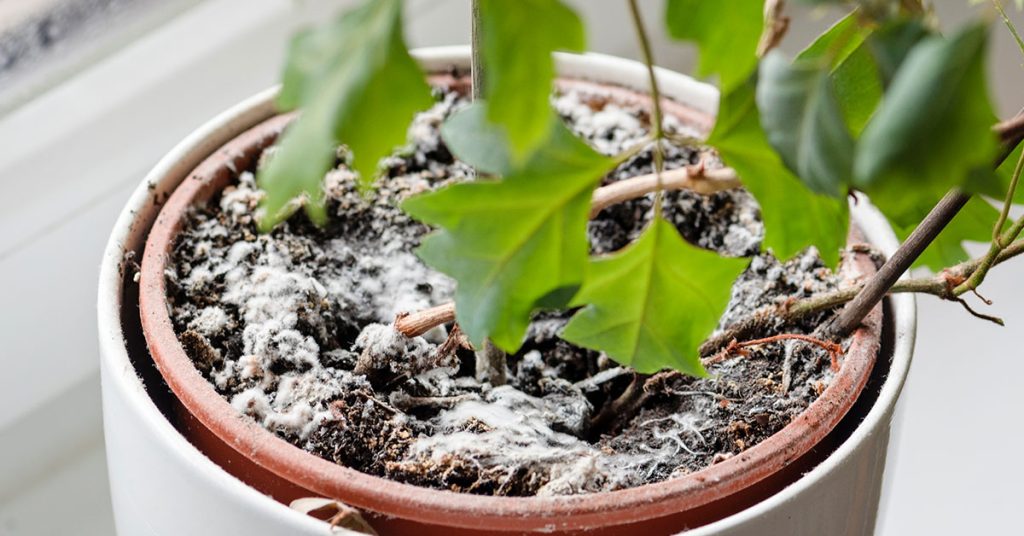
Lavender is generally pest‑resistant, but in humid conditions it can suffer root rot or fungal spots. August’s dry heat usually keeps issues at bay, but after harvesting, check for any black spots or mushy roots. I once spotted tiny aphids near the base and quickly washed them off—preventing a larger infestation!
Encourage beneficial predators by planting companion herbs like rosemary and thyme (both Mediterranean natives and non‑invasive), which share lavender’s natural pest deterrents. Their small flowers also attract parasitic wasps and ladybugs for added biological control. A healthy lavender patch means fewer worries and more fragrant rewards!