
As the sun reaches its zenith and the days stretch lazily into warm summer nights, the enchanting world of August births forth two exquisite floral gems – the Gladiolus and the Poppy. With each delicate bloom, a tapestry of profound symbolism and heartfelt meanings unfolds, revealing the hidden virtues and character traits attributed to those born under August’s luminous skies. In this article, we embark on a captivating journey to explore the captivating realm of the August birth flowers – the Gladiolus and the Poppy.
Like celestial ambassadors of this spirited month, these flowers embody an array of profound emotions, from strength and resilience to beauty and remembrance. Join us as we delve into the unique language of these blooms, unlocking the secrets of their captivating allure and discovering the rich symbolism they bestow upon the August-born individuals and the world they grace.
What are your August birth flowers?
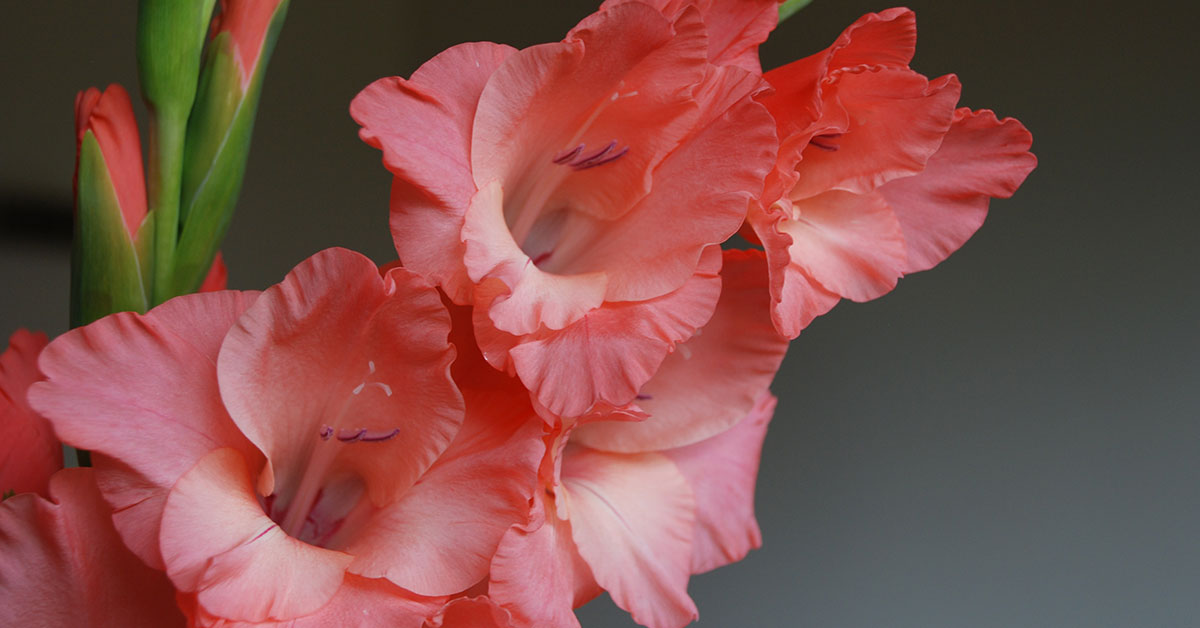
The August birth flower is the Gladiolus (Gladiolus spp.). Gladiolus is a stunning and elegant flower known for its tall, graceful spikes adorned with numerous colorful blooms. It belongs to the iris family (Iridaceae) and is native to South Africa, although it is now cultivated in various regions worldwide.
The Gladiolus comes in a wide array of colors, including red, pink, purple, yellow, orange, and white. It symbolizes sincerity, strength of character, and remembrance, making it a meaningful choice for August-born individuals and a popular flower for various occasions such as birthdays, anniversaries, and memorials.
The Poppy is another birth flower for August. Poppies are known for their vibrant colors and delicate petals. The most common varieties include the Oriental Poppy and the California Poppy. Poppies symbolize beauty, imagination, and eternal sleep. In some cultures, they are associated with remembrance and honoring those who have passed away.
Meaning behind the August birth flowers
The Gladiolus and the Poppy, as the birth flowers of August, each carry their own distinct meanings and symbolism:
Gladiolus:

- Strength of Character: The Gladiolus symbolizes strength of character, moral integrity, and determination. Its tall, sturdy spikes and vibrant blooms convey a sense of resilience and inner strength.
- Sincerity and Heartfelt Emotion: This flower is often associated with sincerity and heartfelt emotions, making it a meaningful gift to express genuine feelings and affection.
Poppy:
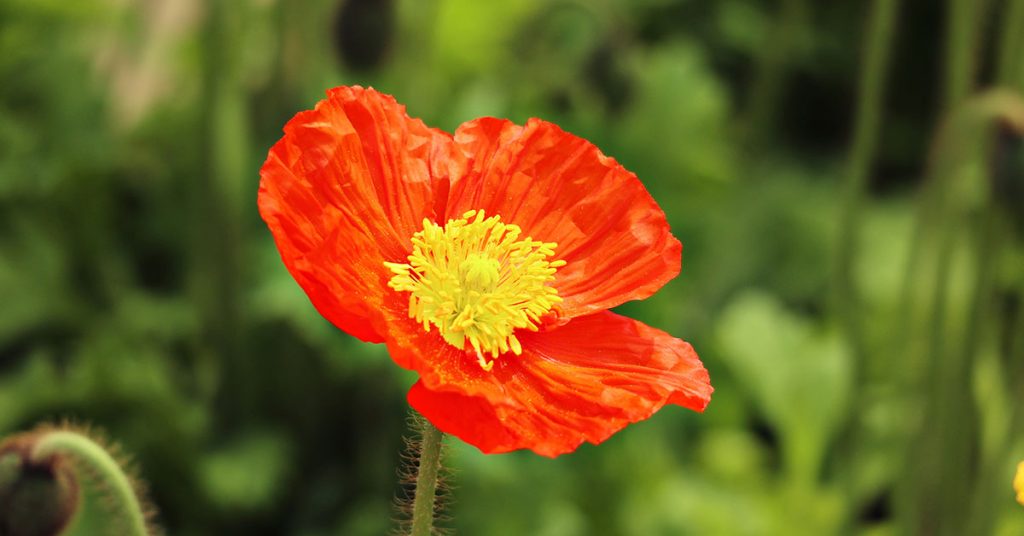
- Beauty and Imagination: Poppies are admired for their beauty and the mesmerizing array of colors they display. They represent creativity, imagination, and the ability to see beauty in the world around us.
- Eternal Sleep and Remembrance: In some cultures, poppies are associated with eternal sleep and remembrance. They are used as symbols of honoring and remembering those who have passed away, especially in the context of war and sacrifices.
Both the Gladiolus and the Poppy come together to create a rich tapestry of symbolism for those born in August. The Gladiolus encourages them to stand strong in the face of challenges, embracing sincerity and authenticity in their actions. The Poppy, on the other hand, reminds them to appreciate the beauty in life and the importance of remembrance and tribute to those who came before them. These birth flowers serve as meaningful reminders of the unique qualities and virtues associated with August-born individuals.
How to grow the August birth flowers in your garden
Growing the August birth flowers, the Gladiolus and the Poppy, can bring beauty and meaning to your garden. Here are some tips on how to grow each of them:
Gladiolus (Gladiolus spp.):
- Planting Time: Gladiolus bulbs are typically planted in the spring after the danger of frost has passed. You can also plant them in succession throughout the spring and early summer for continuous blooming.
- Soil: Gladiolus prefer well-draining soil with good fertility. Loosen the soil to a depth of about 8 inches and mix in compost or well-rotted manure for added nutrients.
- Planting Depth: Plant gladiolus corms (bulbs) about 4 to 6 inches deep with the pointed end facing up. Space the corms about 6 to 8 inches apart.
- Watering: Keep the soil consistently moist but not waterlogged during the growing season. Gladiolus requires regular watering, especially during dry spells.
- Support: As gladiolus grows tall, provide support by staking or using a plant cage to prevent the stems from bending or breaking.
- Deadheading: After the gladiolus flowers fade, remove the spent blooms to encourage continued flowering.
- Overwintering: In colder climates, dig up the gladiolus corms after the first frost in the fall. Store them in a cool, dry place for the winter and replant them in the spring.
Poppy (Papaver):
- Planting Time: Poppy seeds can be sown directly in the garden in early spring or late fall. Choose a location with full sun to partial shade.
- Soil: Poppies prefer well-draining soil with good fertility. They can tolerate poor soil but prefer a slightly alkaline pH.
- Sowing Seeds: Scatter the poppy seeds on the soil surface and lightly press them into the soil. Poppies need light to germinate, so avoid covering the seeds too deeply.
- Watering: Keep the soil evenly moist until the seeds germinate. Once established, poppies are relatively drought-tolerant.
- Thinning: If you sowed the seeds densely, thin out the seedlings when they are a few inches tall, allowing enough space for the plants to grow.
- Deadheading: Remove faded flowers to encourage prolonged blooming and prevent self-seeding.
- Naturalization: If you allow some poppy flowers to go to seed and self-sow, they may naturalize and reappear in your garden year after year.
By following these guidelines and providing appropriate care, you can grow the Gladiolus and the Poppy to celebrate August’s vibrant essence in your garden. The delightful blooms and meaningful symbolism of these birth flowers will surely add charm and significance to your outdoor space.
Other symbolism of the August birth flowers
In addition to their association with August birthdays and the meanings mentioned earlier, both the Gladiolus and the Poppy hold other symbolic significance:
Gladiolus:
- Infatuation and Love at First Sight: In the language of flowers, gladiolus can represent love at first sight and infatuation. They are often given as a gesture of admiration and strong, initial attraction.
- Victory and Triumph: The name “gladiolus” is derived from the Latin word “gladius,” which means “sword.” In ancient times, gladiators carried gladiolus blooms into battle as a symbol of victory, making it a flower associated with triumph and success.
- Strength and Resilience: As a tall and robust flower, the gladiolus represents strength, resilience, and moral integrity. It symbolizes the courage to face challenges and overcome obstacles.
Poppies:
- Sleep and Restful Oblivion: Poppies have been historically associated with sleep and restful oblivion. The opium poppy (Papaver somniferum) is known for its narcotic properties, and its connection to sleep has led to poppies being a symbol of peaceful slumber.
- Hope and Remembrance: Poppies are often associated with hope and remembrance, particularly in relation to those who have lost their lives in wars and conflicts. The red poppy has become a symbol of remembrance for fallen soldiers, inspired by the famous World War I poem “In Flanders Fields.”
- Beauty in Transience: Poppies have a relatively short blooming period, and their delicate petals can be easily blown away by the wind. As a result, they are often seen as a symbol of beauty in transience and the fleeting nature of life.
- Imagination and Dreams: Poppies’ association with sleep and dreams has also led to their symbolic connection with imagination and the realm of dreams. They are seen as a reminder of the power of imagination and creative expression.
The gladiolus and poppies, with their multifaceted symbolism, hold a special place in human culture and history. These flowers have inspired artists, poets, and storytellers throughout the ages, leaving a lasting impression on the collective imagination of humanity. Whether used to convey sentiments of love and admiration, celebrate victories, honor the fallen, or evoke the ephemeral beauty of life, the gladiolus and poppies continue to be cherished and revered for their profound and diverse symbolism.