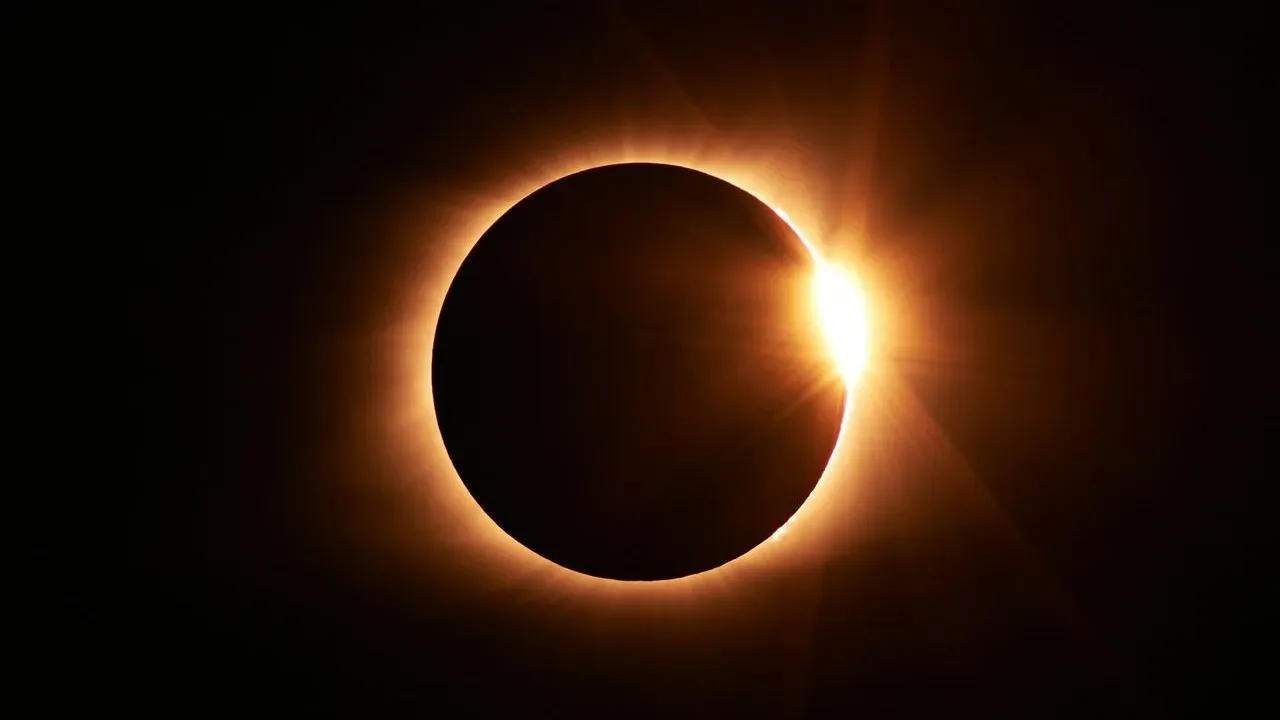

Summer nights often bring quiet moments under the stars, yet this year one evening stands apart. On August 12 a partial solar eclipse and the Perseid meteor shower will appear together over portions of the United States. The overlap creates a rare chance for observers to witness two distinct sky events in a single night.
Two Celestial Events on the Same Date
The partial solar eclipse will unfold during daylight hours while the Perseid meteor shower reaches its usual activity level after dark. Both phenomena are scheduled for the same calendar date, giving viewers in affected regions an extended window to look upward. The combination is uncommon and draws attention from casual skywatchers as well as dedicated observers.
Because the eclipse occurs in the afternoon or early evening depending on location, many people will notice the changing light before turning their attention to the meteors later. The timing allows the two displays to bookend the day without overlapping directly.
Where Americans Can Watch
Visibility stretches across parts of the country rather than the entire nation. Observers in the affected zones will see the Moon take a bite out of the Sun during the eclipse phase. Later the same night, meteors from the Perseid stream should appear in the same general regions once darkness falls.
Those outside the primary viewing areas may still catch portions of the meteor shower, though the eclipse itself will remain limited to specific stretches of the United States. Clear skies will be essential for the best experience in every location.
A Shared Backyard Opportunity
Many people will step outside their own homes or nearby parks rather than travel to special viewing sites. The events require no special equipment beyond safe solar filters for the eclipse and patience for the meteors. Families and friends can share the experience without leaving familiar surroundings.
The coincidence invites a simple form of public engagement: looking up at the right moments on a single August evening. Weather permitting, the night offers a low-cost way to connect with the sky above everyday landscapes.
Looking Ahead to the Evening
August 12 now carries added interest for anyone who follows seasonal sky events. The dual appearance serves as a reminder that familiar constellations and annual showers can still surprise when paired with other phenomena. Viewers who mark the date on their calendars will have a clear target for their next outdoor evening.
Whether the sky delivers dramatic streaks or a subtle dimming of sunlight, the alignment itself marks a memorable point in the summer calendar. Observers across the visible regions can anticipate a night that blends two classic celestial sights into one.
AI Disclaimer: This article was created with the assistance of AI tools and reviewed by a human editor.