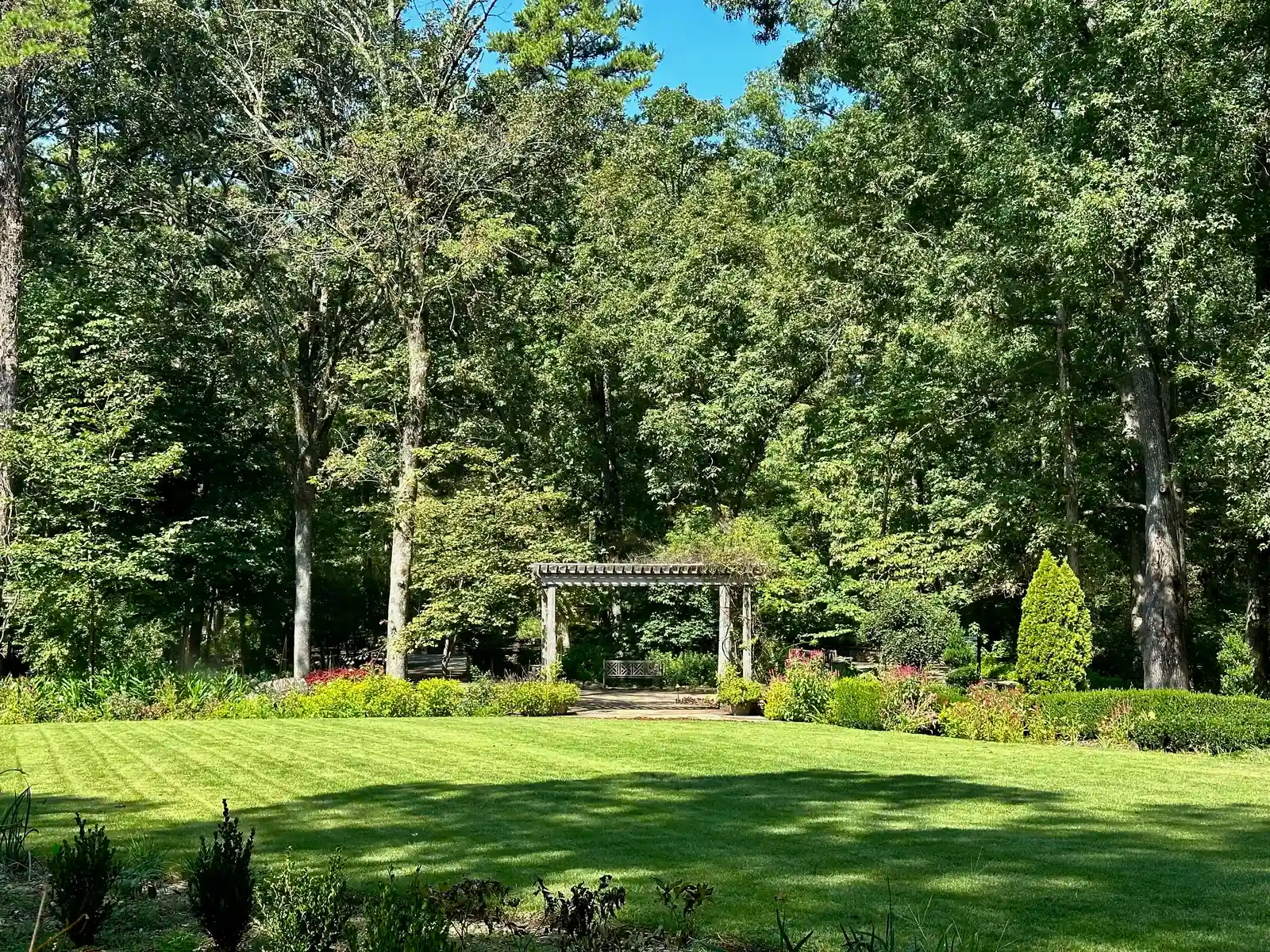

In the heart of Atlanta, a gardener has transformed a shaded property into a thriving woodland retreat. Layers of foliage and seasonal blooms create a sense of depth and calm that feels both natural and intentional. The result highlights how thoughtful plant pairings can turn an ordinary backyard into a living showcase of southeastern character.
Why Woodland Gardens Suit the Southeast
The region’s humid climate and dappled light make woodland-style planting a natural fit. Tall canopy trees filter sunlight, allowing shade-loving species to flourish beneath them. This approach reduces the need for constant irrigation while supporting local wildlife throughout the year.
Many Atlanta gardeners appreciate how these designs echo the surrounding Piedmont forests. They blend cultivated beds with existing trees and understory growth. The effect is a garden that feels rooted in place rather than imposed upon it.
Key Plant Combinations That Define the Space
Successful pairings often start with contrasting leaf textures. Broad, bold foliage next to delicate ferns creates visual rhythm without relying on flowers alone. Evergreen shrubs provide year-round structure while deciduous plants add movement and seasonal color.
Color echoes and contrasts further unify the scene. Soft greens and silvers play against deeper burgundies and chartreuse accents. These combinations keep the garden interesting even when blooms are sparse, a common reality in shaded southeastern settings.
Timing also matters. Early spring ephemerals give way to summer foliage interest, followed by fall berries and seed heads. Such succession ensures the garden remains engaging across multiple seasons.
Practical Lessons for Home Gardeners
Start by assessing existing shade and soil moisture before selecting plants. Native and well-adapted species tend to establish more reliably in Atlanta’s variable conditions. Grouping plants with similar needs simplifies long-term care and reduces stress on the landscape.
Layering heights and densities helps mimic natural woodland edges. Low ground covers knit the design together while mid-height shrubs and taller accents create vertical interest. Regular observation allows adjustments as plants mature and light patterns shift.
Looking Ahead in the Garden’s Evolution
Woodland gardens reward patience as combinations settle and reveal their full character. Continued refinement of plant relationships can deepen both beauty and ecological value over time. For those in the Southeast, these spaces offer a quiet yet powerful way to connect with the region’s natural rhythms.
AI Disclaimer: This article was created with the assistance of AI tools and reviewed by a human editor.