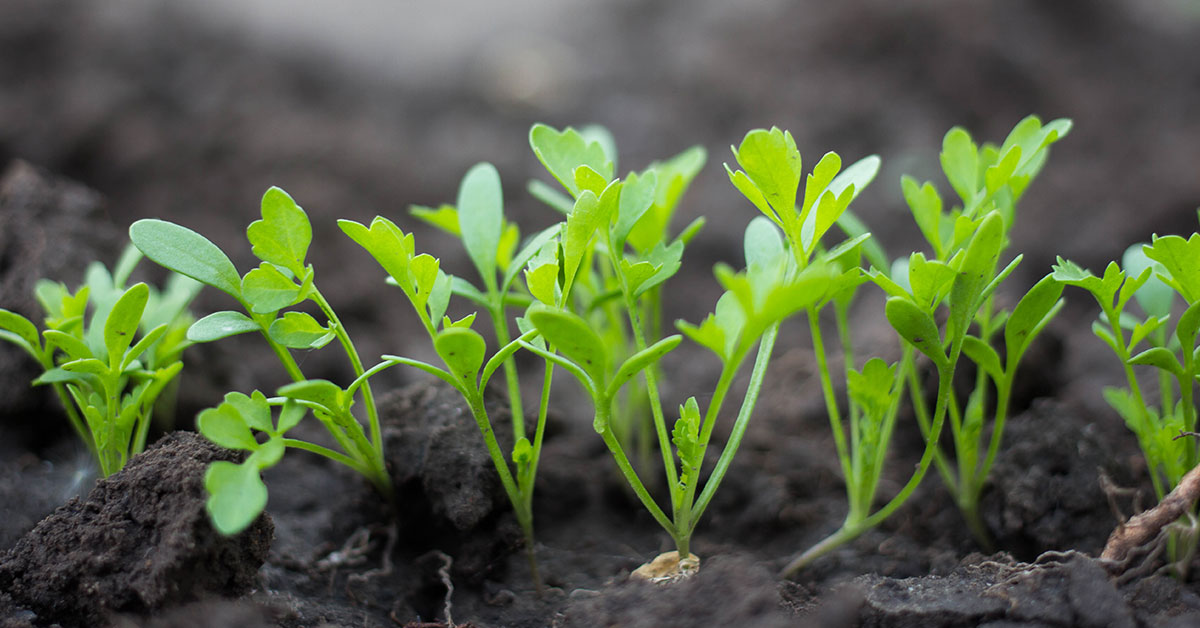

Astro Salad Arugula, also known as rocket or roquette, is a member of the Brassicaceae family and has been cultivated for centuries for its peppery taste and culinary uses.
With its delicate, deeply lobed leaves and vibrant green color, this arugula variety is not only visually appealing but also packed with vitamins and minerals. Whether you’re a seasoned gardener or a beginner looking to expand your edible plant collection, Astro Salad Arugula is sure to be a delightful addition to your garden and your plate.
In this article, we will explore the origins, cultivation tips, and delicious ways to enjoy this extraordinary greens variety. So let’s dive in and discover the wonders of Astro Salad Arugula!
What is a Astro Salad Arugula?
Astro Salad Arugula, also known as rocket or roquette, is a popular salad green that belongs to the Brassicaceae family. It is known for its peppery and slightly spicy flavor, which adds a zesty kick to salads and other dishes. This particular variety, Astro Salad Arugula, is highly favored by gardeners and cooks alike for its tender leaves and vibrant green color. It has a compact growth habit, making it suitable for container gardening as well as traditional garden beds.
Astro Salad Arugula is a fast-growing annual plant that reaches maturity in about 30 to 40 days. Its deeply lobed, elongated leaves form a rosette shape, which can grow up to 6-8 inches in height. The leaves have a distinct texture, being slightly toothed or jagged along the edges. When it comes to cultivation, Astro Salad Arugula prefers cool temperatures and thrives in full sun to partial shade. It is a versatile plant that can adapt to different soil types, but it does best in well-draining, fertile soil with a pH range of 6.0 to 7.0.
To grow Astro Salad Arugula, you can either start it from seeds or purchase young seedlings from a nursery. Sow the seeds or transplant the seedlings into the desired location, ensuring a spacing of 6 to 8 inches between plants. Regular watering is essential to keep the soil moist, but be mindful not to overwater as it can lead to root rot. Harvesting can begin when the leaves are about 2 to 3 inches long. You can either pluck individual leaves or cut the entire rosette near the base.
Regular harvesting encourages new growth and prevents the plant from bolting, which means producing flowers and becoming bitter. Astro Salad Arugula is not only a delightful addition to salads, but it can also be used in sandwiches, pesto, pasta dishes, and as a flavorful garnish. Its unique taste and nutritional value, packed with vitamins A, C, and K, make it a nutritious and flavorful choice for home gardeners and culinary enthusiasts.
What does Astro Salad Arugula taste like?
Astro Salad Arugula, also known as rocket or roquette, has a unique and distinct taste profile. It is known for its peppery and slightly bitter flavor, which sets it apart from other salad greens. The flavor can be described as both sharp and tangy, with a hint of nuttiness.
When you take a bite of Astro Salad Arugula, you’ll immediately notice a pleasant spiciness that awakens your taste buds. This peppery kick adds a refreshing and zesty element to salads and other dishes. The bitterness of the arugula leaves complements the spiciness, adding depth and complexity to its taste.
The nutty undertones of Astro Salad Arugula provide a subtle earthy flavor, enhancing the overall taste experience. This adds a pleasant balance to the sharpness and bitterness. The combination of these flavors creates a unique and refreshing taste that is highly sought after by many.
Due to its bold flavor, Astro Salad Arugula can be used as the primary ingredient in salads or as a complementary addition to various dishes. Its versatility allows it to pair well with various ingredients, including fruits, cheeses, nuts, and even meats.
Overall, Astro Salad Arugula offers a bold and vibrant taste that adds a delightful punch to your dishes. Its unique combination of spiciness, bitterness, and nuttiness makes it a favorite among those who enjoy exploring bolder flavors in their culinary creations.
How to start from seed
Starting Astro Salad Arugula is a relatively simple process. Here’s a step-by-step guide to help you get started:
- Choose the right time: Arugula is a cool-season crop, so it’s best to start sowing seeds in early spring or late summer. This will ensure that the plants grow in moderate temperatures and aren’t exposed to extreme heat or frost.
- Prepare the soil: Arugula prefers well-draining soil that is rich in organic matter. Before planting, loosen the soil using a garden fork or tiller. Remove any weeds or rocks and incorporate compost or well-rotted manure to improve fertility.
- Sow the seeds: Arugula can be directly sown in the garden or started indoors and transplanted later. If starting indoors, sow the seeds in seed trays or small pots filled with seed-starting mix. Plant the seeds about 1/4 to 1/2 inch deep and cover them lightly with soil. Water gently to ensure the soil is moist.
- Provide the right conditions: Arugula prefers full sun but can tolerate some shade. Ensure that the plants receive at least 4-6 hours of direct sunlight per day. Keep the soil consistently moist but not waterlogged, as arugula tends to bolt (go to seed) quickly in dry conditions.
- Thin out the seedlings: When the seedlings have grown a few inches tall and developed a couple of true leaves, thin them out to allow proper spacing. Space the plants about 6-8 inches apart to give them enough room to grow and prevent overcrowding.
- Fertilize as needed: Arugula doesn’t require heavy fertilization, especially if you’ve prepared the soil with compost or manure. However, you can apply a balanced organic fertilizer once or twice during the growing season to provide additional nutrients.
- Harvesting: Astro Salad Arugula is known for its tender and flavorful leaves. You can start harvesting the leaves when they reach 2-3 inches in length. Simply snip off the outer leaves, leaving the inner ones to continue growing. Regular harvesting will encourage the plants to produce more leaves.
- Pests and diseases: Arugula is generally resistant to most pests and diseases. However, keep an eye out for common garden pests like aphids and flea beetles. If you notice any infestations, you can use organic insecticidal soaps or neem oil to control them.
Remember to always follow the specific instructions provided on the seed packet or seedling tray, as different varieties of Astro Salad Arugula may have slightly different requirements. Enjoy the process and the delicious harvest of fresh arugula!
Planting and growing Astro Salad Arugula
Here are the steps for planting and growing Astro Salad Arugula:
- Choose a suitable location: Arugula prefers a sunny spot in your garden but can tolerate partial shade. Ensure the area has well-drained soil.
- Prepare the soil: Remove any weeds or debris from the planting area. Loosen the soil using a garden fork or tiller and add compost or well-rotted manure to improve fertility and drainage.
- Sow the seeds: Scatter the Astro Salad Arugula seeds thinly over the prepared soil, about ¼ inch deep. Space the seeds about 1 inch apart, and leave approximately 12 inches between rows.
- Watering: Gently water the seeds after sowing to ensure the soil is moist but not waterlogged. Maintain consistent moisture throughout the growing period, especially during dry spells. Avoid overwatering, as arugula prefers slightly drier conditions.
- Thin the seedlings: Once the seedlings are a few inches tall, thin them out to provide enough space for healthy growth. Space the seedlings about 4-6 inches apart to allow adequate air circulation and prevent overcrowding.
- Fertilizing: Arugula generally doesn’t require heavy fertilization. However, you can side-dress the plants with a balanced organic fertilizer or apply compost tea every few weeks to provide essential nutrients.
- Harvesting: Astro Salad Arugula is ready to harvest in about 30-40 days after sowing. Pick the outer leaves first, starting from the outside of the plant and working your way inwards. This allows the inner leaves to continue growing. Alternatively, you can harvest the entire plant by cutting it off at ground level.
- Succession planting: To enjoy a continuous supply of fresh arugula, consider succession planting. Sow new seeds every two weeks, ensuring a steady harvest throughout the growing season.
- Pests and diseases: Arugula is relatively resistant to pests and diseases. However, keep an eye out for common issues like flea beetles or aphids. If necessary, use organic pest control methods or insecticidal soap to manage infestations.
- Cold protection: Arugula can tolerate cool temperatures, but prolonged exposure to frost may damage the plants. Consider covering them with row covers or cloths during cold snaps to protect them.
By following these steps, you should be able to successfully plant and grow Astro Salad Arugula in your garden. Enjoy the fresh and peppery leaves in your salads and other culinary creations!
When to harvest
The best time to harvest Astro Salad Arugula is when the leaves are young and tender, typically around 25 to 30 days after sowing the seeds. You can start harvesting the outer leaves when they reach around 3 to 4 inches in length. This allows the inner leaves to continue growing for future harvests. Harvesting early in the morning, when the leaves are crisp and before the heat of the day, is ideal for maximum flavor and freshness.