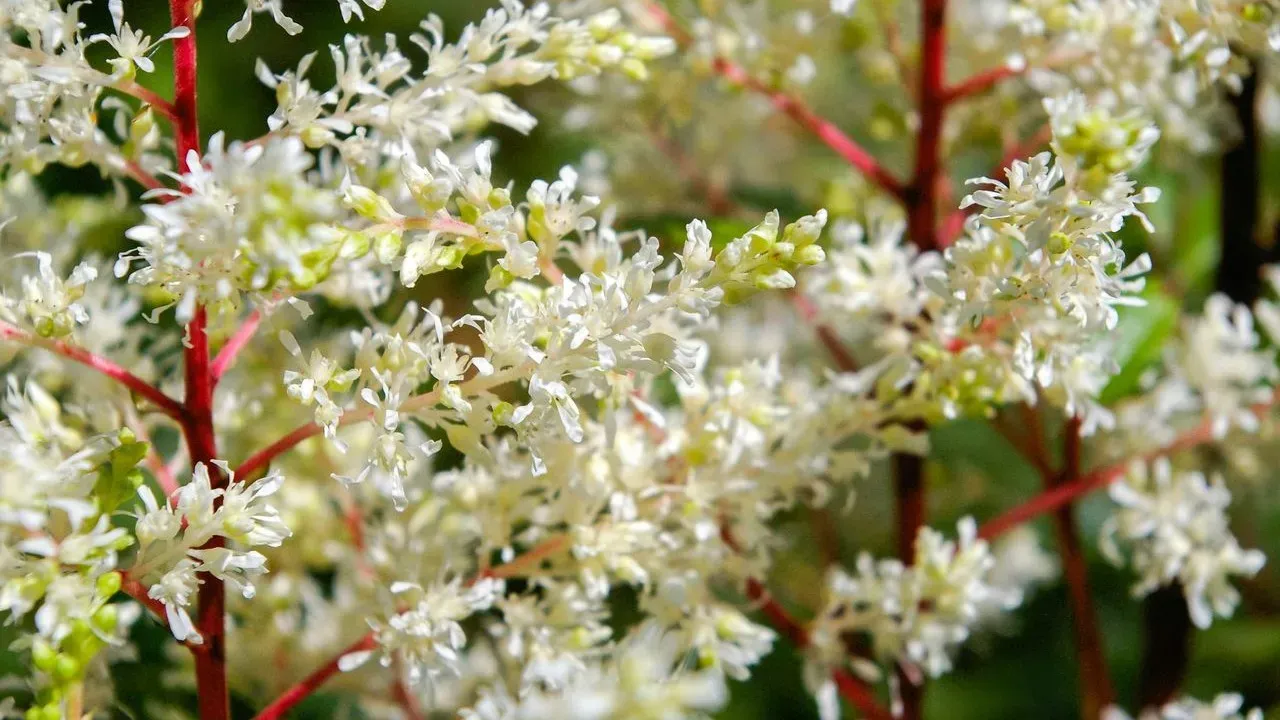

Many gardeners face the same frustration each season: shady areas that remain green but lack the vibrant blooms seen in sunnier beds. Astilbe stands out as a practical perennial that thrives in those conditions while offering plumes in a range of hues. Its ability to perform reliably from late spring into late summer gives landscapers a tool for extending seasonal interest without constant replanting.
Why Shade Gardens Benefit from Targeted Plant Choices
Shade presents distinct challenges for flowering plants, often limiting options to foliage alone. Astilbe addresses this gap by producing feathery flower spikes that add vertical texture and soft color even under tree cover or along north-facing borders. Gardeners who plant it in groups notice how the plumes catch light and create movement on still days.
The plant’s tolerance for lower light levels reduces the need for supplemental watering or soil amendments that sun-loving species often demand. This reliability makes it suitable for established landscapes where full sun is unavailable. Over time, consistent performance in these spots can lower maintenance costs and improve overall garden cohesion.
Key Traits That Set Astilbe Apart
Astilbe varieties differ in height, spread, and flowering window, allowing designers to match plants to specific bed dimensions and desired bloom sequences. Some reach only a foot tall while others grow closer to three feet, providing options for both foreground edging and mid-border accents. Bloom periods that stretch across several months help maintain visual continuity without relying on a single peak display.
Color options span soft pastels to deeper tones, giving gardeners flexibility when coordinating with existing foliage or hardscape elements. The plumes hold their shape well after cutting, which extends their usefulness beyond the garden bed itself. Because the plants form dense clumps, they also help suppress weeds in shaded zones where other ground covers may thin out.
Practical Steps for Successful Establishment
Site preparation begins with ensuring consistent moisture, as astilbe prefers soil that does not dry out completely during summer heat. Amending the planting area with organic matter improves water retention and supports root development in the first year. Spacing plants according to their mature width prevents overcrowding while still allowing the visual impact of grouped plantings.
Dividing clumps every few seasons keeps growth vigorous and prevents center die-out. Fertilizer applications remain modest; a light feeding in early spring is usually sufficient. These steps align with the needs of most shade perennials and fit into routine garden maintenance schedules.
Key considerations for shade plantings include matching bloom timing to garden use patterns and selecting sizes that complement surrounding vegetation.
Long-Term Value in Landscape Planning
Once established, astilbe contributes to year-round structure through its attractive foliage even after flowering ends. The plants integrate well with ferns, hostas, and other shade-tolerant companions, creating layered displays that evolve with the seasons. Gardeners who incorporate multiple varieties can achieve staggered color without introducing high-maintenance annuals.
Over successive years, the cumulative effect is a more resilient shade border that requires fewer interventions. This approach supports both aesthetic goals and practical resource management in residential and public landscapes alike.
AI Disclaimer: This article was created with the assistance of AI tools and reviewed by a human editor.