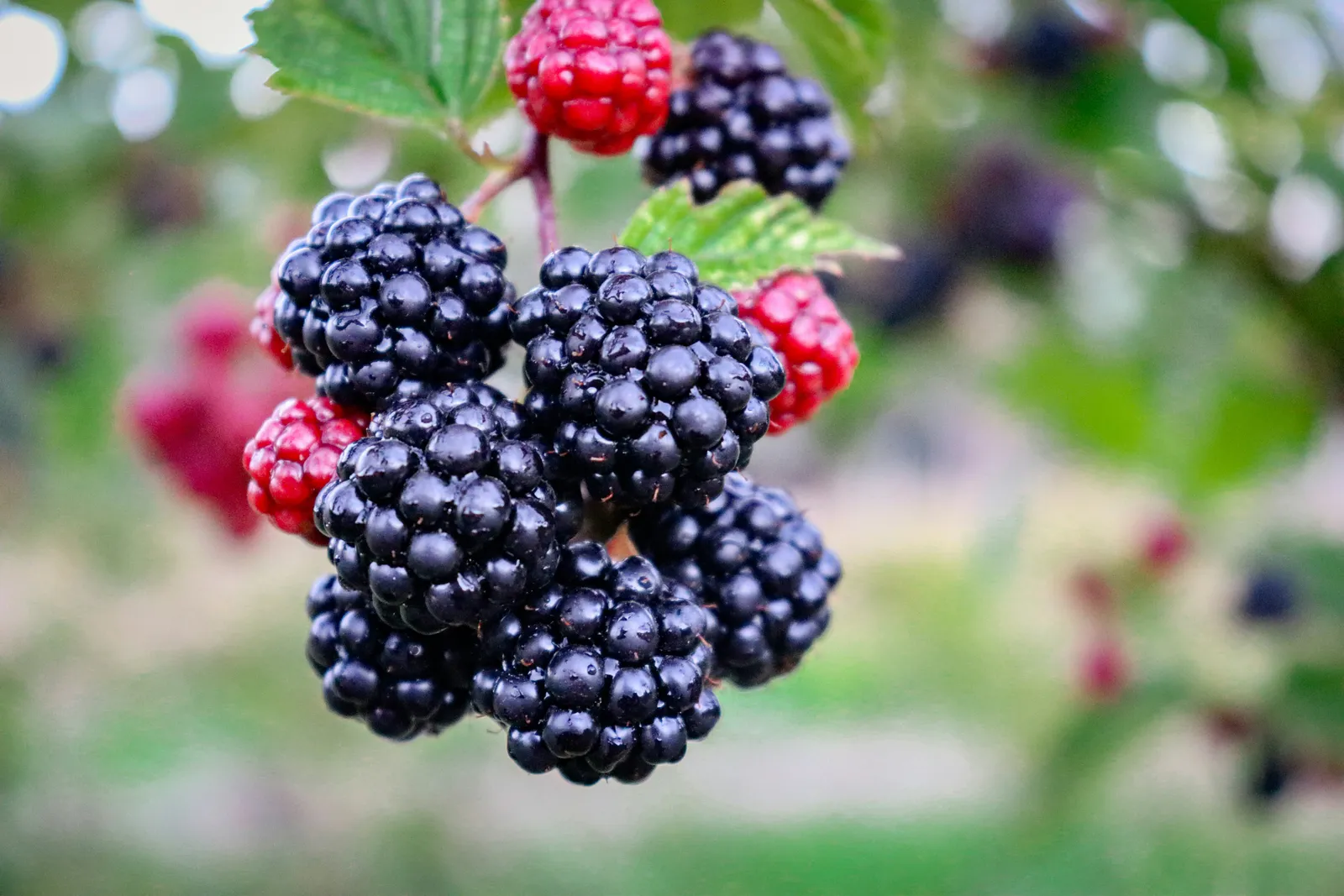

Across North America, gardeners continue to seek plants that offer both practical value and visual appeal without demanding constant attention. Aronia, commonly known as chokeberry, fits that description as a hardy native shrub that brings reliable performance across seasons. Its white spring blooms give way to dark berries prized for their antioxidant content, while the foliage turns a vivid red in autumn. This combination has drawn renewed interest among those looking for resilient additions to home landscapes.
Why This Shrub Remains Underrated
Many gardeners focus on showier exotics or high-maintenance varieties, yet aronia quietly excels in its native range. Hardy to Zone 3, the shrub tolerates cold winters and adapts to a range of conditions typical of North American gardens. Its understated presence in spring and summer often leads people to overlook its later contributions until the berries ripen and the leaves ignite with color.
The plant’s resilience stems from its origins as a wild species across much of the continent. This background allows it to thrive where other shrubs might struggle, providing consistent results year after year. As interest grows in native plants that support local ecosystems, aronia stands ready to fill that role with minimal intervention.
Seasonal Beauty That Extends Beyond Summer
White flowers appear in spring, offering a clean, bright display against emerging green leaves. These blooms attract pollinators and mark the start of the shrub’s productive cycle. By late summer or early fall, clusters of berries develop, shifting the focus from flowers to fruit.
The real transformation occurs with the first frosts, when foliage shifts to brilliant red tones that stand out against evergreens or bare branches. This extended display gives aronia a presence from early spring through late autumn, creating continuity in mixed borders or naturalized plantings. Few shrubs match this progression with such reliability in colder climates.
The Antioxidant Strength of Its Berries
Aronia berries rank among the highest in antioxidant compounds found in common fruits. This quality has positioned the shrub as a source of nutrient-dense produce for those who process their own harvests. The fresh berries carry a distinct astringency that makes them less appealing for direct eating, yet this same trait concentrates their beneficial properties.
Home cooks and preservers value the fruit for its versatility once transformed. The berries lend themselves well to applications where their tartness can be balanced, resulting in products that retain much of their original nutritional profile. This makes aronia a practical choice for gardeners interested in both ornamental and edible landscapes.
Practical Uses for the Harvest
Once picked, the berries move quickly from the garden into the kitchen. Their astringent nature when raw gives way to richer flavors after cooking or fermenting. Common preparations include:
- Homemade jams that capture the fruit’s deep color and concentrated taste.
- Fresh-pressed juices suitable for daily use or freezing.
- Wines and cordials that develop complexity over time.
- Tinctures and extracts for longer-term storage and medicinal traditions.
These options allow a single shrub to contribute across multiple seasons of use. Gardeners who enjoy experimenting with preserves often find aronia a rewarding addition precisely because its flavor profile rewards thoughtful preparation.
Looking Ahead With Native Plant Choices
Aronia represents a quiet shift toward plants that deliver on multiple fronts without requiring extensive resources. Its native status, antioxidant-rich fruit, and striking fall display align with current preferences for sustainable and functional gardens. As more people explore these qualities, the shrub may move from overlooked status to a more common sight in residential landscapes.
Its story underscores how traditional native species can meet modern needs for both beauty and utility. For those planning new plantings, aronia offers a measured path toward greater diversity and self-sufficiency in the garden.
AI Disclaimer: This article was created with the assistance of AI tools and reviewed by a human editor.
AI Disclaimer: This article was created with the assistance of AI tools and reviewed by a human editor.