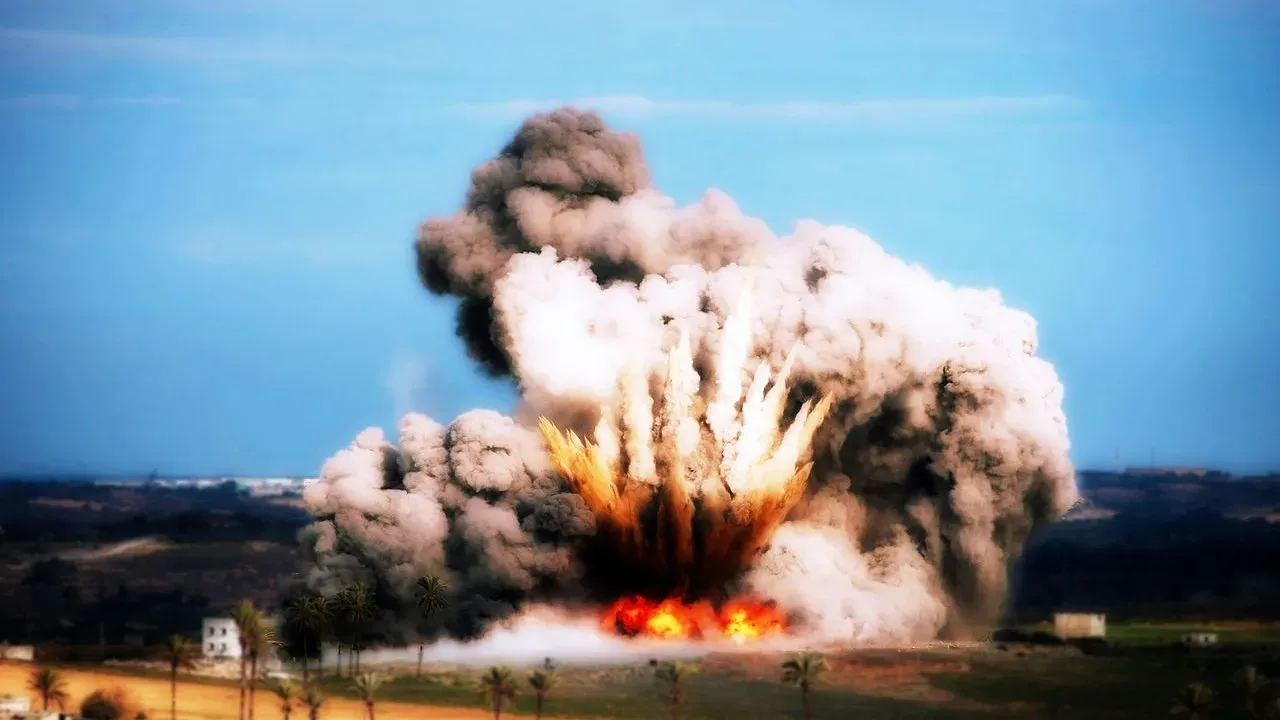

The order clears the way for the Army’s plan to destroy around 68 barrels of lead azide at the Iowa Army Ammunition Plant in Middletown, near the Iowa-Illinois border, on Wednesday. Federal officials have described the blast as the least dangerous route for a deteriorating stockpile, and they have recently outlined the safeguards meant to keep debris and dust contained. Full coverage of the plan is available at the original report ([1]).
Why Officials Say Waiting Carries More Risk
Lead azide is used to set off other munitions, which makes it central to the military’s explosives supply. The explosive becomes increasingly unstable as it deteriorates, making it vulnerable to accidental detonation from even slight friction or movement. Army officials argue that the material has changed too much to be moved safely. They say recrystallization has made it too unstable to transport, and opening the tanks for a chemical treatment would be too risky.
Weather has added urgency to the decision. The Army has warned that expected temperature drops could trigger an uncontrolled explosion. Acting Army Secretary Adam Telle has framed the choice in stark terms, and Maj. Gen. Eric Shirley made the Army’s position plain, saying “Inaction is no longer an option.”
The Safeguards Built Around the Blast
The Army has layered several protections around the detonation. Its advisory lists the following measures:
- The lead azide will be detonated inside earth-covered magazines, a reinforced structure made of concrete purpose-built to hold ammunition or explosives.
- Sand-filled barriers roughly two stories high surround the magazines, which are surrounded with Hesco barriers full of sand.
- A water wall and gel blocks are meant to contain particles from the blast (a “water wall” and gel blocks to contain particle dispersion).
- Foam barriers are designed to absorb heat and reduce airborne dust.
- Misters and specialized foams have been deployed to trap lead dust.
- Drone surveillance is tracking lead levels in the area.
Officials also used atmospheric modeling to shape the design of the detonation, according to the Army’s advisory. Soil, air, and water near the site are being extensively tested before and after the detonation so the Army can respond where lead from the blast lands.
What Residents Could Face From Lead Dust
The main concern for neighbors is not the blast itself but what follows it. The detonation is expected to produce a dust plume containing lead particles that may travel beyond the installation and settle on surrounding surfaces. State health officials say breathing in lead-containing particles or coming into contact with lead dust deposited on surrounding surfaces could pose potential health risks. No safe level of lead exposure has been identified.
Cleanup advice has drawn attention as well. Army guidance has pointed to rinsing off playground equipment, yet the lead does not go away, according to Iowa Public Radio’s reporting. Environmental groups have gone further, arguing in court filings that the dust could reach communities more than 100 miles from the plant. Anyone who believes livestock or property was damaged by the detonation can file a claim with the Army’s Office of the Staff Judge Advocate, at 415 Custer Ave., Fort Leavenworth, KS 66027-2313, or by calling (913) 684-3564.
A Schedule That Has Moved Several Times
The timeline has shifted more than once. Two rapid controlled detonations scheduled for a Friday were postponed by three days. Later, Telle moved the blast again, and the Army now says the new date will “allow for more optimal weather conditions and all mitigation measures to be emplaced.”
Legal questions have remained active throughout. The U.S. Environmental Protection Agency has issued an emergency permit authorizing the operation. Environmental advocates have pushed back, and their petition calls for an independent environmental review of the plan and possible alternatives, public release of the Army’s risk assessments and independent testing in potentially affected communities. Iowa Gov.-elect Rob Sand has also urged the federal government to share information about the situation as soon as possible.
What Comes Next
Wednesday’s detonation is the next test of a plan that officials insist is the safest available option. Whether the containment measures perform as described will likely become clear in the testing that follows, since the Army has committed to sampling soil, air, and water around the site. Residents and officials alike will be watching the results closely.
AI Disclaimer: This article was created with the assistance of AI tools and reviewed by a human editor.