
Welcome to the world of Armenian cucumbers, a delightful and unique addition to any garden or kitchen. Known for their long, slender shape and light green color, Armenian cucumbers are not your typical cucumber variety.
Originating from the Middle East, these cucumbers have been cherished for centuries for their crisp texture, mild flavor, and versatility in various culinary creations. Whether you are a seasoned gardener looking to diversify your vegetable patch or a beginner eager to explore new possibilities, this article will guide you through everything you need to know about growing, caring for, and enjoying the bountiful harvest of Armenian cucumbers.
From planting tips to pest management, we have got you covered to ensure a successful and rewarding experience with these remarkable cucumbers. So, grab your gardening tools and let’s dive into the world of Armenian cucumbers!
What is an Armenian Cucumber?
The Armenian cucumber, also known as the Yard-long cucumber or Snake melon, is a unique and interesting vegetable that is popular in Armenian and Middle Eastern cuisines. Despite its name, it is not actually a cucumber but a variety of muskmelon (Cucumis melo).
The Armenian cucumber has a long, slender shape, typically measuring between 1.5 to 3 feet in length. Its skin is thin, smooth, and light green with faint ridges running along its length. The flesh is crisp, juicy, and pale green, similar to a cucumber but with a slightly sweeter flavor. When fully ripe, the skin may turn yellow or even orange.
One of the distinguishing characteristics of the Armenian cucumber is its lack of bitterness, which makes it more enjoyable to eat raw compared to some other cucumber varieties. It is often used in salads, pickles, and as a refreshing addition to cold dishes. Its mild taste and unique texture also make it suitable for grilling, stir-frying, or adding to soups and stews.
In terms of cultivation, Armenian cucumbers thrive in warm climates and require full sun and well-drained soil. They are typically grown on trellises or stakes to support the long vines. Regular watering is important to ensure proper growth and to prevent the fruit from becoming bitter. Harvesting is usually done when the fruit reaches its full length but is still tender. Overall, the Armenian cucumber is a versatile and delicious vegetable that adds a refreshing touch to various culinary creations.
What does Armenian Cucumber taste like?
Armenian cucumbers, also known as snake melons or yard-long cucumbers, have a unique taste that sets them apart from traditional cucumbers. They have a mild, crisp, and refreshing flavor that is often described as being slightly sweeter and less bitter than regular cucumbers.
The taste of Armenian cucumbers is often described as being reminiscent of melons, with hints of sweetness and a subtle floral undertone. The flesh is tender and juicy, making it a delightful addition to salads, sandwiches, or enjoyed on its own as a refreshing snack.
One of the distinct features of Armenian cucumbers is their thin, delicate skin, which adds a subtle crunch and a slight earthy flavor to the overall taste experience. The texture is often compared to that of a cucumber, but with a slightly more firm and crunchy bite.
Overall, the taste of Armenian cucumbers is a delightful balance of sweetness and freshness, making them a popular choice among gardeners and cucumber enthusiasts.
How to start from seed
Starting Armenian cucumber plants from seeds is a fairly straightforward process. Here are the steps to get you started:
- Obtain seeds: Purchase Armenian cucumber seeds from a reputable seed supplier or consider saving seeds from a mature Armenian cucumber fruit if you have access to one.
- Prepare the soil: Armenian cucumbers prefer well-draining soil with plenty of organic matter. Amend your garden soil or use a quality potting mix if you plan to grow them in containers. Ensure the soil is loose and crumbly to promote healthy root growth.
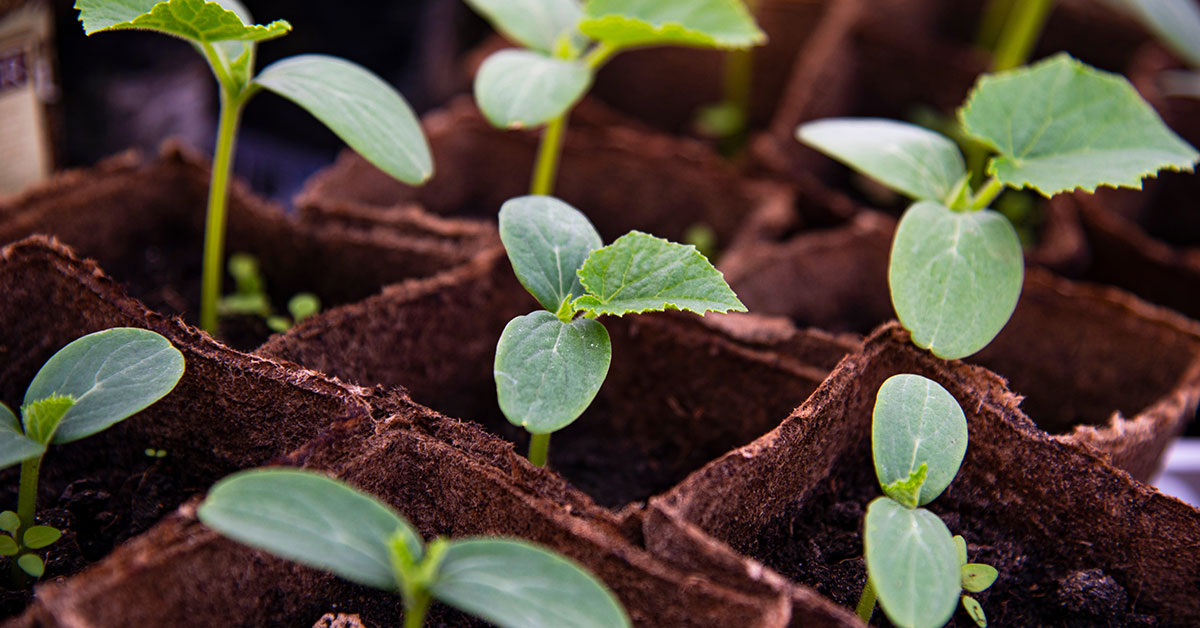
- Start seeds indoors: Start your Armenian cucumber seeds indoors about 4-6 weeks before the last expected frost in your area. Fill seed trays or small pots with moistened seed-starting mix. Plant each seed about 1/2 to 1 inch deep, and cover with soil.
- Provide proper conditions: Place the seed trays or pots in a warm location with temperatures around 70-80°F (21-27°C). Keep the soil consistently moist but not overly saturated. You can cover the trays with plastic wrap or use a humidity dome to create a greenhouse-like environment until the seeds germinate.
- Transplant seedlings: Once the seedlings have developed a couple of true leaves and the danger of frost has passed, they can be transplanted into their permanent growing location. Harden off the seedlings by gradually exposing them to outdoor conditions over a period of a few days to prevent shock.
- Choose a suitable location: Select a sunny spot in your garden with well-draining soil or prepare large containers with drainage holes if you prefer growing them in pots.
- Transplanting: Dig a hole slightly larger than the root ball of the seedling. Carefully remove the seedling from its container or tray, being cautious not to damage the delicate roots. Place the seedling in the hole, backfill with soil, and gently firm it around the base.
- Watering and care: Water the transplanted seedlings thoroughly to help settle the soil around the roots. Maintain consistent moisture throughout the growing season, keeping the soil evenly moist but not waterlogged. Mulching around the plants can help retain moisture and suppress weeds.
- Support and training: Armenian cucumber plants are vine-like and benefit from support structures like trellises or cages. As the plants grow, gently guide the vines onto the support system to encourage upward growth and maximize space utilization.
- Fertilization: Armenian cucumber plants benefit from regular feeding. Use a balanced organic fertilizer or a slow-release granular fertilizer according to the package instructions. Apply the fertilizer around the base of the plants and water it in.
- Pest and disease control: Monitor your plants regularly for any signs of pests or diseases. Common cucumber pests include aphids, cucumber beetles, and spider mites. Use organic pest control methods or consult with your local gardening center for appropriate treatments if necessary.
- Harvesting: Armenian cucumbers are typically harvested when they reach around 12-15 inches (30-38 cm) in length. The skin should be light green and smooth. Harvesting regularly promotes continuous fruiting.
By following these steps, you should be able to successfully start and grow Armenian cucumbers in your garden. Enjoy your gardening journey!
Planting and growing Armenian Cucumber
1. Choose a suitable location: Select a sunny spot in your garden that receives at least 6-8 hours of direct sunlight each day. Ensure that the soil is well-draining and fertile.
- Prepare the soil: Loosen the soil to a depth of 12-18 inches using a garden fork or tiller. Remove any weeds, rocks, or other debris from the area. Incorporate organic matter such as compost or well-rotted manure to improve soil fertility and drainage.
- Planting seeds: Sow Armenian cucumber seeds directly into the prepared soil after the danger of frost has passed. Plant the seeds about 1 inch deep and space them 12-18 inches apart. You can also start the seeds indoors 3-4 weeks before the last frost date and transplant the seedlings once all frost threats have passed.
- Watering: Keep the soil consistently moist but not waterlogged. Water the plants deeply once or twice a week, depending on the weather conditions. Avoid overhead watering to prevent the spread of diseases. Mulching around the plants can help retain moisture and suppress weed growth.
- Provide support: Armenian cucumbers are vigorous climbers, so it’s advisable to provide a trellis or support structure for them to grow on. This will help maximize space and keep the fruits off the ground, reducing the risk of pests and diseases.
- Fertilizing: Feed the plants with a balanced organic fertilizer, such as compost or well-rotted manure, when planting. Side-dress the plants with additional compost or a slow-release fertilizer every 4-6 weeks to ensure they have sufficient nutrients for healthy growth.
- Pruning and training: As the plants grow, regularly pinch off the lateral shoots to promote upward growth and prevent overcrowding. You can also prune any damaged or diseased leaves to maintain plant health.
- Pest and disease control: Watch out for common cucumber pests like aphids, cucumber beetles, and powdery mildew. Monitor your plants regularly and take appropriate measures such as applying organic insecticides or using companion planting techniques to deter pests. Proper spacing, good air circulation, and avoiding overhead watering can help prevent fungal diseases.
- Harvesting: Armenian cucumbers are best harvested when they reach a length of 12-15 inches. The skin should still be light green and tender. Use a sharp knife or pruning shears to cut the fruit from the vine, leaving a small stem attached. Harvest regularly to encourage continuous fruit production.
- Storing: Armenian cucumbers are best consumed fresh but can be stored for a short period in the refrigerator. Wrap them in a damp paper towel or place them in a plastic bag to retain moisture and keep them crisp.
By following these steps, you should be able to successfully plant and grow Armenian cucumbers in your garden. Happy gardening!
When to harvest
The best time to harvest an Armenian cucumber is when it reaches its full size, typically around 12-15 inches in length and 1-2 inches in diameter. It is important to regularly check the cucumbers for maturity because they can grow rapidly. Harvesting them at the right time ensures they are at their peak flavor and texture. Additionally, it is important to note that Armenian cucumbers are best when harvested before they turn yellow, as they can become bitter if left on the vine for too long.