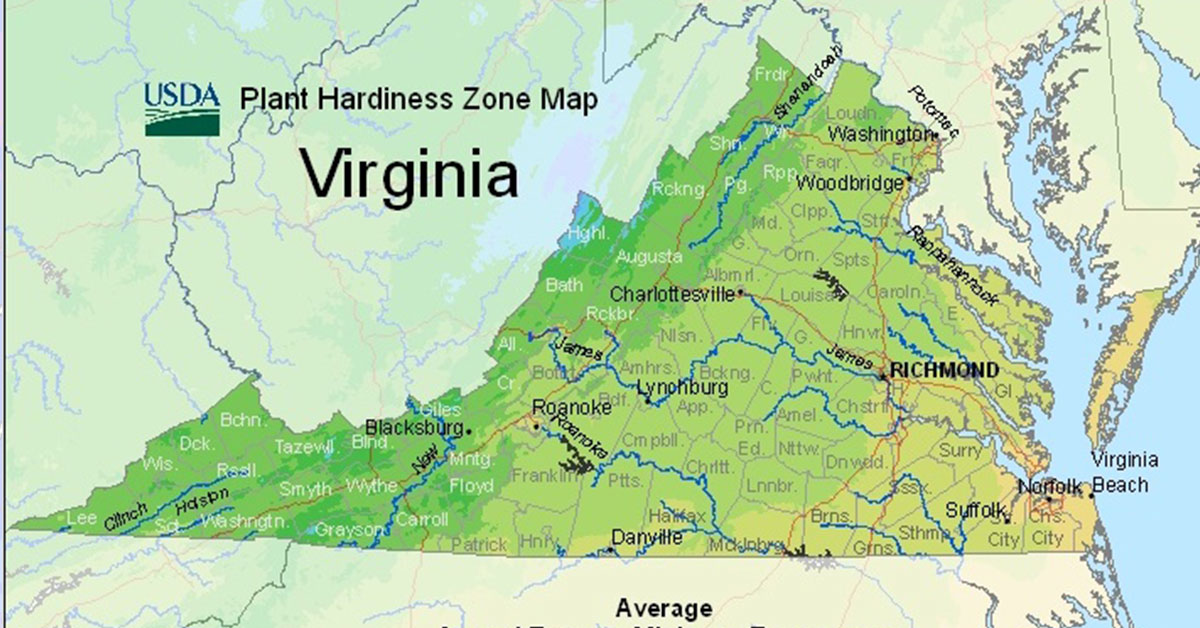

Welcome to the vibrant world of gardening in Arlington! Located in the beautiful state of Virginia, Arlington offers a unique and diverse environment for plant enthusiasts. One of the key factors that plays a crucial role in successful gardening is understanding the USDA hardiness zone. Arlington falls under USDA hardiness zone 7a, which means that gardeners here face specific challenges and opportunities when it comes to selecting and caring for plants.
In this article, we will delve into the intricacies of gardening in Arlington, exploring the best plant choices, essential gardening techniques, and tips to make your garden thrive in this particular hardiness zone. Whether you are a seasoned gardener or a beginner, this guide will equip you with the knowledge and tools necessary to create a flourishing garden in Arlington.
What is Arlington’s USDA hardiness zone?
The USDA hardiness zone is a classification system developed by the United States Department of Agriculture (USDA) to help gardeners and growers determine which plants are most likely to thrive in a specific geographic area. The zone map divides the United States into 13 different zones, each representing a 10-degree Fahrenheit difference in average annual minimum temperatures. Arlington, being located in Virginia, falls within the USDA hardiness zone 7a.
This means that the average annual minimum temperature in Arlington ranges from 0 to 5 degrees Fahrenheit (-17.8 to -15 degrees Celsius). It is important to note that this is just an average, and extreme weather events can cause temperatures to fall outside of this range. Understanding the hardiness zone is crucial for gardeners as it helps them select plants that are well-suited to the local climate conditions. Plants that are rated for zone 7a are generally able to tolerate the cold temperatures experienced in Arlington.
However, it is still important to consider other factors such as soil type, sunlight exposure, and moisture levels when choosing plants for your garden. In zone 7a, gardeners can grow a wide variety of plants, including both annuals and perennials.
Some popular choices for this zone include roses, daylilies, hostas, peonies, and many types of vegetables such as tomatoes, peppers, and beans. However, it is always recommended to consult with local nurseries or gardening experts to determine the best plants for your specific location within Arlington, as microclimates can exist within the same hardiness zone. It is also worth noting that the hardiness zone is not the only factor to consider when gardening.
Other factors such as humidity, rainfall patterns, and wind exposure can also impact plant health and success. Therefore, it is important to monitor local weather conditions and adjust your gardening practices accordingly.
By understanding the USDA hardiness zone in Arlington, gardeners can make informed decisions about the types of plants that are most likely to thrive in their gardens, leading to more successful and enjoyable gardening experiences.
When can you plant your garden in Arlington?
In Arlington, the ideal planting times for various plants depend on the USDA hardiness zone, which is Zone 7a. This zone indicates the average minimum winter temperature range of 0 to 5 degrees Fahrenheit (-17.8 to -15 degrees Celsius). Here are the ideal planting times for different types of plants in Arlington:
- Spring-flowering bulbs: Plant bulbs like tulips, daffodils, and hyacinths in the fall, around September to October, before the ground freezes. This allows them to establish roots before the winter and bloom in the spring.
- Cool-season vegetables: Vegetables that thrive in cooler temperatures, such as lettuce, spinach, kale, and peas, can be planted in early spring, around March to April. These crops can tolerate light frosts and will mature before the summer heat.
- Warm-season vegetables: Plants like tomatoes, peppers, cucumbers, and beans require warmer soil and air temperatures. They should be planted after the last frost date, which typically occurs in mid-April to early May in Arlington.
- Perennials: Perennial flowers, such as daylilies, coneflowers, and hostas, can be planted in the spring or fall. Spring planting allows them to establish roots before the summer heat, while fall planting gives them time to settle in before winter.
- Annual flowers: Annuals like petunias, marigolds, and zinnias can be planted after the last frost date, similar to warm-season vegetables. This ensures they won’t be damaged by late spring frosts.
- Trees and shrubs: Spring and fall are generally the best times to plant trees and shrubs in Arlington. Planting in spring allows them to establish roots before the summer, while fall planting takes advantage of cooler temperatures and ample rainfall.
It’s important to note that these are general guidelines, and specific plant varieties may have slightly different planting requirements. Always refer to the specific recommendations provided by seed packets, plant labels, or local gardening resources for the best results.
What grows well in Arlington?
Arlington, Virginia falls under USDA hardiness zone 7a. This means that the average minimum winter temperature in this region ranges from 0 to 5 degrees Fahrenheit (-17.8 to -15 degrees Celsius). Here is a comprehensive list of plants that generally thrive in Arlington’s climate:
Trees:
- Red Maple (Acer rubrum)
- Sugar Maple (Acer saccharum)
- American Holly (Ilex opaca)
- Eastern Redbud (Cercis canadensis)
- White Dogwood (Cornus florida)
- American Beech (Fagus grandifolia)
- Eastern White Pine (Pinus strobus)
- American Sycamore (Platanus occidentalis)
- Black Gum (Nyssa sylvatica)
- Eastern Hemlock (Tsuga canadensis)
Shrubs:
- Rhododendron (Rhododendron spp.)
- Azalea (Rhododendron spp.)
- Boxwood (Buxus spp.)
- Virginia Sweetspire (Itea virginica)
- Summersweet (Clethra alnifolia)
- Inkberry Holly (Ilex glabra)
- Winterberry (Ilex verticillata)
- Fothergilla (Fothergilla spp.)
- Witch Hazel (Hamamelis spp.)
- Viburnum (Viburnum spp.)
Perennials:
- Black-eyed Susan (Rudbeckia spp.)
- Coneflower (Echinacea spp.)
- Daylily (Hemerocallis spp.)
- Hosta (Hosta spp.)
- Astilbe (Astilbe spp.)
- Coral Bells (Heuchera spp.)
- Bee Balm (Monarda spp.)
- Phlox (Phlox spp.)
- Salvia (Salvia spp.)
- Sedum (Sedum spp.)
Annuals:
- Petunia (Petunia spp.)
- Marigold (Tagetes spp.)
- Zinnia (Zinnia spp.)
- Impatiens (Impatiens spp.)
- Geranium (Pelargonium spp.)
- Begonia (Begonia spp.)
- Lobelia (Lobelia spp.)
- Snapdragons (Antirrhinum spp.)
- Coleus (Plectranthus scutellarioides)
- Cosmos (Cosmos spp.)
Vegetables and Herbs:
- Tomatoes (Solanum lycopersicum)
- Peppers (Capsicum spp.)
- Beans (Phaseolus spp.)
- Lettuce (Lactuca sativa)
- Cucumbers (Cucumis sativus)
- Basil (Ocimum basilicum)
- Rosemary (Rosmarinus officinalis)
- Thyme (Thymus spp.)
- Parsley (Petroselinum crispum)
- Chives (Allium schoenoprasum)
Remember to consider factors such as soil conditions, sunlight exposure, and water requirements when selecting plants for your specific garden.
What won’t grow in Arlington?
In Arlington, which falls under USDA hardiness zone 7a, there are certain plants that may not thrive due to the climate conditions. Here are some examples:
- Tropical plants: Plants that require a tropical climate and cannot tolerate cold temperatures, such as hibiscus, bougainvillea, and banana plants, may struggle to survive in Arlington’s colder winters.
- Subtropical plants: Similarly, plants that prefer a subtropical climate, like citrus trees (lemon, lime, orange), may struggle to thrive in Arlington due to the colder temperatures.
- Mediterranean plants: Some plants native to Mediterranean regions, such as lavender, rosemary, and olive trees, may have difficulty adapting to Arlington’s colder winters and higher humidity levels.
- Desert plants: Plants that are adapted to arid desert environments, like cacti and succulents, may not thrive in Arlington’s more humid and temperate climate.
- Cold-sensitive perennials: Certain perennials that are not well-suited to colder temperatures, such as impatiens, begonias, and certain varieties of geraniums, may struggle to survive in Arlington’s winters.
It’s important to note that while these plants may not thrive in Arlington, there are still many other plant options that are well-suited to the area’s climate and can thrive in zone 7a.